
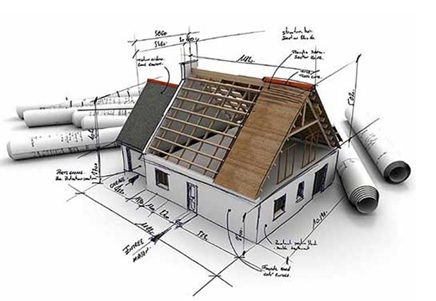
If you’re planning a home project, you’ve probably come across two common terms: construction and remodeling. People often use them interchangeably, but they actually mean different things.
Knowing the difference can help you plan better, avoid unexpected costs, and choose the right approach for your property. Some projects need a full build from the ground up, while others only need changes to what’s already there.
So before you start calling contractors who provide construction and renovation services or setting a budget, it helps to understand how construction and remodeling really work.
What Is Construction?
Construction usually means building something completely new. It starts from scratch, often on an empty lot or land where an old structure has been removed.
This type of project involves everything needed to create a building from the ground up. That includes preparing the land, pouring the foundation, framing the structure, installing systems like plumbing and electrical, and finishing the interior and exterior.
Because you’re starting fresh, construction gives you a lot of freedom when it comes to design.
Key Features of Construction
One of the biggest advantages of construction is that you’re not working around an existing structure. You get a clean slate.
Here are a few things that usually define a construction project:
- Building on empty land or cleared property
- Creating an entirely new structure
- Designing the layout from the beginning
- Installing modern building systems and materials
- Following local zoning and building codes
Since everything is new, homeowners often use construction projects to create a custom home or building that fits their exact needs.
Advantages of Construction
Starting from scratch has some clear benefits.
First, you get full control over the layout. You can design the number of rooms, the kitchen size, ceiling height, storage spaces, and more. You’re not limited by existing walls or structures.
Another advantage is modern efficiency. New buildings usually include updated insulation, wiring, plumbing, and energy-efficient systems. That can help lower maintenance costs later.
Construction can also increase long-term property value, especially if the building uses modern materials and smart design.
Challenges of Construction
Of course, construction projects also come with challenges.
For one thing, they tend to cost more. You’re paying for materials, labor, land preparation, permits, and sometimes architectural plans.
The timeline can also be longer. Building something from the ground up takes time. Weather, inspections, and permit approvals can slow things down.
Planning is another factor. Construction projects usually involve more coordination between architects, engineers, contractors, and local authorities.
What Is Remodeling?
Remodeling is a bit different. Instead of building something new, you’re changing or improving an existing structure.
This could mean updating a kitchen, redesigning a bathroom, removing walls to open up space, or upgrading outdated features.
Remodeling projects can be small or large. Some homeowners just want cosmetic updates, while others want to completely change the layout of their home.
Key Features of Remodeling
Remodeling focuses on improving what’s already there.
Common remodeling projects include:
- Updating kitchens or bathrooms
- Replacing flooring or cabinets
- Changing room layouts
- Expanding living spaces
- Improving lighting and storage
Because the structure already exists, the work usually focuses on interior upgrades or design changes.
Advantages of Remodeling
One of the biggest benefits of remodeling is cost. In many cases, remodeling is less expensive than building a new structure. You’re not starting from scratch, so there’s no need for foundation work or major land preparation.
Remodeling projects are also usually faster. Since the basic structure already exists, contractors can focus on upgrades instead of building everything from the beginning.
Another advantage is preserving the character of a home. Older houses often have unique architectural details that people want to keep.
Challenges of Remodeling
That said, remodeling isn’t always simple.
Older buildings can hide problems like outdated wiring, water damage, or structural issues. Sometimes these problems don’t appear until construction begins.
Another challenge is structural limitations. Since you’re working with an existing building, you can’t always move walls or expand rooms the way you want.
Permits may also be required, especially if the remodel includes structural changes.
Key Differences Between Construction and Remodeling
While both processes improve a property, the approach is very different.
Structural Approach
Construction creates a brand-new structure. Everything starts from the foundation. Remodeling changes or improves an existing building.
Scope of Work
Construction includes the entire building process. This means site preparation, foundation work, framing, roofing, and interior finishing.
Remodeling focuses on specific areas of a property, like kitchens, bathrooms, or living spaces.
Costs
Construction projects usually have higher upfront costs because they involve more materials and labor. Remodeling can be more affordable, though costs may rise if hidden issues appear.
Timeline
Building from scratch takes longer because every part of the structure needs to be completed. Remodeling projects are often quicker, depending on the size of the update.
Design Flexibility
Construction gives you total control over the design. Remodeling has some limits because you’re working with the existing structure.
When Should You Choose Construction?
Construction is often the better choice in certain situations.
For example, if an existing building is severely damaged or outdated, rebuilding may make more sense than trying to fix everything.
Construction is also ideal if you want full customization. When you’re designing a new home or building, you can decide exactly how the space should look and function.
Another situation is when you need significantly more space. Expanding a small home sometimes becomes more complicated than starting fresh. Construction also works well when building on vacant land.
Long-Term Benefits
New buildings usually come with modern systems and materials, which can reduce maintenance problems over time.
Energy efficiency is another benefit. Many new homes include better insulation, energy-saving appliances, and updated heating or cooling systems.
All of these things can increase property value over the long term.
When Should You Choose Remodeling?
Remodeling is often the better option when the structure of the home is still solid, but the design feels outdated. For example, a kitchen remodel can completely change the look and function of a home without requiring a full rebuild.
Homeowners also choose remodeling when they want to keep the character of an older property. Historic homes often have details that would be hard to recreate in new construction.
Remodeling can also be the right choice when budget or time is limited.
Common Remodeling Projects
Some of the most popular remodeling projects include:
- Kitchen upgrades
- Bathroom renovations
- Opening up living spaces
- Replacing flooring or cabinets
- Improving energy efficiency
These upgrades can make a home feel modern and comfortable without changing the entire structure.
Key Factors to Consider Before Choosing
Before deciding between construction and remodeling, it helps to think about a few important factors.
Budget
Your budget plays a major role in the decision. Construction typically costs more upfront, while remodeling may offer a more affordable solution.
Timeline
If you need the project finished quickly, remodeling may be the better option. Construction usually takes longer to complete.
Project Goals
Think about what you want to achieve. If the goal is a completely custom space, construction might be the best path. If the goal is updating or improving a home, remodeling may work well.
Local Regulations
Building codes and zoning laws can also affect your decision. Some areas have strict rules about construction, expansions, or structural changes.
Checking these regulations early can prevent delays later.
Conclusion
Both construction and remodeling can improve a property, but they serve different purposes. Construction creates a completely new building from the ground up. Remodeling focuses on improving an existing structure.
The best choice depends on your goals, budget, timeline, and the condition of the property. If you’re unsure which option is right, talking with experienced professionals can help you understand what’s possible and what makes the most sense for your project.






