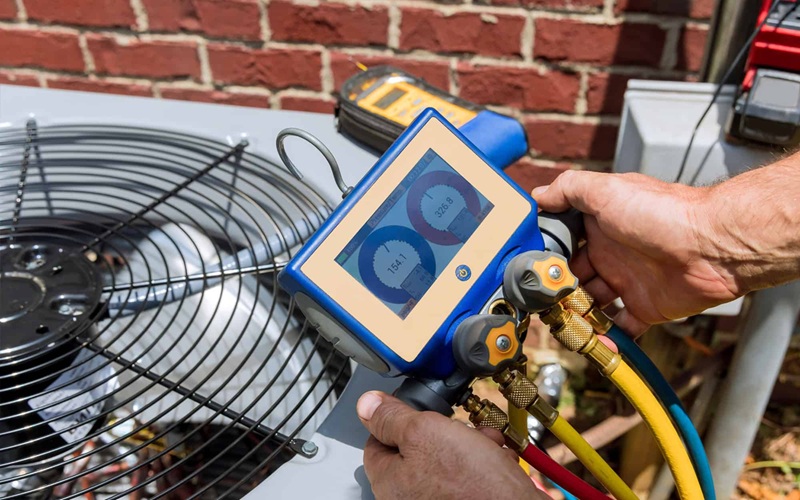
Renovating a home often feels like a chance to reinvent a space, adding fresh paint, modern fixtures, and updated finishes that instantly transform how a house looks and feels. It is easy to get swept up in the excitement of visible change, choosing countertops, cabinet colors, and flooring while pushing less glamorous decisions to the back burner. But behind nearly every beautifully renovated home lies a quieter, more expensive question that too many homeowners and investors overlook. What is actually happening with the HVAC and plumbing systems hiding behind those freshly painted walls? Ignoring that question does not make the underlying systems disappear. It simply delays the moment when someone finally has to deal with them.
This blind spot tends to grow especially large during renovations focused purely on resale value. When the goal is simply to make a home look appealing enough to sell quickly, it becomes tempting to invest almost entirely in what buyers will see during a quick walkthrough, while assuming systems hidden behind the walls can wait for the next owner to worry about. That short term thinking often creates a much bigger problem down the road, one that eventually lands on someone’s desk, whether that is the seller, the buyer, or an inspector caught in the middle.
This oversight is more common than most people realize, and it often comes from a completely understandable place. HVAC and plumbing work is expensive, disruptive, and largely invisible once it is finished, unlike a new kitchen that photographs beautifully and impresses guests immediately. Faced with a limited renovation budget, it is tempting to prioritize the improvements everyone will notice and quietly hope that aging pipes or an outdated furnace will hold on just a little longer. Unfortunately, that gamble often backfires in ways that end up costing far more than addressing the problem upfront ever would have.
This temptation only grows stronger under time pressure, particularly for sellers eager to list a property quickly or investors trying to maximize profit on a tight timeline. Under those conditions, a working furnace or functional plumbing system, even one clearly nearing the end of its lifespan, often gets classified as good enough rather than a priority worth addressing. That decision may save time and money in the short term, but it rarely holds up once a careful inspector or a discerning buyer starts asking harder questions.
This pattern shows up across very different corners of the real estate and construction world, from real estate investors who purchase homes at scale to property buyers evaluating hundreds of renovations to heating professionals who see the consequences firsthand. Each of these professionals has watched the same story play out repeatedly. A home gets a stunning surface level renovation, only for a hidden HVAC or plumbing issue to surface later, whether during a home inspection, a failed sale, or an unexpected repair bill that catches everyone off guard. The pattern is consistent enough that experienced professionals can often predict exactly where problems are hiding before they even step inside.
What makes this oversight particularly costly is how it compounds over time. A small plumbing leak ignored during a cosmetic renovation can quietly cause water damage that spreads for months before anyone notices. An aging HVAC system left untouched behind new drywall may continue draining energy efficiency and driving up utility bills long after the renovation is complete. By the time these hidden problems become visible, they are almost always more expensive to fix than they would have been if addressed during the original renovation, turning what seemed like a smart budget decision into a costly mistake.
Skipping Major Systems Rarely Saves Money in the Long Run
Real estate professionals who evaluate large numbers of properties consistently notice the same pattern, homes with beautiful cosmetic updates hiding outdated or failing HVAC and plumbing systems underneath. This gap between surface appearance and actual system condition often becomes obvious the moment a serious inspection takes place, frequently at the worst possible time for a seller.
This pattern repeats often enough that experienced investors can usually predict where problems are hiding before an inspector ever sets foot inside. That kind of pattern recognition only comes from seeing the same story play out again and again across dozens or even hundreds of properties.
Cody Dover, Co-Founder of Little Rock Property Buyers, has evaluated hundreds of properties across Central Arkansas and has seen firsthand how skipping major system upgrades during a renovation almost always catches up with sellers eventually.
“We have purchased homes where sellers spent thousands on a gorgeous remodel while ignoring a 25 year old furnace hidden in the basement. That decision usually costs them at closing, since buyers and inspectors always find what was skipped eventually. One property lost real value during negotiations once our inspection uncovered outdated plumbing behind freshly painted walls. Skipping HVAC and plumbing during a renovation almost always costs more later than fixing it would have upfront.”
This same pattern shows up consistently in markets across the country, where investors purchasing homes in any condition regularly encounter the same costly oversight. Lane Forhetz, Founder of Fast Lane Real Estate, has purchased hundreds of homes across the St. Louis area since 2012 and has developed a sharp eye for spotting renovations that skipped critical system upgrades.
“I have walked through countless renovated homes where the kitchen looked stunning but the plumbing behind the walls was original from decades ago. Sellers often assume buyers will not notice, but inspectors always catch outdated systems eventually. One seller lost a strong offer entirely once inspection revealed failing plumbing hidden behind a brand new backsplash. Ignoring HVAC and plumbing during a renovation is one of the most expensive shortcuts a seller can take.”
What Contractors See Behind the Walls Tells the Real Story
Beyond real estate transactions, the professionals who actually work on heating and plumbing systems have perhaps the clearest view of just how often these critical systems get overlooked during renovations. What looks like a finished, modern home on the surface often hides serious problems that only become visible once a professional opens up the walls.
Lara Woodham, Owner of Rowlen Boiler Services, has spent years installing and repairing heating systems across London and Surrey, giving her a firsthand look at how often boilers and plumbing get ignored during otherwise thorough home renovations.
“I regularly get called into beautifully renovated homes where the boiler was quietly left untouched during the entire remodel. Homeowners often do not realize an old, inefficient system is costing them hundreds of pounds a year in wasted energy. We recently found dangerous corrosion in a system hidden behind a freshly renovated kitchen wall. Skipping heating and plumbing during a renovation does not save money, it simply delays a much bigger bill.”
This pattern shows up across every market and industry mentioned in this article, from real estate investing in Arkansas to home buying in Missouri to heating engineering in the UK. In each case, the professionals working closest to these homes reach the same conclusion. Cosmetic renovations that ignore major systems are not actually saving money. They are simply postponing a much larger expense, one that tends to arrive at the worst possible moment for the homeowner involved.
The Lesson Every Homeowner Should Take Away
These three perspectives, spanning real estate investing in Arkansas, home buying in Missouri, and heating engineering in the UK, all point toward the same conclusion. Ignoring HVAC and plumbing systems during a renovation might feel like a reasonable way to stretch a limited budget, but it consistently proves to be one of the most expensive mistakes a homeowner can make. These hidden systems eventually reveal themselves, whether through a failed inspection, a lost sale, or a costly repair bill that could have been avoided entirely.
For homeowners planning their next renovation, the takeaway is clear. Before choosing paint colors or new countertops, take a serious look at the condition of the HVAC and plumbing systems working quietly behind the walls. These upgrades may not photograph as beautifully as a new kitchen, but they consistently prove to be the difference between a renovation that truly adds value and one that simply delays an expensive problem for someone else to discover later.
Ultimately, a renovation should be judged not just by how a home looks the day it goes back on the market, but by how well it holds up months and years after the last coat of paint has dried. Homes built on solid, well maintained systems tend to hold their value far better than homes dressed up purely for a quick sale. Investing in what buyers cannot see may not offer the same instant satisfaction as a kitchen remodel, but it consistently proves to be the smarter, more responsible choice in the long run.