
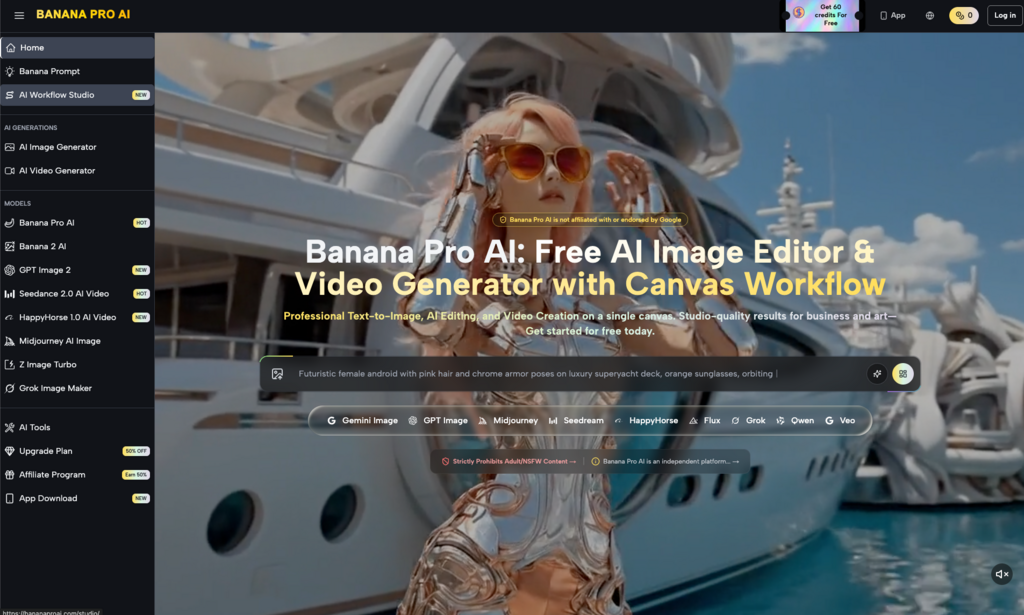
In a recent campaign for a mid-market lifestyle brand, an agency production team faced a common generative bottleneck. They had successfully generated a “brand hero” character using a high-fidelity model—a specific persona with a distinct jawline, a salt-and-pepper beard, and a particular linen shirt. However, as the campaign moved from static social assets into 15-second video spots and localized banners, the hero began to “drift.” In one generation, the beard was fuller; in another, the linen texture was replaced by flat cotton; in the video, his facial structure morphed slightly during a head turn.
This phenomenon, known as identity drift, is the primary friction point for agencies moving away from traditional photography toward AI-driven pipelines. When the subject is no longer consistent, the brand story breaks. For creative operations leads, the solution isn’t found in a single “magic” prompt, but in a disciplined multi-tool workflow that prioritizes subject stability over the “lucky roll” of a single generation. By integrating Banana AI models with focused post-generation refinement, teams can move from the uncertainty of a digital slot machine to a repeatable production asset pipeline.
The High Cost of Identity Drift in Agency Deliverables
For an agency, the cost of AI is often measured not in subscription fees, but in the hours spent “re-rolling.” Standard text-to-image prompts are notoriously fickle. While they can produce stunning singular images, they lack a persistent memory of the subject across different camera angles or lighting conditions. If a campaign requires twelve distinct assets featuring the same character, and the character looks 5% different in each, the human brain rejects the set as a cohesive campaign.
Identity drift breaks brand trust. If a client’s product or persona is the centerpiece of the visual narrative, any deviation feels like a mistake rather than a creative choice. Beyond the aesthetic failure, there is an economic reality: if a designer spends three hours trying to prompt a character back into its original look, the efficiency gains of using AI are effectively neutralized. Professional workflows require a transition from prompt-dependency to a subject-locking strategy that treats the initial generation as a reference point, not a final destination.
Orchestrating the Core Stack: Model Selection for Stability
Maintaining character and scene identity requires choosing the right engine for the specific task. Within the Banana AI ecosystem, different models offer varying levels of anatomical adherence and stylistic persistence. For instance, GPT Image 2 often excels at following complex, multi-layered prompts that define specific clothing or environmental details. In contrast, Gemini 3 Pro Image is frequently favored for its composition and lighting realism, which can be critical when trying to match a specific “mood” across multiple scenes.
A tactical approach involves using Nano Banana as a baseline for maintaining specific subject traits. When an agency identifies a subject that works, they don’t just move on to the next prompt; they anchor the generation. This often means extracting the “DNA” of that initial successful image—lighting, color palette, and character proportions—and carrying those parameters into subsequent generations.
However, a moment of limitation must be acknowledged here: model-native “character locks” are rarely 100% foolproof. Even with sophisticated seed management and reference images, the underlying architecture of generative models is probabilistic. There is always a margin of error where the AI will interpret “same person, different angle” with unintended variations. Relying solely on the generation engine to maintain 1:1 identity is a high-risk strategy for high-stakes client work.
From Still to Motion: Preserving Scene Integrity in Video
The challenge of identity drift intensifies when moving from static images to video. In video generation, the problem isn’t just subject drift, but temporal consistency—ensuring that the character doesn’t change shape or style from frame one to frame sixty.
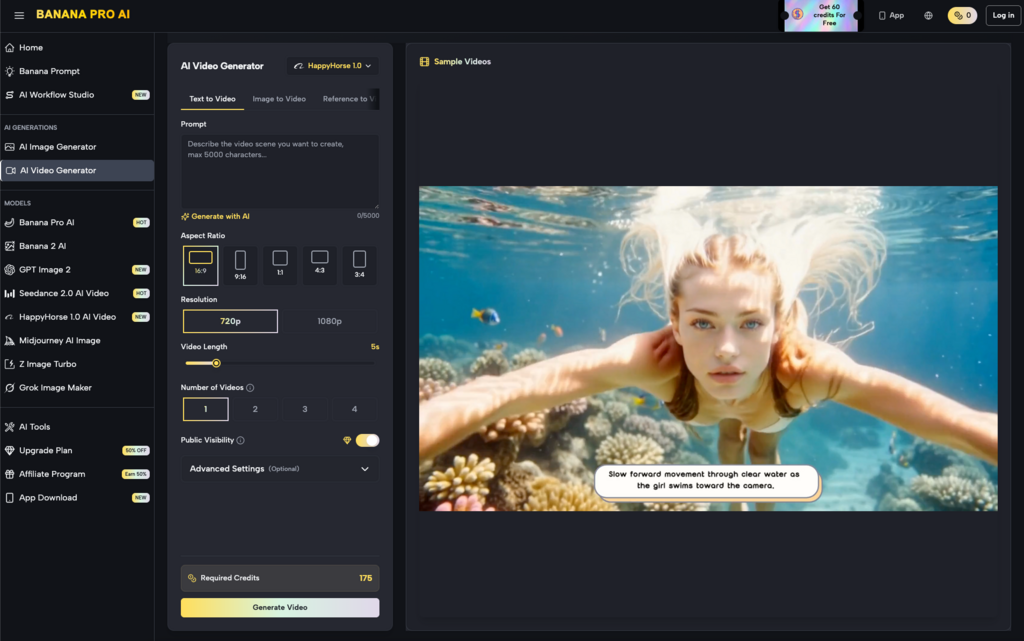
When leveraging tools like Seedance 2.0 or Gemini Omni for video, the most effective workflow begins with a high-fidelity static image. Rather than prompting a video from scratch (text-to-video), production-savvy teams use image-to-video workflows. This pins the character’s starting state. Despite this, “morphism” remains a common failure point. High-fidelity subjects can sometimes lose their structural integrity during complex movements, leading to a “melting” effect where the face or background warps.
Practical judgment is essential in these moments. Recognizing when a video generation has diverged too far to be salvaged is a core skill for AI operators. If the facial structure drifts more than a few percentage points, it is often faster to restart the generation with a stronger image reference or more restrictive motion parameters than to attempt to “fix it in post” using traditional VFX.
Precision Control with the AI Photo Editor
The most significant shift in professional AI workflows is the move from “generating” to “composing.” Once a model like Gemini 3.1 Flash or GPT Image 2 gets an image 90% of the way there, the smart move is to stop prompting and start editing. This is where the AI Photo Editor becomes the most critical tool in the stack.
Instead of re-rolling an entire image because the character’s eye color shifted or a shirt button is missing, the AI Photo Editor allows for localized corrections. Using in-painting or specific region editing, an operator can fix character-breaking artifacts while keeping the rest of the high-quality generation intact. This is significantly more efficient than restarting the prompt chain and hoping the AI “gets it right this time.”
By treating the outputs from an AI Image Editor as raw material rather than finished assets, agencies can enforce the strict brand standards that clients expect. If the brand’s hero character must wear a specific shade of blue, and the AI keeps generating a navy hue, a manual override via localized editing is the only way to ensure 100% compliance. This hybrid approach—generative broad strokes followed by surgical editing—is the current gold standard for subject stability.
Boundaries of the Possible: What AI Cannot Guarantee
While the tools are rapidly advancing, there are still areas of uncertainty that any professional team should factor into their timelines. Maintaining 100% pixel-perfect consistency in complex action shots or during extreme lighting changes remains incredibly difficult. If a character needs to move from a bright outdoor sunlit environment into a dark, neon-lit interior, the AI may struggle to keep the facial features identical under the shifting shadows.
Furthermore, micro-branding and specific typography are still best handled through traditional graphic design layering. Expecting an AI model to perfectly render a client’s logo on a character’s moving t-shirt across five different video clips is setting a project up for failure. The most successful teams use AI for the “heavy lifting” of the scene and subject but rely on traditional compositing for the final 5% of brand-critical detail.
There is also the ongoing uncertainty of cross-model training. A character created in a Midjourney-based environment may never look exactly the same if moved into a Grok Image Maker or Gemini-based pipeline. For agencies, this means picking a model stack at the start of a campaign and sticking to it. Jumping between different underlying architectures is the fastest way to invite identity drift and technical frustration.
Ultimately, solving the identity drift problem is about managing expectations and utilizing the right tool for the right stage of the pipeline. By combining the generative power of Banana AI with the precision of a dedicated editor, teams can produce professional-grade visuals that remain stable, recognizable, and on-brand from the first frame to the last.






