
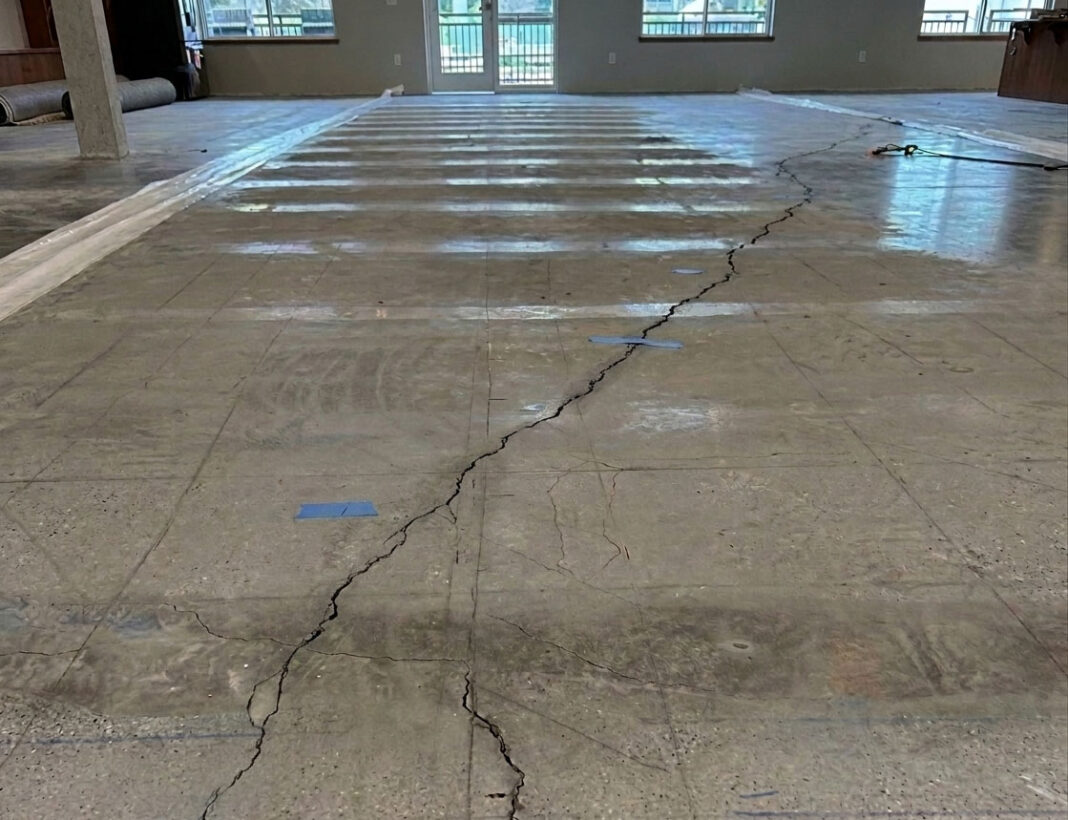
What is Load-Induced Cracking in Reinforced Concrete Structures?
Load-induced cracking in reinforced concrete (RCC) structures refers to cracks that develop when the applied structural loads exceed the tensile capacity of concrete or when stresses caused by loading actions lead to localized failure within the material. Unlike early-age or shrinkage cracks, load-induced cracks occur during the service life of a structure due to dead loads, live loads, dynamic loads, seismic actions, or unexpected overload conditions.
Concrete is strong in compression but weak in tension. Reinforcement steel is provided to resist tensile forces. However, when the load exceeds the combined capacity of concrete and steel, or when stress distribution is improper, cracking occurs.
Load-induced cracks are a critical indicator of structural distress and must be carefully assessed, as they may directly affect safety, durability, and serviceability.
Causes of Load-Induced Cracking
Load-induced cracking is the result of structural, material, and environmental interactions. The primary causes include:
1. Excessive Structural Loading
One of the most common causes is applying loads beyond the designed capacity of the structure. This may include:
- Overloading of floors in buildings
- Increased vehicular loads on bridges
- Storage beyond design limits in industrial structures
2. Inadequate Structural Design
Poor design assumptions can lead to insufficient reinforcement or improper load distribution. Common design issues include:
- Underestimation of live loads
- Improper safety factors
- Inaccurate load path analysis
3. Poor Detailing of Reinforcement
Improper detailing reduces structural efficiency:
- Insufficient steel reinforcement
- Improper anchorage lengths
- Incorrect bar spacing
- Lack of shear reinforcement
4. Material Degradation
Over time, deterioration of materials reduces load-bearing capacity:
- Corrosion of reinforcement steel
- Concrete carbonation
- Chloride attack
- Reduction in bond strength
5. Structural Modifications
Unauthorized alterations can significantly increase loading:
- Removal of walls or supports
- Addition of extra floors or equipment
- Change in building usage (residential to commercial)
6. Dynamic and Impact Loads
Structures subjected to sudden or repeated loads may develop cracks:
- Earthquake forces
- Wind loads on tall structures
- Machinery vibrations
- Impact loads in industrial zones
7. Foundation Movement
Uneven settlement or soil instability introduces additional stresses:
- Differential settlement
- Soil erosion
- Poor compaction of subgrade
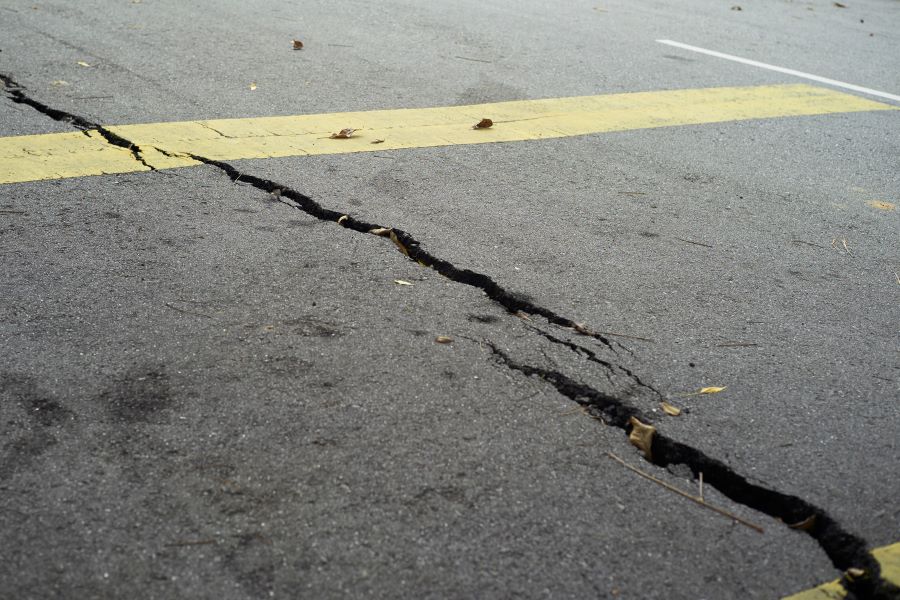
Types of Load-Induced Cracks
Load-induced cracking can appear in different forms depending on structural behavior and loading conditions.
1. Flexural Cracks
These cracks occur in beams and slabs due to bending stresses. They usually start at the tension face and propagate upward.
2. Shear Cracks
Shear cracks form at an angle (typically 30°–45°) due to diagonal tension. They are common near supports in beams.
3. Torsional Cracks
These occur when structural members are subjected to twisting forces, leading to spiral or diagonal cracking patterns.
4. Compression Failure Cracks
These cracks appear when concrete in compression zones is overstressed, often resulting in crushing or spalling.
5. Fatigue Cracks
Repeated cyclic loading, such as traffic loads on bridges, leads to progressive crack development over time.
6. Settlement-Induced Load Cracks
Differential settlement of foundations can create secondary stresses leading to cracking in superstructures.
Mechanism of Load-Induced Cracking
The mechanism of load-induced cracking is based on stress-strain behavior in reinforced concrete.
When a load is applied:
- Concrete initially resists compressive forces effectively.
- Tensile stresses develop in regions subjected to bending or shear.
- Steel reinforcement begins to take tensile load.
- If stress exceeds tensile strength of concrete, micro-cracks form.
- These micro-cracks propagate under continued loading.
- Eventually, visible cracks appear on the surface.
Once cracking begins, stiffness of the structure reduces, leading to redistribution of stresses. This may cause additional cracking in adjacent zones.
Effects of Load-Induced Cracking on Structures
Load-induced cracks are not only cosmetic but can have serious structural consequences.
1. Reduced Load-Carrying Capacity
Cracks reduce the effective cross-sectional area of structural members, lowering their ability to carry loads safely.
2. Increased Deflection
Cracked sections become less stiff, resulting in excessive bending and deflection.
3. Corrosion of Reinforcement
Cracks allow moisture, oxygen, and chlorides to penetrate concrete, accelerating steel corrosion.
4. Loss of Structural Integrity
Severe cracking may lead to partial or complete structural failure if not addressed.
5. Serviceability Issues
Excessive cracking affects usability due to vibrations, sagging, and uneven surfaces.
6. Durability Reduction
Cracks accelerate deterioration due to environmental exposure, reducing service life.
7. Aesthetic Damage
Visible cracks affect architectural appearance and reduce property value.
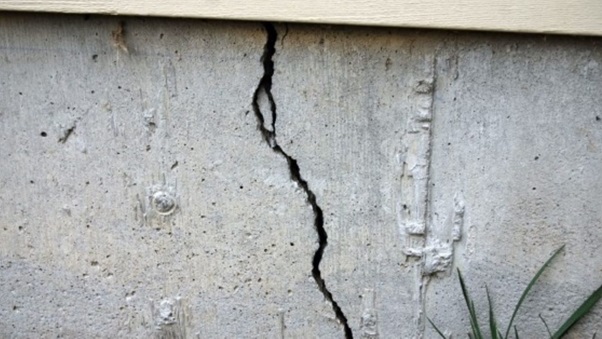
Identification and Diagnosis of Load-Induced Cracks
Proper diagnosis is essential for selecting repair methods.
Visual Inspection
- Crack width measurement
- Crack pattern analysis
- Location-based identification (beam, slab, column)
Structural Assessment
- Load testing
- Deflection monitoring
- Non-destructive testing (NDT)
Advanced Techniques
- Ultrasonic pulse velocity (UPV)
- Rebound hammer test
- Strain measurement sensors
Prevention Techniques for Load-Induced Cracking
Preventing load-induced cracking requires proper design, execution, and maintenance.
1. Proper Structural Design
- Accurate load estimation
- Adequate safety factors
- Use of modern design codes (IS 456, Eurocode, ACI)
2. Adequate Reinforcement Design
- Proper steel percentage
- Correct spacing and detailing
- Use of shear reinforcement in beams
- Proper anchorage and lap lengths
3. Load Management
- Avoid overloading structures
- Clearly define permissible loads
- Control usage of industrial floors and warehouses
4. High-Quality Materials
- Use high-grade concrete
- Corrosion-resistant reinforcement (epoxy-coated or galvanized steel)
- Proper water-cement ratio control
5. Foundation Stability
- Proper soil investigation
- Uniform foundation design
- Prevention of differential settlement
6. Control of Structural Modifications
- Engineering approval before modifications
- Avoid removal of load-bearing elements
- Reinforce structure before expansion
7. Regular Inspection and Maintenance
- Routine structural audits
- Crack monitoring systems
- Early detection of stress zones
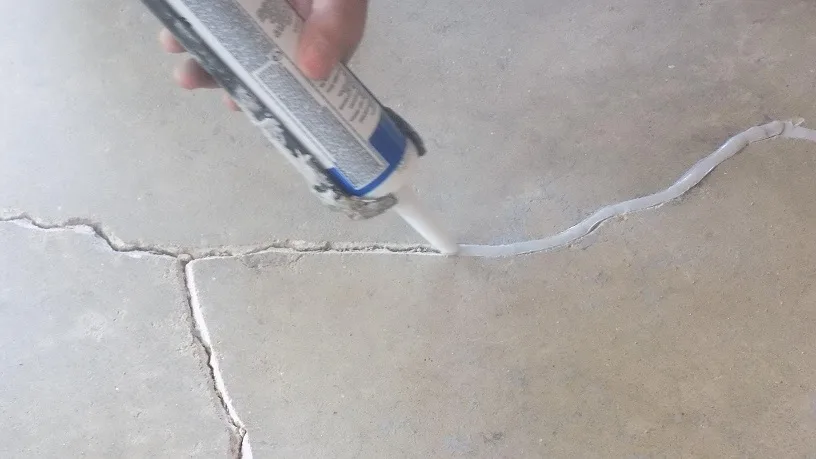
Repair Techniques for Load-Induced Cracks
Once cracks appear, timely repair is necessary to restore structural performance.
1. Epoxy Injection
Used for structural cracks to restore strength and bonding.
2. Carbon Fiber Reinforcement (CFRP)
External strengthening using fiber sheets improves load capacity.
3. Steel Jacketing
Provides additional confinement and load resistance for columns.
4. Grouting
Fills voids and restores continuity in cracked sections.
5. Shotcrete Application
Used for surface strengthening and rehabilitation.
6. Crack Stitching
Mechanical reinforcement using steel staples across cracks.
Difference Between Load-Induced and Non-Structural Cracks
| Feature | Load-Induced Cracks | Non-Structural Cracks |
| Cause | Excess load or stress | Shrinkage, temperature |
| Depth | Deep, structural | Surface-level |
| Pattern | Predictable (flexural/shear) | Random |
| Risk | High | Low to moderate |
| Repair | Structural strengthening | Surface repair |
Conclusion
Load-induced cracking in reinforced concrete structures is a serious structural issue that reflects stress conditions beyond the safe limits of the material. Unlike minor surface cracks, these cracks indicate potential structural distress and require immediate attention.
The key to preventing load-induced cracking lies in proper structural design, accurate load estimation, high-quality construction practices, and regular maintenance. Advanced reinforcement techniques and monitoring systems further help in extending the life and safety of structures.






