
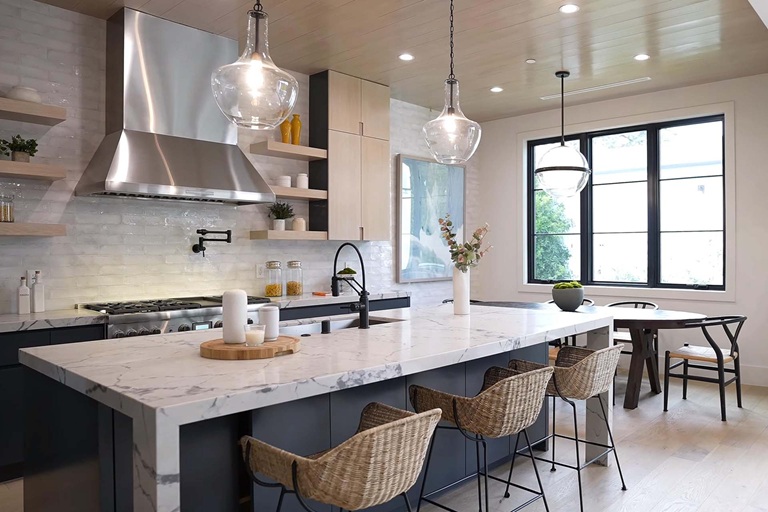
A kitchen remodel is not just a cosmetic change; it is a process that transforms the way a house functions. A kitchen is the center of a house where meals are prepared and where families meet. A remodel should be a blend of functionality and comfort. Before the remodel starts, a well-planned approach is necessary to ensure it is done according to long-term needs rather than short-term ones. A kitchen remodel should not be done on a whim; otherwise, it may cause a lot of trouble. A well-planned approach will enable the homeowner to manage the remodel timeline and budget effectively.
Planning Foundations for a Smooth Remodel
- Defining Purpose and Daily Use
A successful kitchen remodel starts with a basic understanding of the space’s use. In one household, the kitchen may be a space where meals are frequently prepared, while in another, it may be more geared towards interactions and quick meals. This use can directly impact the design and the products chosen for the space. Without establishing the space’s use early on, the design decisions can seem disjointed and random. A household where meals are frequently prepared may need more space for preparation and more durable products, while a household where the space is geared more towards interaction may need more seating space. This phase also includes assessing the frustrations within the space and using them to drive improvement.
- Establishing a Realistic Budget Framework
One of the most important steps before embarking on any remodeling project is developing a budget. Budgeting is more than just determining how much to spend; it also involves allocating funds. This may vary greatly depending on the materials used, structural changes, and the appliances installed in the kitchen. The best approach to budgeting for a remodeling project is to create a main budget and set aside funds for unexpected expenses that may arise during construction. Financial planning should also include arrangements for temporary living quarters in case the kitchen is rendered unusable during the remodeling period. This provides a framework that guides a homeowner in making financially stable decisions rather than ones that may cause financial strain. Budgeting also enables a homeowner to focus on upgrades with long-term benefits rather than those that do not enhance kitchen functionality.
- Evaluating Layout and Workflow Efficiency
The layout of a kitchen determines how efficiently tasks are completed. A poorly designed layout can lead to wasted movement, cluttered surfaces, and frustration during daily use. Before making changes, it is important to analyze the current workflow and identify areas that disrupt efficiency. Concepts such as the work triangle, which connects the sink, stove, and refrigerator, remain relevant because they promote smoother movement between essential zones. During kitchen remodeling, incorporating a balanced layout ensures that the space feels both practical and comfortable. Adjusting cabinet placement, widening walkways, or repositioning appliances can significantly improve how the kitchen functions. This stage also involves considering how multiple people use the space simultaneously, ensuring that movement is not restricted during busy moments.
- Choosing Materials That Balance Style and Durability
Materials used in a kitchen also have a significant impact on both the kitchen’s overall look and its longevity. Materials such as countertops, cabinets, floors, and backsplash not only need to look good together, but also be durable enough to withstand day-to-day kitchen activities. A kitchen used by many people needs materials that not only look good but also resist damage. Materials that are prone to staining, moisture, and heat need special attention. However, they also need to look good, which is a challenge in itself. A kitchen that is not properly maintained may require frequent updates, which are not only costly but also add no value to the kitchen’s overall look. A kitchen needs a balance between how the materials look and how they are maintained. This will ensure that the kitchen not only looks good but also has a uniform look. This is achieved by matching different materials that not only look good together but also ensure the kitchen has a uniform look.
- Planning Storage and Organization Solutions
Storage space is often neglected during the early stages of planning; however, it plays a crucial role in the kitchen’s functioning. A lack of storage space can make countertops cluttered and make it difficult to locate required items. This step involves analyzing the storage requirements for various items such as cookware, utensils, pantry items, and other appliances. Customized storage spaces can be incorporated to maximize the storage space without cluttering the design. This step can also enhance kitchen functionality by providing easy access to frequently used items. This step can help maintain the kitchen’s cleanliness and functionality even during peak usage. This can prevent last-minute design changes that may lead to additional expenses.
- Considering Lighting and Electrical Planning
Lighting is an important factor in creating a comfortable, functional kitchen environment. Lighting plays a significant role in visibility and also affects moods. Therefore, it is important to plan lighting for different tasks. Task lighting is required for food-preparation areas, while overall illumination is provided by ambient lighting. Accent lighting can also be used decoratively, adding depth to the kitchen environment. Electrical requirements should also be considered, including the placement of appliances, charging stations, and additional outlets for convenience. Failure to plan for these aspects may result in inadequate lighting or inconvenient access to power in the kitchen. Proper planning ensures a kitchen environment that is both functional and aesthetically pleasing.
- Understanding Permits and Construction Requirements
Before initiating renovation work, it is essential to understand the regulations and requirements. This is particularly necessary for renovations involving structural changes, electrical work, or plumbing. Failure to do so may result in complications in the future, especially when selling the house. By planning, one can ensure they have the necessary documentation before renovation work starts. This also provides one opportunity to work with contractors to ensure the renovation is completed to the required standards. This is a crucial stage in the renovation process, as it ensures the work is completed without interruptions.
- Timeline Planning and Project Coordination
A well-structured timeline ensures the remodeling project remains well-organized, thereby eliminating unnecessary complications that might arise from delays. All phases of the project, from demolition to installation, should be well planned to ensure a smooth flow of tasks. Complications are likely to arise if the materials are not readily available or if tasks overlap. A well-planned timeline ensures homeowners can plan well in advance, especially regarding the expected period of kitchen inaccessibility, which might affect the entire household. A well-planned timeline ensures smooth progress from the project’s outset to its completion, without complications.
- Preparing for Temporary Lifestyle Adjustments
Remodeling the kitchen also requires a series of changes to the daily routine, especially when the kitchen is out of use during the remodeling process. Therefore, preparing for these changes in advance can help reduce stress and make the process easier for homeowners. This includes preparing a temporary cooking station, planning meals, or even making alternative dining arrangements, which help maintain a sense of normalcy in the daily routine. It also includes preparing other areas of the house that might be affected by the remodeling process, especially regarding dust and other debris, to maintain comfort in these areas as well.
Final Thoughts on Pre-Remodel Preparation
It is the planning that precedes the kitchen remodel that makes the whole process manageable and fulfilling. Every stage, from the kitchen’s purpose to the actual planning, makes a significant contribution to a final product that not only meets the kitchen’s needs but also the owner’s desires. This ensures that a remodeling process without planning results in the owner incurring unnecessary costs and stress. A well-planned process makes the remodeling experience a predictable one, with the final product being a reflection of a well-thought-out process, efficiency, and a kitchen that can be used for everyday purposes.






