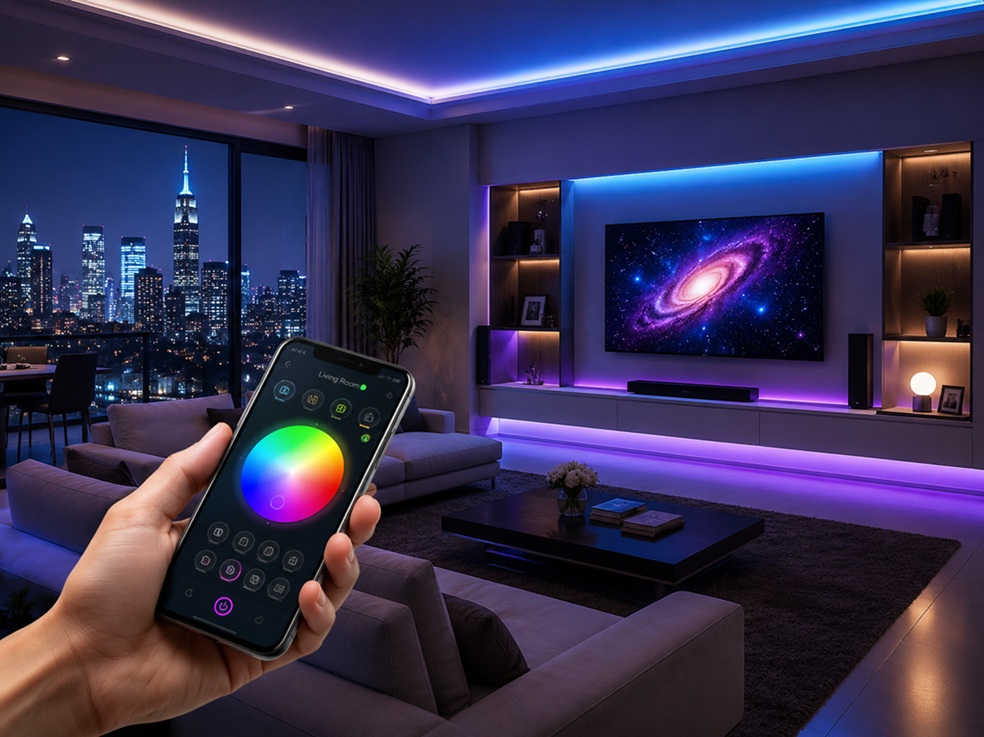
Lighting is one of the most essential systems in any building, influencing energy consumption, occupant comfort, productivity, and operational costs. In commercial buildings, offices, hospitals, educational institutions, shopping malls, hotels, and industrial facilities, lighting accounts for a significant portion of total electricity usage. As organizations strive to reduce energy costs, meet sustainability goals, and create intelligent work environments, Building Automation Systems (BAS) have become a powerful solution for optimizing lighting operations.
Understanding Building Automation Systems
A Building Automation System (BAS) is a centralized platform that monitors and controls various building services, including:
- Lighting systems
- HVAC systems
- Access control
- Fire and life safety systems
- Elevators
- Energy management
- Water management
- Security and surveillance
The BAS collects data from sensors and connected devices, analyzes real-time conditions, and automatically adjusts building operations to maximize efficiency and occupant comfort.
Lighting automation is among the most widely adopted BAS applications because lighting loads can be managed effectively without compromising user experience.
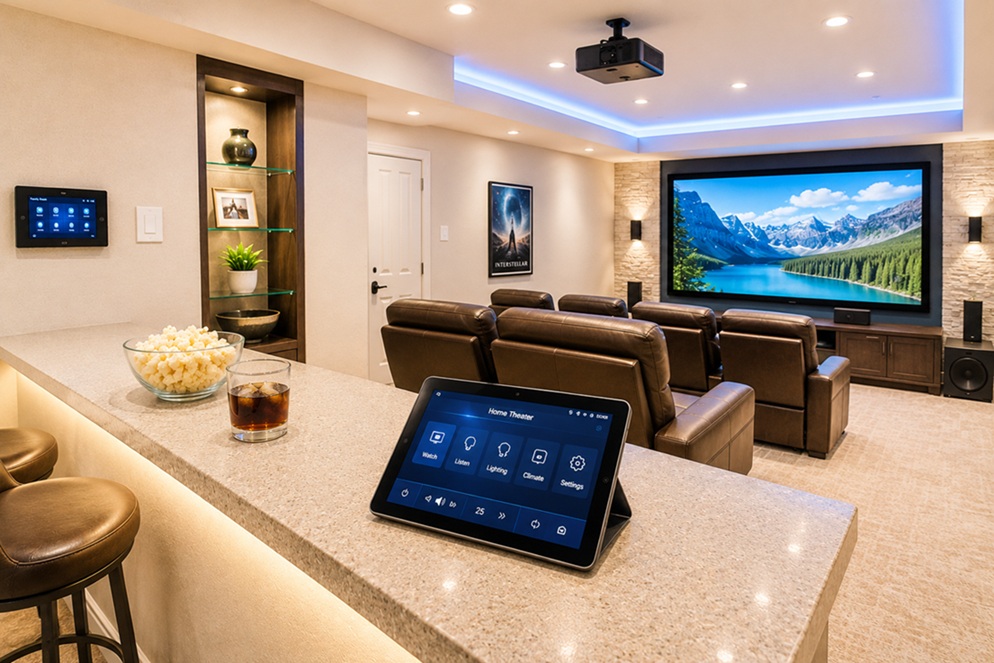
Why Lighting Optimization Matters
Lighting can represent between 20% and 40% of electricity consumption in commercial buildings, depending on building type and operational hours.
Poor lighting management often results in:
- Lights remaining ON in unoccupied rooms
- Excessive energy consumption
- High electricity bills
- Increased maintenance costs
- Reduced lamp lifespan
- Inconsistent lighting quality
- Occupant discomfort
Building automation eliminates these inefficiencies through intelligent control strategies.
Key Components of Automated Lighting Systems
Smart Lighting Fixtures
Modern LED fixtures are designed to communicate with automation systems. They support:
- Dimming
- Color temperature adjustment
- Remote monitoring
- Scheduling
- Occupancy-based control
Compared to conventional lighting, smart LEDs consume significantly less electricity while providing longer operational life.
Occupancy Sensors
Occupancy sensors automatically detect whether a space is occupied.
Common technologies include:
- Passive Infrared (PIR)
- Ultrasonic sensors
- Microwave sensors
- Dual-technology sensors
Applications include:
- Meeting rooms
- Washrooms
- Parking garages
- Corridors
- Storage areas
- Classrooms
Lights switch ON when someone enters and OFF after the space becomes vacant.
Daylight Sensors
Also known as photocells, daylight sensors measure natural sunlight entering the building.
When sufficient daylight is available, BAS automatically reduces artificial lighting.
Benefits include:
- Reduced electricity consumption
- Improved visual comfort
- Better utilization of natural daylight
This process is commonly known as daylight harvesting.
Lighting Controllers
Lighting controllers act as the decision-making devices between BAS software and lighting fixtures.
They perform:
- Switching
- Dimming
- Zone control
- Scheduling
- Load balancing
- Emergency lighting management
Building Management Software
The software dashboard allows facility managers to:
- View lighting status
- Monitor energy consumption
- Generate reports
- Modify schedules
- Detect equipment faults
- Analyze trends
Cloud-based dashboards also enable remote management from smartphones or computers.
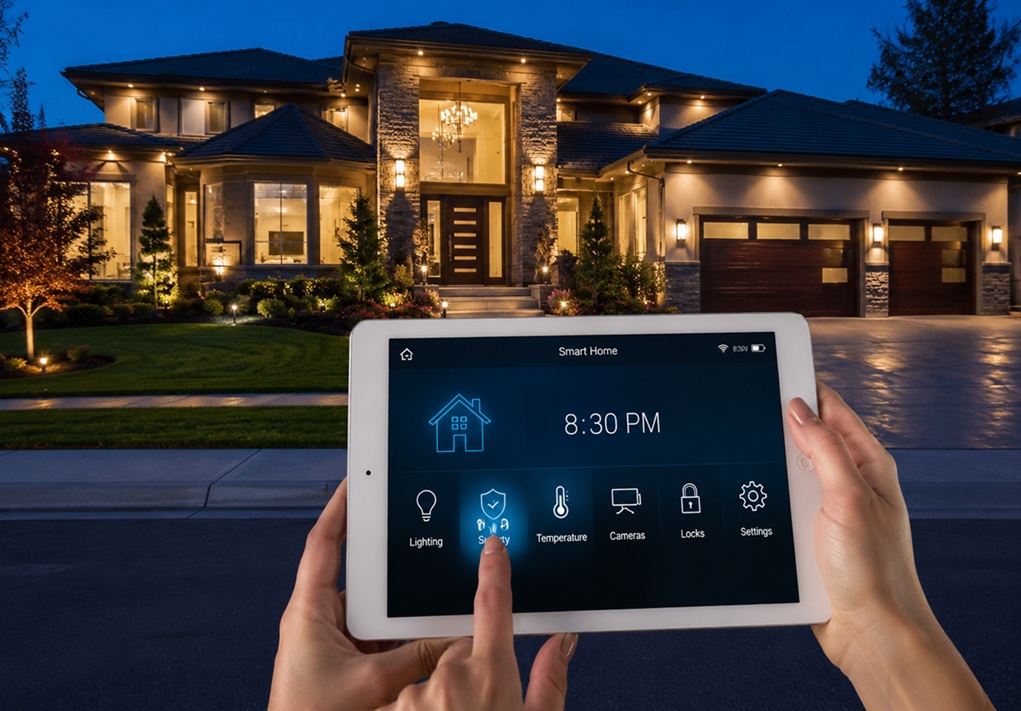
Benefits of Building Automation for Lighting
- Reduces lighting energy consumption by 30–60% through intelligent automation.
- Lowers electricity bills by eliminating unnecessary lighting usage.
- Automatically controls lighting using occupancy sensors, schedules, and daylight harvesting.
- Enhances occupant comfort with consistent and adaptive illumination levels.
- Improves employee productivity and reduces eye strain through optimized lighting conditions.
- Extends the lifespan of LED fixtures by reducing operating hours and preventing overuse.
- Minimizes maintenance and replacement costs through predictive monitoring and automated fault detection.
- Enables centralized monitoring and remote control of lighting systems across the entire facility.
- Supports green building certifications, ESG goals, and net-zero energy initiatives by reducing carbon emissions.
- Increases overall building efficiency by integrating lighting with HVAC, security, and energy management systems.
How Building Automation Optimizes Lighting
- Occupancy-Based Lighting Control: Motion and occupancy sensors automatically switch lights ON when a space is occupied and OFF when it is vacant, eliminating unnecessary energy consumption.
- Time-Based Scheduling: Lighting schedules are programmed according to office hours, weekends, holidays, and shift operations, ensuring lights operate only when required.
- Daylight Harvesting: Daylight sensors measure natural sunlight and automatically dim or switch off artificial lighting when sufficient daylight is available, reducing electricity usage.
- Adaptive Dimming: Lighting intensity is adjusted based on occupancy, time of day, or specific activities, providing optimal illumination while minimizing energy consumption.
- Zone-Based Lighting Control: Buildings are divided into independent lighting zones such as offices, conference rooms, corridors, parking areas, and lobbies, allowing only occupied areas to be illuminated.
- Demand Response Management: During peak electricity demand, the system automatically dims selected lighting zones to lower energy consumption without compromising occupant comfort.
- HVAC Integration: Lighting and HVAC systems share occupancy data, enabling both lighting and air conditioning to operate only when spaces are in use, improving overall building efficiency.
- Access Control Integration: Employee access cards or biometric systems activate lighting only in authorized areas, enhancing convenience, energy savings, and security.
- Emergency and Security Integration: During emergencies, the automation system illuminates evacuation routes, emergency exits, staircases, and critical areas while supporting security operations.
- Energy Monitoring and Analytics: Building automation continuously tracks lighting energy consumption, peak demand, operating hours, and system performance, providing actionable insights for improved energy management and cost savings.
Applications Across Industries
- Commercial office buildings
- Healthcare facilities and hospitals
- Educational institutions and universities
- Hotels and hospitality establishments
- Retail stores and shopping malls
- Industrial facilities and manufacturing plants
- Warehouses and logistics centers
- Airports and transportation hubs
- Data centers
- Residential apartments and gated communities
- Government and public buildings
- Smart cities and urban infrastructure
- Sports complexes and stadiums
- Mixed-use developments
- IT parks and business campuses
- Convention and exhibition centers
- Museums and art galleries
- Libraries and cultural institutions
- Railway stations and metro stations
- Ports and maritime facilities
- Pharmaceutical manufacturing facilities
- Research laboratories
- Banking and financial institutions
- Entertainment venues and multiplexes
- Religious institutions
- Parking garages and underground parking facilities
- Green buildings and LEED-certified developments
- High-rise commercial and residential towers
- Healthcare campuses
- Industrial parks and special economic zones (SEZs)
Best Practices for Successful Lighting Automation
Organizations planning to implement BAS-driven lighting optimization should consider the following best practices:
- Conduct a detailed lighting and energy audit before deployment.
- Replace conventional fixtures with high-efficiency LED lighting.
- Install occupancy and daylight sensors in appropriate locations.
- Divide large facilities into logical lighting zones for granular control.
- Use open communication protocols such as BACnet, KNX, or DALI to ensure interoperability.
- Integrate lighting controls with HVAC, security, and energy management systems.
- Train facility management teams on system operation and maintenance.
- Continuously monitor performance and refine control strategies based on occupancy and usage data.
Conclusion
Optimizing lighting systems through Building Automation Systems is no longer a luxury but a strategic necessity for modern buildings. By combining intelligent controls, occupancy sensing, daylight harvesting, adaptive dimming, and centralized management, BAS enables organizations to significantly reduce energy consumption, lower operating costs, improve occupant comfort, and extend the life of lighting assets.
Beyond immediate financial savings, automated lighting contributes to broader sustainability goals, supports green building certifications, and enhances the overall intelligence of commercial, industrial, healthcare, educational, and residential facilities. As technologies such as AI, IoT, digital twins, and human-centric lighting continue to mature, lighting automation will become even more responsive, data-driven, and integrated with the wider building ecosystem.