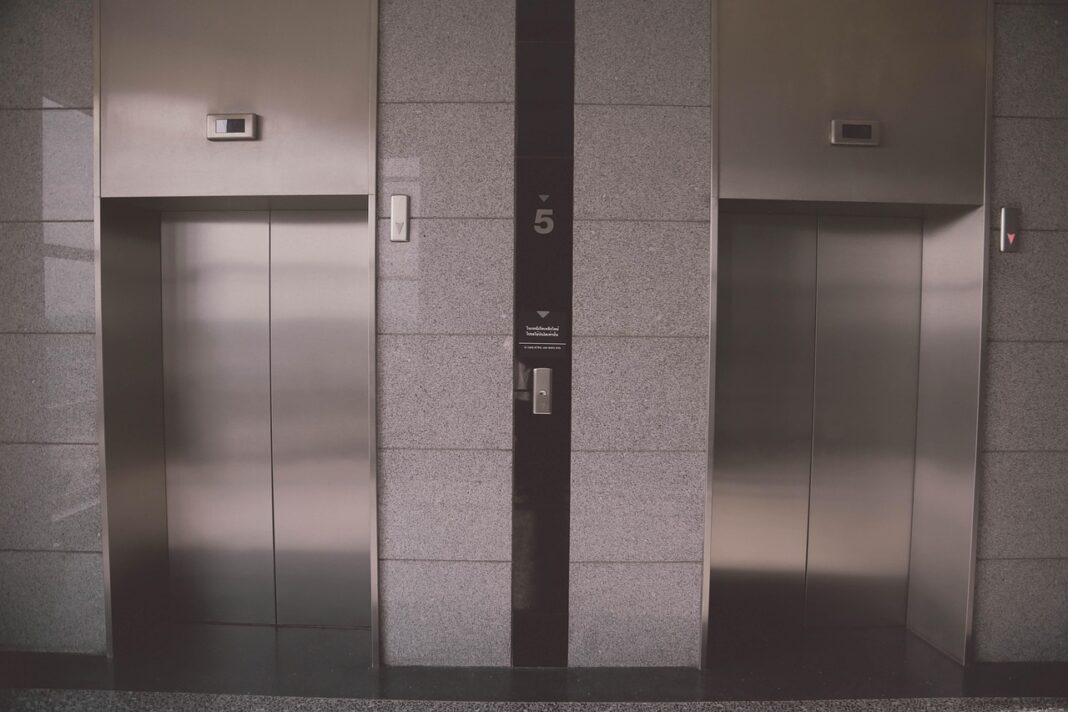
Elevators are the backbone of any multi-story commercial building. When they break down, tenants get frustrated, operations slow down, and repair bills can spiral fast. The good news is that keeping your elevator running smoothly does not have to drain your budget.
Smart building managers know that a proactive approach to elevator care always costs less in the long run. Whether you manage an office tower, a shopping complex, or a hospital, the financial stakes are the same. Downtime is expensive, and emergency repairs are even more so.
Why Elevator Maintenance Costs Get Out of Hand
“Most buildings end up overspending on elevators for one simple reason: they wait until something breaks before calling a technician,” says Mid-American Elevator, a company that provides commercial elevator repairs. This reactive approach turns small issues into major repairs and pushes replacement timelines forward faster than necessary.
Aging equipment that never gets routine attention wears out two to three times faster than properly maintained systems. Owners and facility managers often underestimate how quickly worn cables, dirty contacts, or misaligned doors can snowball into full system failures that shut everything down.
Labor costs also spike when repairs happen outside of regular business hours. Emergency callouts, especially on weekends or holidays, carry premium rates that can be two to three times higher than standard service rates. Avoiding these situations starts with a smarter maintenance plan.
Start With a Preventive Maintenance Contract
One of the most reliable ways to control elevator costs is signing a preventive maintenance (PM) contract with a certified elevator service company. These agreements cover routine inspections, lubrication, adjustments, and minor part replacements on a scheduled basis.
A well-structured PM contract keeps technicians visiting your elevator system regularly, typically monthly or quarterly depending on usage levels. This consistency means small faults get caught and fixed before they turn into service disruptions that affect tenants and visitors.
When shopping for a contract, ask vendors to break down exactly what is and is not covered. Some contracts exclude parts or major component replacements, which can still leave you exposed to large unexpected bills.
Use Remote Monitoring Technology
Modern elevator systems can be equipped with remote monitoring tools that track performance data in real time. These devices detect unusual vibrations, door misalignments, and motor irregularities before a passenger even notices anything is wrong.
Building owners who invest in remote monitoring often reduce their emergency repair calls by a significant margin. Service teams can respond to alerts before a breakdown happens, which keeps repair scopes smaller and costs lower across the board.
This technology also gives facility managers better visibility into how their equipment is aging. Instead of guessing when a major component might fail, you get actual data that helps you plan and budget for replacements well in advance.
Train Your In-House Staff
Your on-site maintenance team can play a meaningful role in keeping elevator costs down. While licensed technicians must handle all regulated work, trained staff members can carry out basic visual checks and report early warning signs to the right people.
Here are practical things your team can do regularly:
- Check elevator doors for unusual sounds or slow response times
- Inspect the interior cabin for lighting issues or panel damage
- Monitor the call button panels for unresponsive buttons
- Look out for oil stains or debris near the machine room
- Report any tenant complaints about rough rides or stopping gaps
- Keep machine room areas clear and dry to prevent environmental damage
These simple habits create an extra layer of oversight that costs nothing beyond a brief daily routine. Issues reported early almost always cost less to fix than ones discovered during a breakdown.
Prioritize Parts Procurement Wisely
Replacement parts are one of the biggest cost variables in elevator maintenance. Original equipment manufacturer (OEM) parts are reliable but often come with a significant price premium. Third party parts, when sourced from reputable suppliers, can offer comparable quality at a fraction of the cost.
Work with your maintenance provider to review which parts can be substituted safely without compromising safety or warranty terms. Elevator consultants can also help you evaluate this if you want an independent perspective separate from your service contractor.
Keeping a small inventory of fast-wearing parts like brake pads, door rollers, and light fixtures can also save money. Emergency sourcing fees and shipping surcharges add up quickly when technicians have to chase parts down on short notice.
Renegotiate Contracts Periodically
Many building operators sign elevator maintenance contracts and then forget to review them for years. During that time, equipment ages, usage patterns shift, and the service scope may no longer match what the building actually needs.
Set a reminder to review your contract terms every two to three years at minimum. Bring usage data and service records to the table. If your elevator is handling significantly more trips per day than when the contract was first written, the maintenance frequency should reflect that reality.
Competitive bidding is also worth doing even if you are satisfied with your current vendor. Getting two or three quotes forces vendors to stay sharp on pricing and ensures you are not quietly overpaying for service that has become standard in the industry.
Plan for Modernization Before You Have To
Older elevator systems become increasingly expensive to maintain as parts become harder to source and technician expertise in legacy systems becomes rare. Many building managers delay modernization to avoid upfront costs, but this often results in paying far more over time.
A phased modernization plan lets you spread capital expenses across several budget cycles. You can start by upgrading the controller or the door operating system before committing to a full cab renovation. Each upgrade reduces failure risk and often improves energy efficiency, which lowers your utility bills as a bonus.
Consult with a licensed elevator consultant, not just your service vendor, to get an unbiased assessment of your system’s remaining useful life. That clarity helps you make smarter capital planning decisions without being rushed by a breakdown.
The Bottom Line
Elevator maintenance does not have to be one of your building’s most unpredictable expenses. With the right contracts, technology, staff habits, and planning, facility managers can take real control of costs without cutting corners on safety or performance.
The buildings that manage these systems best are the ones that stay ahead of problems rather than reacting to them. A little planning today saves a lot of money and frustration later.
Image- https://pixabay.com/photos/elevator-nice-view-building-door-939515/