
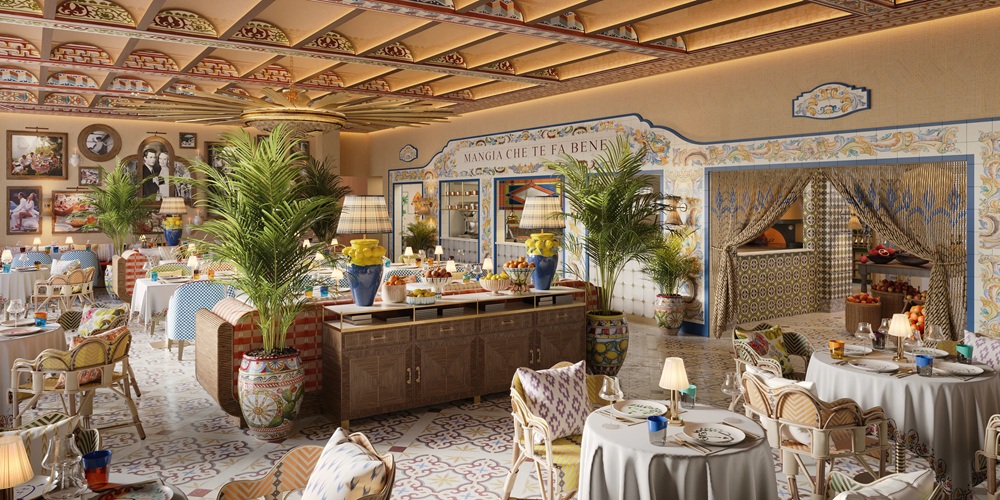
Picture this: your client walks through their future building before a single brick is laid. They see sunlight streaming through windows at different times of day, understand spatial relationships between rooms, and feel the atmosphere you’ve designed. That’s the power of architectural visualization – it transforms blueprints into experiences that resonate emotionally with stakeholders and decision-makers.
What Makes Architectural Animation Different from Static Renders
Static renders capture a moment. Animations tell a story.
When you’re presenting a $12 million mixed-use development, stakeholders need more than pretty pictures. They need context. A flythrough animation guides viewers through spaces naturally, showing how areas connect and flow. According to the National Association of Realtors, properties marketed with video content receive 403% more inquiries than those without – a statistic that real estate developers can’t ignore in 2025.
Professional architectural 3d animation services typically include several delivery formats. You’ll get high-resolution walkthroughs for presentations, compressed versions for web embedding, and sometimes even VR-compatible files. The technical specifications matter here – rendering at 4K resolution with 60 frames per second creates smooth, cinema-quality output that impresses even the most skeptical investors.
“The difference between showing a floor plan and an animated walkthrough is like describing a symphony versus hearing it performed live. One informs, the other transforms understanding.” – Mark Chen, Senior Architect at Foster + Partners
Honestly, the production process involves more than just pushing buttons in software. Artists spend 40-80 hours per minute of final animation, depending on complexity. They model every detail – from door handles to landscaping – then add materials that react to light realistically. Camera movements follow cinematic principles, maintaining viewer comfort while showcasing design features. Background elements like animated people and vehicles bring scenes to life without distracting from architecture.
Breaking Down Costs and Investment Returns
Let’s talk numbers. Not always simple. But essential.
A 3d architectural animation company typically charges between $3,000 and $15,000 per finished minute. Variables affecting price include project complexity, rendering quality, revision rounds, and delivery timeline. A simple residential walkthrough might cost $4,500 for 90 seconds, while a detailed commercial development with multiple buildings could run $25,000 for three minutes.
The pricing structure usually breaks down like this:
- Modeling and scene setup – 30-40% of total cost, covering the creation of 3D geometry, textures, and environmental elements
- Animation and camera work – 20-25% of budget, including path creation, timing adjustments, and dynamic elements
- Lighting and rendering – 25-30% of investment, accounting for photorealistic material properties and computational time
- Post-production and revisions – 10-20% of fee, covering color grading, sound design, and client-requested changes
These percentages shift depending on project specifics, but they provide a reliable framework for budget planning.
Return on investment becomes clear quickly. A 2024 study by the Royal Institution of Chartered Surveyors found that developments marketed with professional architectural visualization sold 31% faster and achieved 12% higher sale prices compared to traditionally marketed properties. For a $8 million project, that translates to nearly $1 million in additional value – making even premium animation services look like bargain investments.
“We’ve tracked project approvals for five years now. Proposals incorporating architectural animation receive municipal approval 2.3 times faster than those relying solely on technical drawings.” – Planning Department Analysis, City of Austin
Choosing the Right Animation Style for Your Project Type
Not every project needs a Hollywood-style cinematic experience. Matching animation style to audience expectations maximizes impact.
Real estate developers typically request photorealistic walkthroughs that mirror what buyers will experience. These animations showcase interior finishes, demonstrate sightlines from windows, and illustrate how natural light changes throughout the day. Camera movements stay smooth and measured, giving viewers time to absorb details without motion sickness.
Municipal presentations require a different approach entirely. City councils and planning boards want to understand community impact – how your building relates to neighboring structures, affects traffic patterns, and preserves or enhances neighborhood character. Aerial flythrough animations work brilliantly here, showing the project in context with surrounding streets, parks, and infrastructure.
By the way, construction animation serves yet another purpose – it communicates building sequences to contractors and construction managers. These technical animations show how components fit together, highlight potential conflicts before they become expensive field problems, and provide clear installation instructions for complex assemblies. They’re less about beauty and more about clarity and precision.
Some firms now offer seasonal variations within single projects. Imagine presenting the same development in summer greenery and winter snow – this helps buyers in seasonal climates visualize year-round living. Virtual property tours can include multiple time-of-day options, weather conditions, and even furniture arrangement alternatives. Interactive elements let viewers choose their own path through spaces, creating personalized exploration experiences.
Technical Considerations That Impact Quality
Rendering engines make or break realism. V-Ray, Corona, and Unreal Engine dominate professional architectural 3d animation services for good reason – they handle complex lighting calculations, material interactions, and global illumination with exceptional accuracy. Ray tracing technology, now accessible through modern GPUs, produces reflections and refractions that fool the eye.
Frame rate selection matters more than many realize. While 24 frames per second works for cinematic feel, 30 or 60 fps creates smoother motion that feels more natural when showcasing architectural spaces. Higher frame rates demand more rendering time and larger file sizes, but the visual improvement justifies the investment for high-stakes presentations.
Maximizing Value Through Strategic Planning and Collaboration
Getting exceptional results from architectural visualization services requires more than hiring talented artists. It demands strategic thinking from project inception.
Start conversations early – ideally during schematic design phase. When animation teams participate in design development, they identify views that will showcase your project most effectively. They might suggest minor architectural adjustments that dramatically improve visual storytelling without compromising design intent. This collaborative approach prevents the disappointment of discovering perfect views exist but can’t be captured because design decisions have locked them out.
Documentation quality directly affects animation accuracy and cost. Providing detailed CAD files, material specifications, and reference photos reduces modeling time significantly. When a London firm I worked with supplied comprehensive material boards with actual product specifications, their animation company reduced the quote by $3,200 and delivered two weeks ahead of schedule. Clear communication saves everyone time and money.
Think beyond the initial presentation. Repurpose animation assets across multiple platforms – extract still frames for print materials, create shorter social media clips, develop interactive web viewers. A single animation investment can fuel six months of marketing content when planned strategically. Some clients even use their animations in augmented reality applications, projecting proposed buildings onto actual construction sites through tablets or phones.
Consider the human element too. The most compelling animations include people – not generic mannequins, but diverse, naturally posed figures that suggest how spaces will actually be used. Children playing in courtyards, professionals collaborating in office spaces, families gathering in residential areas. These details transform architectural presentations from technical exercises into emotional narratives that resonate with decision-makers.
Sound design, often overlooked, adds another dimension. Subtle ambient sounds – footsteps echoing in lobbies, distant traffic, birds in landscaped areas – ground viewers in the experience. Professional audio mixing typically adds $500-$1,200 to project costs but significantly enhances perceived quality and viewer engagement.
The architectural animation industry continues evolving rapidly. Real-time rendering technologies now allow instant design modifications during client meetings. Virtual reality integration lets stakeholders literally walk through unbuilt spaces. As computational power increases and software becomes more sophisticated, the line between proposed design and built reality blurs further.
Your project deserves presentation tools that match its ambition. Whether you’re developing residential towers, commercial complexes, or public infrastructure, motion brings architecture to life in ways static images simply cannot achieve. The investment pays dividends in faster approvals, higher sales prices, and clearer stakeholder communication – benefits that compound throughout project lifecycles.






