
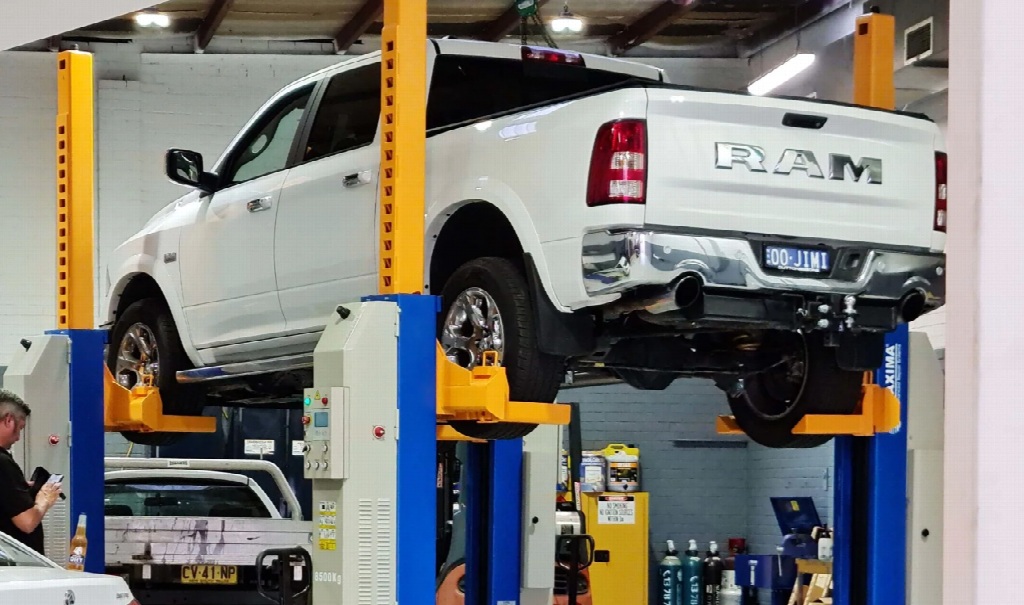
Diesel engines are designed to handle demanding workloads, making them a common choice for trucks, commercial vehicles, agricultural equipment and heavy machinery. Their durability and ability to deliver consistent torque make them suitable for applications that require reliable performance over extended periods. However, even well-maintained diesel engines experience wear as they accumulate operating hours and kilometres. Components such as pistons, bearings, cylinder liners and cylinder heads can gradually deteriorate, affecting engine efficiency and reliability. When mechanical problems begin to develop, vehicle owners must decide whether individual repairs are sufficient or whether a more comprehensive engine rebuild is necessary.
Understanding the difference between repairing and rebuilding a diesel engine can help prevent unnecessary expenses and prolonged vehicle downtime. Minor faults may be resolved by replacing damaged components, while extensive internal wear may require the engine to be dismantled, inspected and restored. Consulting a Sydney workshop for diesel engine rebuilds can help vehicle owners determine the extent of mechanical damage and identify an appropriate course of action. Recognising the warning signs of internal engine problems is an important first step towards making an informed repair decision.
Understanding the Difference Between Engine Repairs and Rebuilding
Diesel engine repairs generally involve identifying and correcting specific mechanical faults without necessarily dismantling the entire engine. For example, replacing a faulty injector, repairing a cooling system component or addressing a damaged gasket may restore normal operation when the underlying engine components remain in good condition. These targeted repairs can be practical when the problem is isolated and there is no evidence of significant internal deterioration.
An engine rebuild involves a more extensive process. Depending on the engine’s condition and the agreed scope of work, technicians may dismantle the engine, inspect internal components, measure wear and replace or recondition parts that no longer meet specifications. Components such as pistons, piston rings, bearings, seals and cylinder heads may require attention. The objective is to restore the engine to defined mechanical tolerances and reliable operating condition. However, not every rebuild involves replacing every internal component, and the final scope depends on inspection findings, manufacturer specifications and the condition of reusable parts.
Persistent Loss of Power and Engine Performance
A noticeable reduction in engine power can be an early indication that a diesel engine is experiencing mechanical problems. Drivers may notice slower acceleration, reduced pulling power, difficulty maintaining speed under load or an increase in fuel consumption. For commercial vehicles, these symptoms can affect productivity, particularly when transporting heavy loads or operating over long distances.
However, reduced performance does not automatically mean an engine requires rebuilding. Problems involving fuel injectors, turbochargers, air intake restrictions or electronic engine management systems can produce similar symptoms. These issues may be resolved through targeted repairs when the internal engine remains mechanically sound. A rebuild becomes a stronger consideration when diagnostic testing identifies significant cylinder wear, poor compression or other internal problems affecting multiple components. Determining the cause of reduced power is essential before committing to major mechanical work.
Excessive Oil Consumption and Unusual Exhaust Smoke
Diesel engines require adequate lubrication to protect moving components from friction and excessive heat. Although some oil consumption may be normal depending on the engine’s design, age and operating conditions, a noticeable increase can indicate developing mechanical wear. Vehicle owners may find themselves topping up engine oil more frequently or noticing changes in oil consumption between scheduled services.
Worn piston rings, damaged cylinder walls and deteriorating valve stem seals are among the possible causes of excessive oil consumption. Blue exhaust smoke can sometimes indicate that engine oil is entering the combustion process, while black smoke may suggest incomplete combustion caused by fuel delivery or air supply problems. White smoke can have several causes, including unburnt fuel or coolant entering the combustion chamber. Because exhaust smoke is not a definitive diagnosis, professional testing is necessary. If excessive oil consumption is linked to widespread internal wear, rebuilding may offer a more comprehensive solution than repeatedly repairing individual components.
Low Compression and Internal Engine Wear
Compression is essential for diesel engine operation because the engine relies on highly compressed air to generate the heat needed for fuel ignition. When internal components become worn or damaged, the engine may struggle to maintain sufficient compression within its cylinders. This can lead to difficult starting, rough running, reduced power and inefficient combustion.
Low compression may result from worn piston rings, damaged cylinder walls, leaking valves or cylinder head problems. A technician can use compression testing and other diagnostic procedures to assess cylinder sealing and identify potential internal faults. Testing results must be interpreted against the manufacturer’s specifications and considered alongside other evidence. If only one component is responsible, a targeted repair may be appropriate. However, consistently poor compression across multiple cylinders can indicate more extensive deterioration. In these circumstances, an engine rebuild may be worth considering because several internal components could require reconditioning or replacement.
Unusual Engine Noises and Mechanical Warning Signs
Diesel engines naturally produce more noticeable combustion and mechanical noise than many petrol engines. However, changes in the normal operating sound can indicate developing problems. Persistent knocking, metallic tapping, grinding or unusual rattling should be investigated, particularly when accompanied by reduced performance, low oil pressure or increased vibration.
Different mechanical faults can produce similar noises, making accurate diagnosis important. Worn bearings, damaged pistons, valve train problems and fuel injection faults may all contribute to abnormal engine sounds. Some issues can be repaired without dismantling the entire engine, while others may indicate serious internal damage. A deep knocking sound associated with bearing wear, for example, may require extensive inspection to determine whether the crankshaft and related components remain serviceable. Continuing to operate an engine with severe mechanical noise can increase the risk of additional damage. If a serious internal fault is suspected, the vehicle should be assessed before further operation.
Recurring Repairs and Increasing Maintenance Costs
An occasional mechanical repair is a normal part of maintaining a diesel-powered vehicle. However, when an engine requires frequent attention for related problems, it may be worth investigating whether the underlying cause is broader than the individual components being replaced. Repeated repairs can become expensive, especially when labour costs, replacement parts and vehicle downtime are considered together.
For fleet operators, recurring breakdowns can also affect scheduling, customer commitments and operational efficiency. A vehicle that spends considerable time in the workshop may create costs beyond the repair invoice. If multiple internal engine components are approaching the end of their service life, rebuilding may provide a more practical long-term option than continuing with isolated repairs. Nevertheless, the decision should be based on the engine’s actual condition rather than repair frequency alone. Problems caused by external components, poor maintenance practices or unresolved operating conditions may continue even after an engine rebuild if their underlying causes are not addressed.
Comparing the Cost of Repairs With an Engine Rebuild
Cost is often one of the most important considerations when deciding whether to repair or rebuild a diesel engine. A relatively minor repair will generally involve less labour and fewer replacement components than a comprehensive rebuild. However, repeated repairs to an extensively worn engine may eventually cost more than addressing the underlying mechanical deterioration through a planned rebuild.
A meaningful comparison should consider the engine’s age, operating history, availability of replacement parts and expected future service requirements. The condition of the vehicle itself also matters. Rebuilding an engine in a truck with a sound transmission, chassis and other major components may be more financially reasonable than investing heavily in a vehicle with several additional mechanical problems. Vehicle owners should request a detailed assessment and quotation outlining the proposed work, likely additional costs and applicable warranty conditions. Comparing these factors can help determine whether targeted repairs, rebuilding or complete engine replacement offers the most practical value.
Why Professional Engine Diagnostics Matter Before Making a Decision
Choosing between repairing and rebuilding a diesel engine should begin with a thorough mechanical assessment. Symptoms such as smoke, poor performance, oil consumption and unusual noises can have several possible causes. Without appropriate testing, vehicle owners risk paying for unnecessary repairs or overlooking internal damage that may lead to further problems.
Professional diagnostics may involve compression testing, oil pressure measurements, electronic fault code analysis, cooling system checks and inspection of fuel delivery components. Depending on the symptoms, technicians may also examine the condition of the engine oil, use specialised inspection equipment or recommend partial dismantling to assess internal components. These procedures help establish whether the problem is isolated or part of broader mechanical deterioration. A clear diagnosis allows the workshop to explain the available repair options and their likely implications. It also helps vehicle owners make decisions based on evidence rather than assumptions about the engine’s condition.
Conclusion
Determining whether a diesel engine needs rebuilding rather than repairing requires careful consideration of its mechanical condition, performance and maintenance history. Warning signs such as persistent power loss, excessive oil consumption, low compression, unusual engine noises and recurring mechanical problems can indicate developing internal wear. However, these symptoms do not always mean a complete rebuild is necessary, as some faults can be resolved through targeted repairs.
The most appropriate solution depends on accurate diagnostics, the extent of internal damage and the long-term value of the vehicle. For commercial vehicle owners and fleet operators, the decision should also account for operating costs, reliability and potential downtime. By seeking professional assessment and comparing repair options carefully, diesel vehicle owners can make informed decisions that support engine performance, manage maintenance expenses and help extend the useful service life of their vehicles.






