Planning a wedding involves making countless decisions, from selecting the perfect venue and choosing floral arrangements to coordinating outfits and organising the day’s schedule. One detail that can make a significant difference to the overall experience is wedding transport. The vehicle you choose does more than take you from one location to another. It can complement your wedding theme, provide comfort during travel and create memorable moments as you arrive at your ceremony or reception. Whether you prefer timeless elegance, contemporary luxury or something more distinctive, selecting the right wedding car requires balancing appearance with practical considerations.
With so many vehicle styles available, couples may find it challenging to decide which option best suits their celebration. Factors such as passenger capacity, wedding attire, venue accessibility, photography opportunities and travel distances can all influence the decision. Exploring a wide range of wedding cars can help couples compare different vehicle types and identify options that complement their wedding vision. By considering both style and functionality, couples can choose transport that enhances their special day while ensuring everyone travels comfortably and arrives according to schedule.
Match Your Wedding Car to Your Wedding Theme
Your wedding theme provides a useful starting point when choosing a vehicle. A traditional wedding held in a historic church or elegant reception venue may suit a classic luxury car with timeless styling. Vehicles featuring refined interiors, distinctive bodywork and traditional design elements can complement formal wedding attire and sophisticated decorations.
For modern weddings, contemporary luxury sedans or premium sports cars may be more appropriate. Their streamlined appearance and modern interiors can work well with minimalist styling, urban venues and contemporary celebrations. Couples planning relaxed garden weddings or coastal ceremonies may prefer vehicles that feel understated rather than overly formal. The objective is not necessarily to match every decorative detail but to select a car that feels consistent with the overall atmosphere. Considering your venue, colour palette and preferred photography style can help narrow down the options.
Understand the Differences Between Classic and Modern Wedding Cars
Classic wedding cars are often associated with elegance, tradition and a sense of occasion. Their distinctive shapes, decorative details and spacious interiors can create an impressive arrival at formal ceremonies. They may also provide an attractive backdrop for wedding photography, particularly when paired with heritage buildings, established gardens or traditional venues.
Modern wedding cars offer a different experience, often combining contemporary styling with features designed for passenger comfort. Luxury sedans may provide climate control, comfortable seating and convenient access, while premium sports cars can create a more dramatic visual impression. However, appearance should not be the only consideration. Some classic vehicles may have different comfort features from modern models, while sports cars may have limited passenger space or lower seating positions. Couples should compare the practical characteristics of individual vehicles before deciding which style best suits their needs.
Consider Passenger Capacity and Bridal Party Size
One of the most important considerations when selecting wedding transport is determining how many people need to travel. Some couples arrange a single vehicle for the bride or groom, while others require multiple cars to accommodate bridesmaids, groomsmen, parents or other important guests. Establishing the passenger numbers early can help avoid unnecessary complications closer to the wedding date.
Vehicle capacity should be assessed alongside comfort rather than simply relying on the maximum number of available seats. Formal clothing, bouquets and accessories can take up additional space, particularly when travelling in fitted suits or elaborate wedding gowns. Couples should also consider whether members of the bridal party need to travel together or can be transported separately. A larger vehicle or coordinated group of cars may be more suitable when several passengers are involved. Confirming seating arrangements with the transport provider helps ensure that the selected vehicles can accommodate everyone comfortably and safely.
Choose a Vehicle That Accommodates Your Wedding Attire
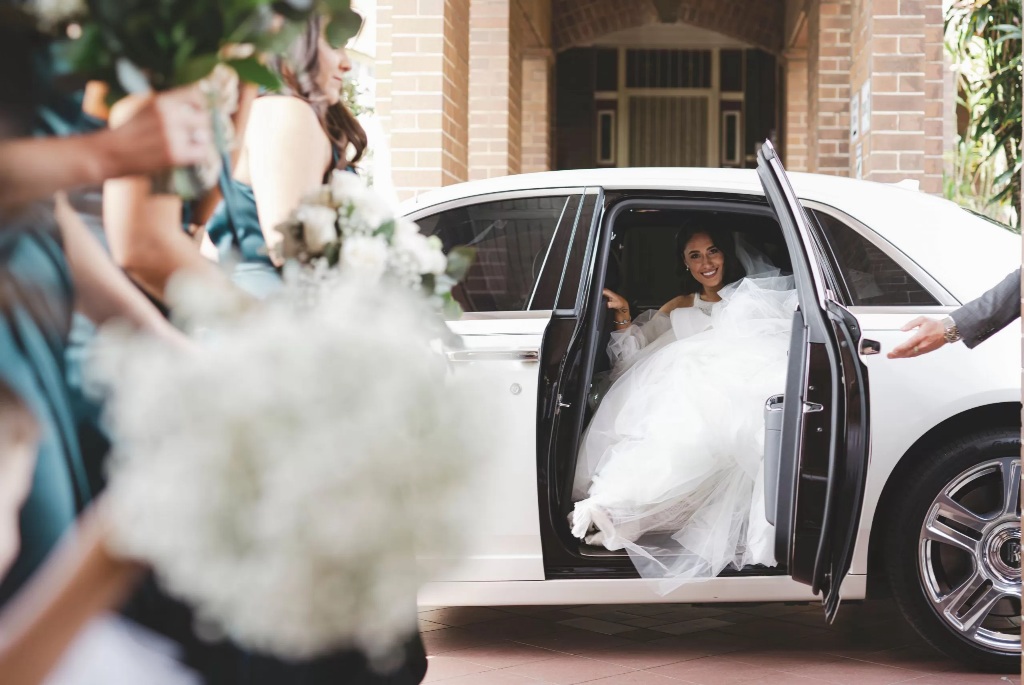
Wedding clothing can influence which vehicle is most practical. Brides wearing gowns with long trains, full skirts or delicate detailing may require additional space when entering, sitting inside and exiting the car. A vehicle that looks impressive in photographs may not necessarily provide enough room for an elaborate dress without causing discomfort or unnecessary creasing.
Door openings, seat height and interior space should therefore be considered before making a booking. Low sports cars may require passengers to bend considerably when entering or exiting, while larger luxury sedans may offer more convenient access. Couples should also consider the needs of passengers wearing formal suits, traditional clothing or outfits with additional accessories. Where possible, inspecting the vehicle or discussing its dimensions with the provider can help determine whether it is suitable. Choosing a comfortable car allows the wedding party to focus on enjoying the journey rather than managing practical difficulties with their attire.
Think About Your Ceremony and Reception Locations
The location of your wedding venues can affect the type of transport required. A ceremony held in central Sydney may involve different access and parking considerations from a wedding at a coastal venue, countryside estate or private property. Narrow driveways, steep entrances, restricted parking areas and busy streets can all influence whether a particular vehicle is suitable.
Travel distances also matter. Couples travelling between multiple locations may prefer a vehicle with comfortable seating and appropriate climate control, particularly during warmer weather. If the ceremony and reception are held at separate venues, the transport schedule should allow sufficient time for traffic, photographs and unexpected delays. Some locations may have designated drop-off points or restrictions on vehicle access. Discussing these details with the transport provider before booking can help determine whether the chosen car is practical for the planned route and reduce the likelihood of last-minute changes.
Consider How the Wedding Car Will Look in Photographs
Wedding cars often appear in photographs taken before the ceremony, during arrivals and after the couple exchanges vows. The vehicle’s appearance can contribute to the overall visual style of the wedding album, making colour, design and presentation worthwhile considerations. A classic car may complement traditional portraits, while a modern luxury vehicle can suit contemporary photography.
The surrounding environment should also be considered. A vehicle photographed outside a historic building may create a different impression from the same car positioned beside a modern waterfront venue. Couples may wish to discuss potential photography locations with their photographer and transport provider before the wedding day. It is also important to allow enough time for photographs without disrupting the transport schedule. While an attractive vehicle can enhance wedding imagery, its practical purpose remains transporting passengers safely and comfortably between locations.
Plan Your Wedding Transport Schedule Carefully
Even the most suitable wedding car cannot contribute to a relaxed experience if the transport schedule is poorly organised. Couples should establish pickup times, travel routes and arrival expectations well before the wedding day. This is particularly important when multiple vehicles are involved or when members of the bridal party are departing from different locations.
A practical schedule should account for estimated travel times, traffic conditions, loading passengers and opportunities for photography. Extra time may be needed when travelling through busy areas or during periods of heavy traffic. Couples should provide the transport company with accurate addresses, contact details and any venue access instructions. Confirming the arrangements before the wedding can help identify potential issues early. A well-organised schedule allows the wedding party to travel with greater confidence and reduces the pressure associated with arriving at important moments on time.
Compare Comfort, Features and Vehicle Presentation
While appearance often attracts couples to a particular wedding car, comfort and vehicle condition are equally important. Features such as air conditioning, seating arrangements, interior cleanliness and ease of access can affect the travel experience. This becomes especially relevant when passengers will spend considerable time in the vehicle between wedding locations.
Couples should ask about the specific vehicle they intend to book rather than relying solely on general descriptions of a vehicle category. Photographs can provide a useful indication of appearance, but confirming the car’s condition, passenger capacity and included features is advisable. It is also worth discussing whether a professional chauffeur is included and what services are provided during the booking. Understanding these details helps couples compare options based on the complete experience rather than choosing solely according to appearance.
Understand What Is Included in Your Wedding Car Booking
Before confirming wedding transport, couples should review the booking details carefully. Different providers may structure their services around hourly hire, specific travel arrangements or wedding packages. The quoted price may depend on the vehicle selected, booking duration, travel distance and number of pickup or drop-off locations.
It is important to clarify what the booking includes, such as chauffeur services, vehicle decorations, waiting time and additional stops. Couples should also ask about overtime charges, cancellation conditions and arrangements if the selected vehicle becomes unavailable. Confirming these details in writing can help avoid misunderstandings during the planning process. The most suitable option is not necessarily the least expensive vehicle but one that offers the required capacity, presentation and service within the available budget. Clear booking arrangements contribute to a more organised and predictable wedding day.
Conclusion
Choosing the right wedding car involves more than selecting a vehicle that looks impressive. Wedding theme, passenger numbers, clothing, venue accessibility, travel distances and comfort all play important roles in determining which option is most suitable. Classic cars can complement traditional celebrations, while modern luxury vehicles may appeal to couples planning contemporary weddings. The best choice is one that reflects the occasion while meeting the practical requirements of the day.
Taking time to compare vehicle styles, confirm booking details and coordinate transport arrangements can help couples make a confident decision. A well-chosen wedding car should provide comfortable travel, complement the overall celebration and fit smoothly into the wedding schedule. By balancing appearance with functionality and planning ahead, couples can create an enjoyable transport experience that becomes a memorable part of their wedding day.