
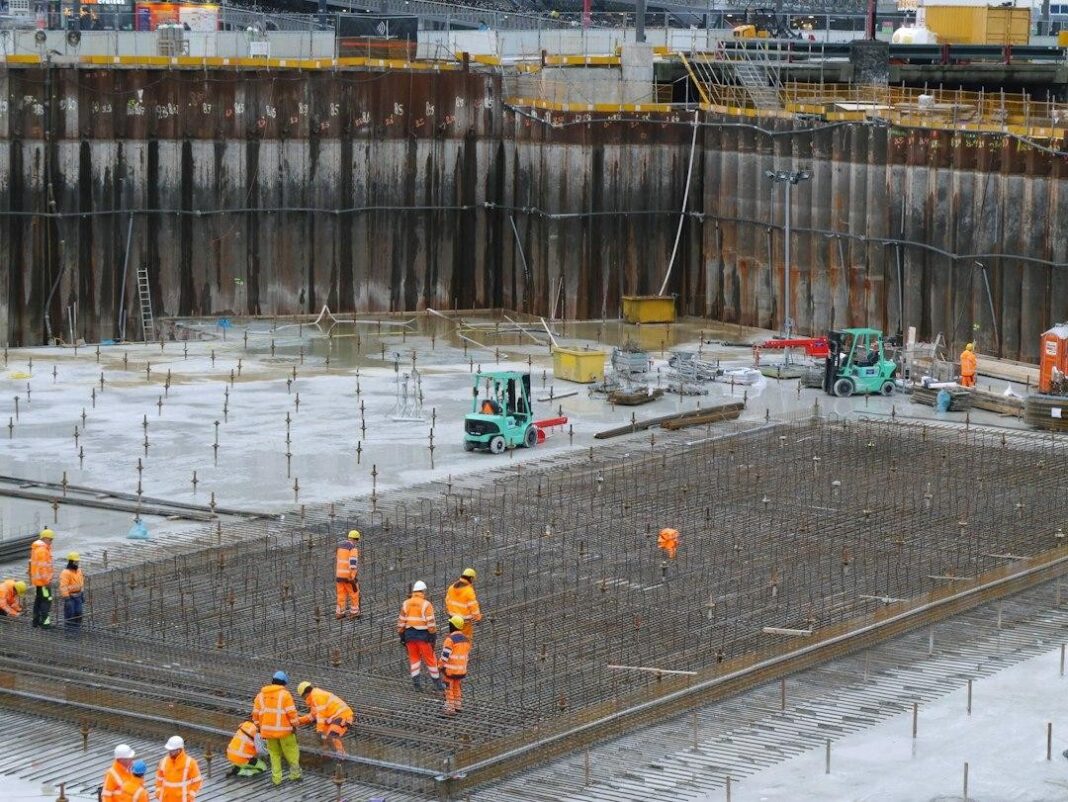
Greater Dandenong is one of the most Indian corners of Melbourne. The 2021 Census counted 158,208 residents there, and 11,898 of them were born in India. That is 7.5% of the city, second only to Vietnam among overseas birthplaces. Many of those arrivals are civil engineers, site supervisors and contractors who learned the trade on Indian sites.
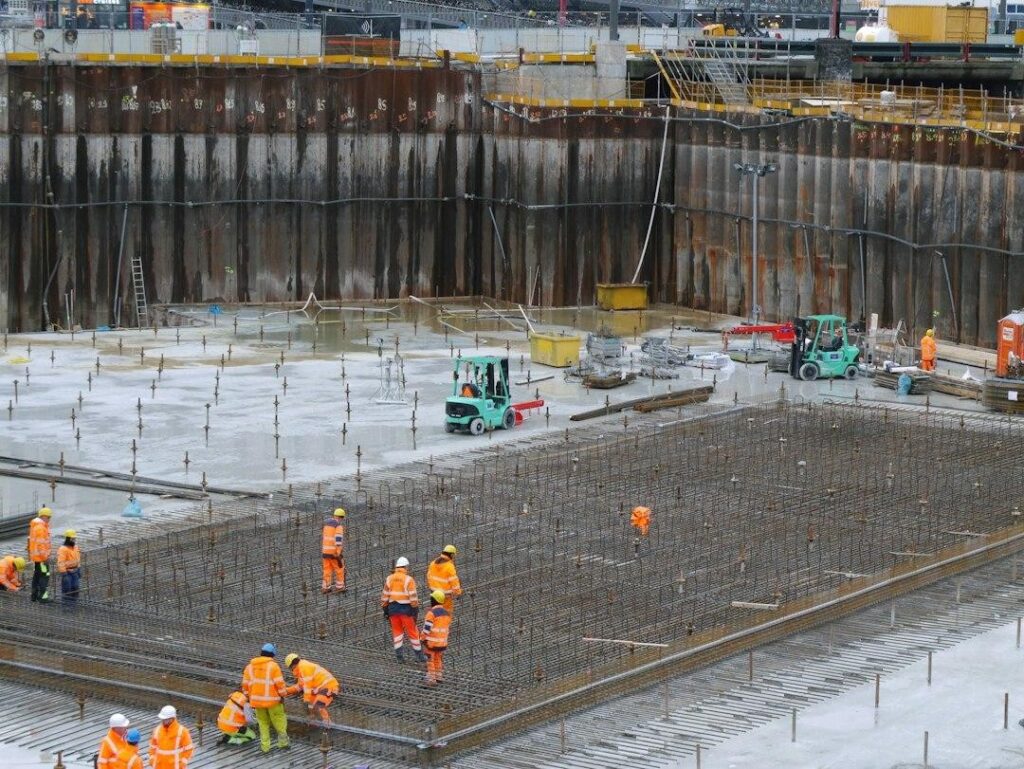
The concrete they meet in the South East looks familiar, but the rules behind it are not. On a typical week, South East Concrete Pro pours garage slabs in Keysborough, pool surrounds in Rowville and exposed aggregate paths in Cranbourne. Each of those jobs runs on Australian soil classes, Australian codes and council paperwork.
Why Does Reactive Clay Change the Slab Design?
Engineers from Maharashtra or Karnataka already know expansive ground. Black cotton soil swells in the monsoon and cracks open in summer. Melbourne’s South East has its own version in the clay soils found across many suburbs. They move less dramatically, but they still move every year.
Australia handles this through AS 2870, the standard for residential slabs and footings. A geotechnical engineer tests the site and gives it a class. Class A is stable sand or rock. Class S allows up to 20 mm of surface movement, M up to 40 mm, H1 up to 60 mm and H2 up to 75 mm. Class E covers anything beyond 75 mm.
That class drives the slab, not the builder’s habit. A house on an M site might sit on a stiffened raft with deeper edge beams. An H2 site may need waffle pods, piers or both. Indian practice on expansive soil sites often reaches for under-reamed piles instead.
How Do IS 456 and AS 3600 Differ On Site?
The two codes share a lot of engineering logic. The differences show up in the words and numbers on a docket. Five of them matter most on a South East job:
- Strength grades. IS 456 grades like M20 use 150 mm cube strength. AS 1379 grades like N25 or N32 use cylinder strength, which reads lower for the same mix.
- Exposure classes. IS 456 sets five categories, from mild to extreme. AS 3600 uses classes such as A1, A2, B1, B2, C1, C2 and U, tied to distance from the coast.
- Curing periods. IS 456 asks for at least 7 days of moist curing with ordinary Portland cement. AS 3600 sets 3 days for A1 and A2 exposure and 7 days for harsher classes.
- Reinforcement. Indian slabs usually use loose bars tied on site. Melbourne slabs on ground mostly use welded fabric such as SL72 or SL82 sheets on bar chairs.
- Supply. Plenty of Indian residential work is still site-mixed. Melbourne residential concrete arrives as ready-mix, ordered by grade and slump.
An engineer who asks for “M25” on a Dandenong docket will get a puzzled look. Order N25 or N32, and check the slump figure before the truck leaves the plant.
What Does a Dandenong Driveway Permit Involve?
Most driveway jobs in the South East cross the council nature strip. That strip belongs to the City of Greater Dandenong, not the homeowner. The council treats the crossing as public works, with its own permit and inspections.
The vehicle crossing permit costs $329 and is valid for 12 months. Applicants need $10 million in public liability cover and a dimensioned site plan. Since 1 July 2022, applications go through an online portal only. Residential crossings must be at least 3.00 m wide at the building line.
Inspections happen at set stages. Council checks the site once it is prepared, again after excavation, and once more at the end. Work without a permit can bring a fine of up to $1000. Indian contractors used to informal approvals should build these steps into the schedule from day one.
Which Finishes Suit the South East Climate?
Melbourne summers bring hot, dry northerly winds. Those days raise the risk of plastic shrinkage cracking on fresh slabs. Winters are cool and wet, so grip matters on paths and pool areas. The finish chosen has to suit both seasons.
| Finish | Common Indian use | South East Melbourne use |
| Smooth trowel | Indoor floors, then tiled | Garage slabs and shed floors |
| Broom finish | Rare on homes | Driveways and ramps for grip |
| Exposed aggregate | Limited, mostly commercial | Driveways, paths, entertaining areas |
| Non-slip textured | Pool decks in resorts | Pool surrounds at private homes |
Exposed aggregate is the big surprise for many new arrivals. It is a standard suburban choice in Melbourne, not a premium extra.
How Can Indian Engineers Get Their Skills Recognized?
Field knowledge only counts once it is recognized on paper. For migration, Engineers Australia runs the skills assessment. A few facts help with planning:
- India’s accreditation body joined the Washington Accord as a full signatory in 2014.
- Accredited degrees can use the Washington Accord pathway.
- Other degrees go through a competency demonstration report.
- The assessment list covers 31 engineering occupations across four categories.
- Standard cases generally take 15 weeks just to reach an assessor.

Concreting itself is a trade, not a professional engineering role. Many engineers start as site supervisors or estimators with local concreters. That work teaches AS 2870, council rules and ready-mix ordering faster than any course.
Five Points to Carry Onto a Dandenong Site
- Ask for the AS 2870 site class before discussing slab depth.
- Order concrete by N grade and slump, not by M grade.
- Budget for the council crossing permit and three inspections.
- Plan curing around hot northerly days, not just the calendar.
- Treat exposed aggregate as a normal suburban finish.
From Pune Pours to Keysborough Driveways
Indian site experience travels well. The physics of cement, water and steel do not change at the airport. What changes is the paperwork, the soil class and the habits of local suppliers.
Engineers who learn those three things quickly become useful on South East jobs. They can read a geotechnical report, query a docket and walk a council inspector through a crossing. That mix of Indian rigor and Melbourne process is valuable in a city where so many clients share their background.
Frequently Asked Questions
Is M25 Concrete the Same as N25 In Melbourne?
No. M25 is based on cube strength under IS 456. N25 is based on cylinder strength under Australian rules. Ask the supplier for the grade that meets the engineer’s design, not a direct name swap.
Do Dandenong Homeowners Need a Permit for a Driveway?
They need a vehicle crossing permit for the section over the nature strip. The City of Greater Dandenong fee is $329, and the permit lasts 12 months.
What Soil Class Is Common In South East Melbourne?
It varies street by street. Many clay sites fall in class M or H1 under AS 2870. Only a site test by a geotechnical engineer gives a reliable answer.
Can Indian Civil Engineers Work On Melbourne Concrete Sites?
Yes, many do. Recognition for migration runs through Engineers Australia. Hands-on work with a local concreter is often the fastest way to learn Victorian practice.






