
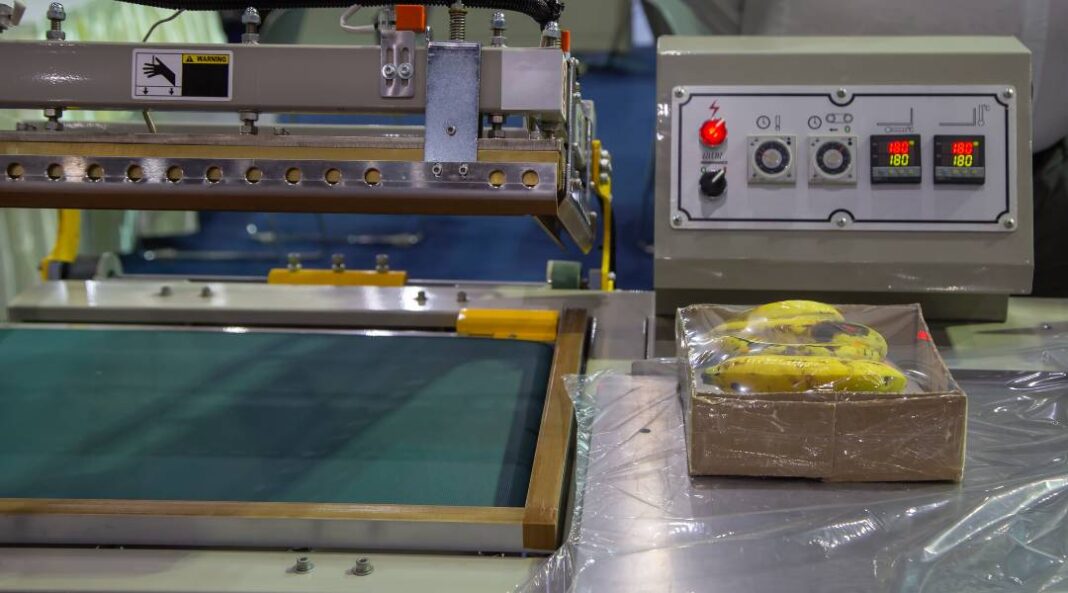
Food manufacturers in Texas manage food-grade shrink wrap requirements to protect product integrity, prevent contamination, and maintain compliant packaging operations.
Local requirements can affect industrial packaging workflows at different stages, from inspection protocols and documentation to storage practices suited to Texas operating conditions.
These requirements make material sourcing, labeling, training, and equipment selection important considerations for facilities using shrink wrap in food packaging operations.
State-Specific Food Contact Material Approvals
Texas facilities handling food grade shrink wrap for industrial packaging must account for applicable FDA requirements and any relevant state requirements. Under the Federal Food, Drug, and Cosmetic Act, materials that contact or may migrate into food generally require an applicable authorization unless an exemption, such as Generally Recognized as Safe status, applies.
Facilities should maintain current documentation for materials used in production and verify that supplier records support the intended food-contact application. Changes involving resins, additives, or other film components may also require updated documentation.
Differences in Local Inspection Protocols
Inspection requirements can vary based on facility operations, products handled, and applicable regulatory programs. Facilities using high-throughput packaging equipment should maintain documentation that supports consistent sanitation and material handling practices.
- Frequency of on-site visits can vary according to facility type, production activities, and applicable inspection programs.
- Risk-based testing may place additional attention on surfaces and equipment areas where contamination could occur during packaging operations.
- Equipment audits can require traceable records covering configuration, maintenance, sanitation, and relevant component documentation.
These practices help facilities maintain records that correspond with actual production conditions.
Texas Facility Certification Requirements
Facility certification and licensing requirements can involve both state and federal oversight. Plants using food-grade shrink wrap should document applicable food-contact requirements, Good Manufacturing Practices, equipment maintenance, and sanitation procedures.
Equipment such as sealing machines and conveyor machines should have traceable maintenance records that support consistent operation and sanitary handling. Production teams should also maintain documentation for equipment specifications and applicable certifications.
Labeling and Traceability for Food-Grade Wrap
Labeling and traceability support compliance and help facilities identify materials and products throughout the packaging process.
- Lot coding should allow packaged products to be traced to relevant production records.
- Production dates and other required information should remain clear and legible throughout handling and storage.
- Food-contact material records should correspond with supplier documentation, including applicable material specifications and safety information.
- Electronic traceability systems can help connect packaging records with individual production stages and equipment.
Storage Guidelines Unique to Texas Conditions
Facilities handling food-grade shrink wrap for industrial packaging should establish storage practices based on the material specifications, packaged product requirements, and applicable food-safety procedures.
Clear labeling and appropriate storage conditions help protect packaged products from damage or contamination. Materials should also be stored according to supplier requirements for temperature, moisture, and handling.
Equipment integration can further support consistent packaging workflows by reducing manual handling and maintaining repeatable sealing and conveying processes.
Worker Training Mandates in Texas Plants
Worker training supports both employee safety and product integrity in packaging operations. Facilities should document training related to equipment operation, material handling, sanitation procedures, and emergency response.
- Annual or recurring training can help confirm that employees understand applicable safety and operating procedures.
- Equipment-specific instruction should cover the actual sealing machines, conveyor machines, filling machines, and other equipment used at the facility.
- Emergency procedures should be documented and practiced according to applicable workplace and facility requirements.
Material Sourcing Rules for Texas Compliance
Supplier documentation plays an important role in food-grade shrink wrap compliance. Buyers may require a current Certificate of Analysis, Declaration of Compliance, material specifications, and applicable migration-testing information before approving packaging materials.
Material selection should match the actual operating environment. Hot-fill applications, cold storage, moisture exposure, and other production conditions can require different film specifications.
Maintaining current sourcing documentation helps reduce procurement delays and supports traceability throughout the packaging workflow.
Texas food packaging operations must account for applicable state and federal requirements when selecting materials and equipment. Proper documentation, compatible equipment, and consistent operating procedures support product integrity and reliable production.
Technopack provides industrial packaging equipment and U.S.-based support for facilities requiring dependable solutions across filling, sealing, conveying, and related packaging processes.






