
As the construction industry increasingly focuses on sustainability, energy efficiency, and reducing environmental impact, traditional building materials are gaining renewed attention. Among these, rammed earth has emerged as one of the most sustainable and durable construction techniques. Used for thousands of years across different civilizations, rammed earth combines natural soil with modern engineering techniques to create strong, attractive, and environmentally responsible buildings.
What is Rammed Earth Technique?
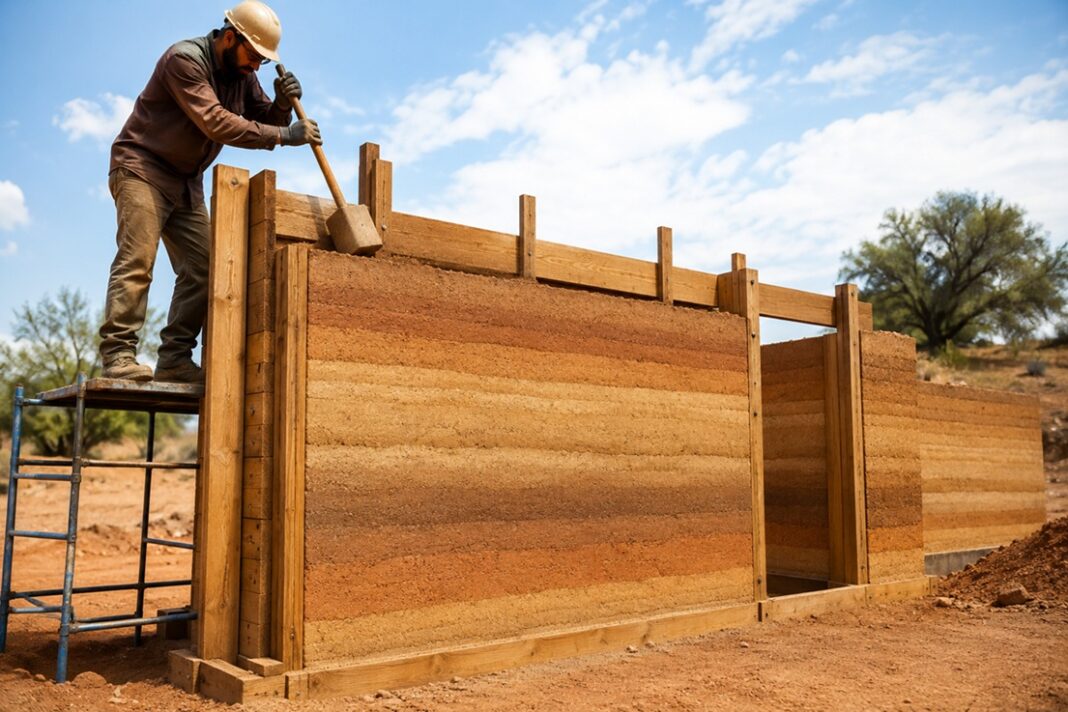
Rammed earth is a construction technique in which a carefully selected mixture of soil is compacted inside temporary formwork to create solid walls. The process involves placing the soil mixture in layers and mechanically or manually compressing each layer until it becomes dense and structurally stable.
Unlike traditional mud construction, rammed earth walls are highly compacted, making them considerably stronger, more durable, and more resistant to weathering. Depending on structural requirements and local soil characteristics, stabilizers such as cement or lime may be added to improve strength and moisture resistance.
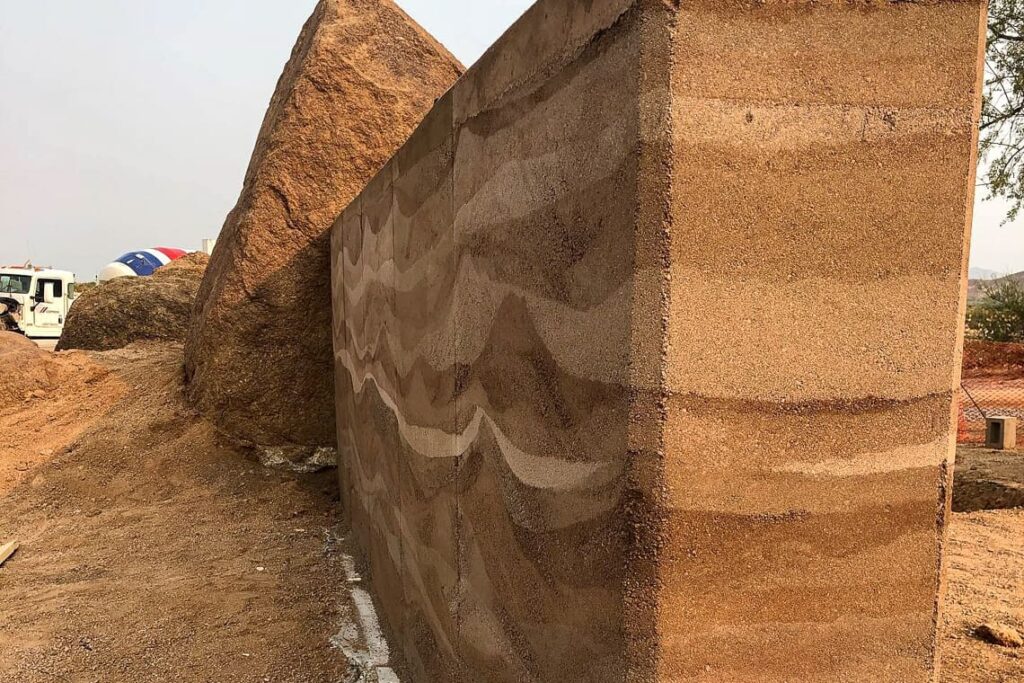
The finished walls display natural layers of earth, giving each structure a unique appearance while maintaining excellent structural and thermal properties.
Composition of Rammed Earth
The quality of rammed earth depends largely on selecting an appropriate soil mixture. An ideal mix typically contains:
- Sand for strength and stability
- Gravel for structural support
- Silt to improve compaction
- Clay to bind the particles together
- Water for proper moisture during compaction
- Cement or lime (optional) for stabilization
Properties of Rammed Earth
- High Density: Compacted earth creates dense and strong walls capable of supporting significant structural loads.
- Thermal Mass: Stores heat during the day and releases it slowly at night, helping regulate indoor temperatures and reducing dependence on mechanical heating and cooling systems.
- Fire Resistance: Made primarily from mineral-based materials, rammed earth is naturally non-combustible and provides excellent resistance to fire.
- Acoustic Performance: The high density of rammed earth walls helps reduce sound transmission, creating quieter and more comfortable indoor spaces.
- Moisture Regulation: Rammed earth walls can absorb and release moisture, helping maintain balanced indoor humidity levels when properly designed and protected from prolonged water exposure.
Construction Process
1. Soil Selection
Construction begins with identifying suitable soil. The soil should contain the correct balance of sand, gravel, silt, and clay while avoiding excessive organic matter.
2. Material Preparation
The soil is screened to remove stones, roots, and debris. If necessary, stabilizers such as cement or lime are added, and water is mixed to achieve the desired moisture content.
3. Formwork Installation
Temporary formwork is erected on both sides of the proposed wall. These forms determine the wall’s thickness, alignment, and dimensions.
Modern formwork systems are designed to withstand the high pressure generated during compaction while ensuring accurate wall geometry.
4. Layer Placement
The prepared soil is placed inside the formwork in layers, generally between 100 mm and 150 mm thick.
5. Compaction
Each layer is compacted using pneumatic rammers, mechanical compactors, or manual tools until its thickness is significantly reduced and a dense structure is achieved.
Compaction continues layer by layer until the required wall height is reached.
6. Formwork Removal
Once sufficient strength develops, the formwork is removed, revealing the distinctive layered texture of the rammed earth wall.
7. Finishing
Many rammed earth walls are left exposed because of their natural appearance. In some projects, breathable sealers or protective coatings are applied to improve moisture resistance while preserving the material’s texture.
Types of Rammed Earth
Unstabilized Rammed Earth
Constructed entirely from natural soil without chemical stabilizers.
Characteristics include:
- Very low environmental impact
- Excellent recyclability
- Suitable for dry climates
- Lower compressive strength than stabilized versions
Stabilized Rammed Earth
Contains cement or lime to improve performance.
Benefits include:
- Higher compressive strength
- Better moisture resistance
- Improved durability
- Greater suitability for areas with heavy rainfall
Applications of Rammed Earth
Rammed earth is increasingly being used in a variety of building projects.
Residential Homes
Its thermal efficiency, aesthetic appeal, and sustainability make it suitable for custom homes and eco-friendly housing.
Educational Buildings
Schools and universities benefit from improved indoor comfort and reduced operational energy consumption.
Commercial Buildings
Architects use rammed earth to create visually distinctive offices, retail spaces, and hospitality projects.
Cultural Centers
Museums, visitor centers, and exhibition spaces often feature rammed earth walls to showcase sustainable architecture.
Eco Resorts
Natural aesthetics blend well with surrounding landscapes, making rammed earth popular for eco-tourism developments.
Public Buildings
Government buildings, community centers, and environmental education facilities increasingly incorporate rammed earth construction.
Notable Rammed Earth Projects in India
India has a long tradition of earth-based construction, and modern architects are adapting techniques like rammed earth with contemporary design and engineering. Several projects across India showcase the use of locally sourced soil, natural materials, and sustainable construction methods.
A House Born of Four Soils – Ahmedabad, Gujarat
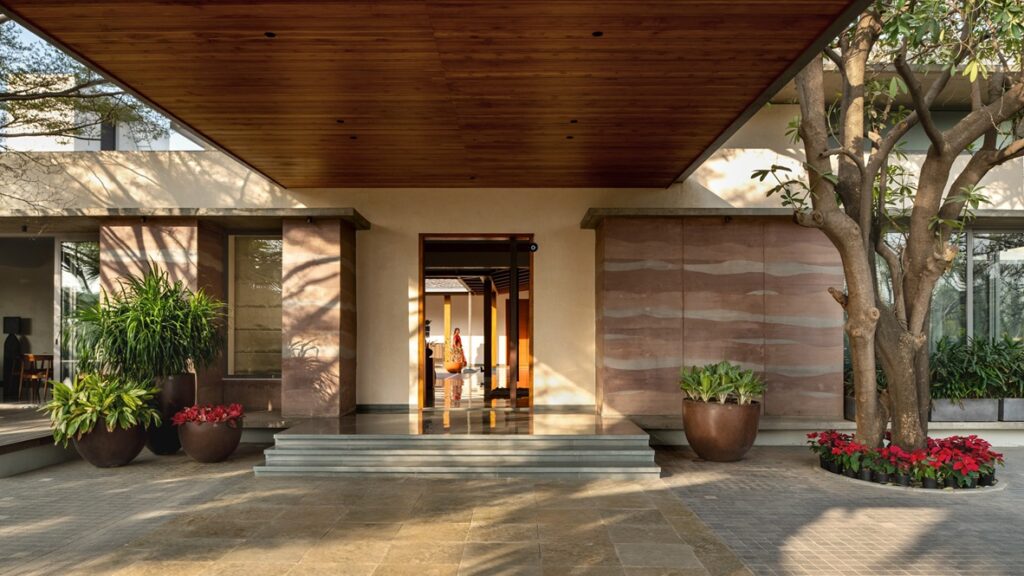
Located in Ahmedabad, A House Born of Four Soils features large rammed-earth walls created using sand collected from four different regional locations. The 790-square-meter residence showcases layered textures and natural tones while using the thermal properties of earth walls to improve indoor comfort.
Fragrance of Earth House – Betul, Madhya Pradesh
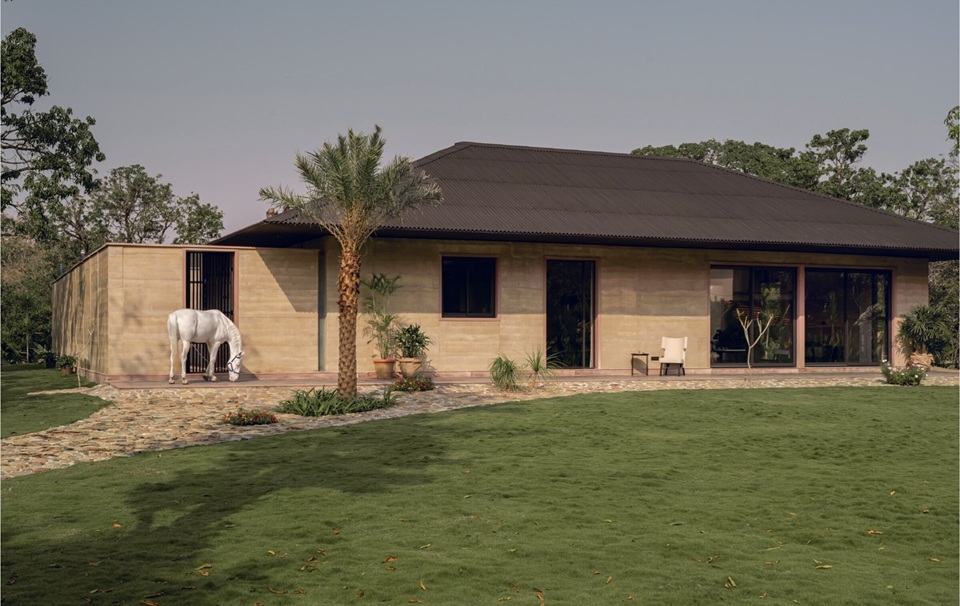
Designed by Neelesh Chopda Architecture, the Fragrance of Earth House is a sustainable farmhouse situated within a 12-acre mango orchard. The 1,800-square-foot residence combines traditional rammed-earth techniques with modern planning, offering natural insulation and a strong connection with its surroundings.
Samvada Baduku College Campus – Bengaluru, Karnataka
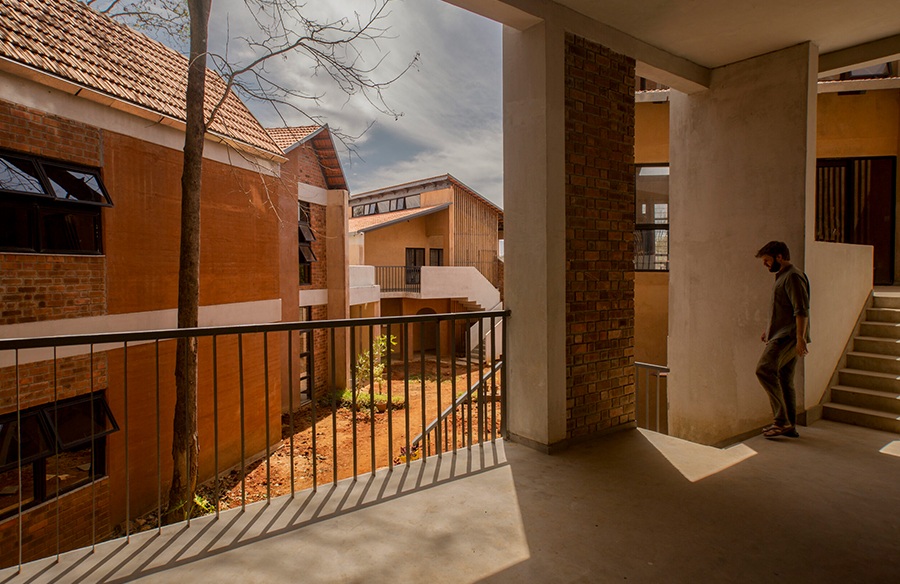
Developed by Made In Earth, the Samvada Baduku College Campus uses rammed earth, adobe blocks, and natural clay paints. The project demonstrates the use of sustainable materials in institutional buildings while improving thermal comfort and reducing environmental impact.
The Earth House – Gujarat
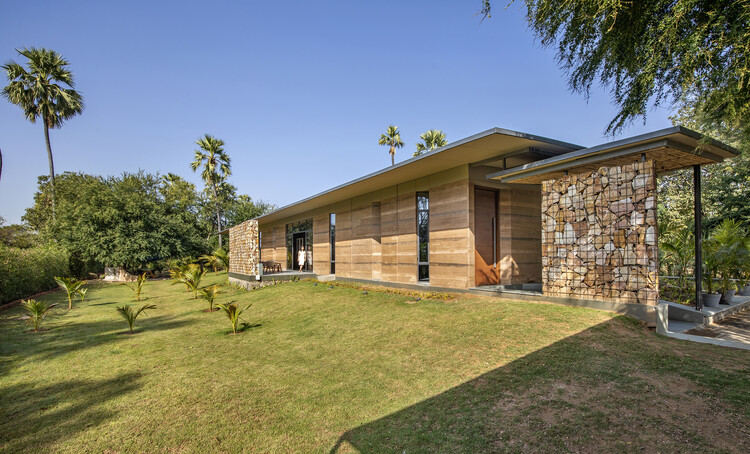
Designed by Art and Architecture Associates, The Earth House blends rammed earth construction with gabion walls to integrate the building with its farmland setting. The project highlights the durability and natural aesthetic possibilities of earth-based architecture.
Alwar Mud Home – Alwar, Rajasthan
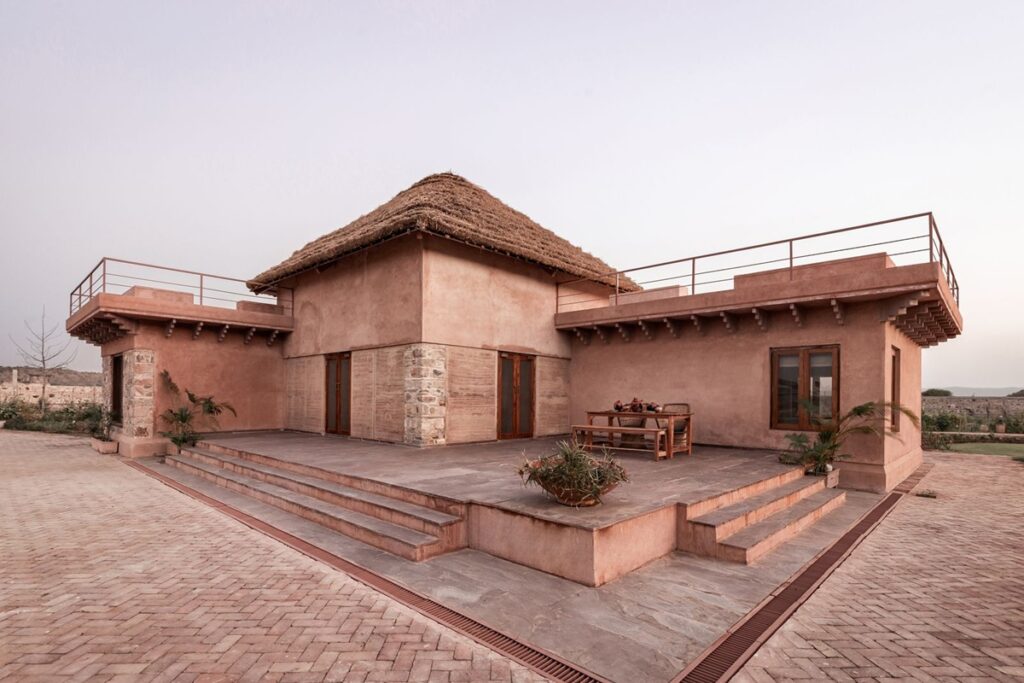
Designed by Sketch Design Studio, the Alwar Mud Home uses locally sourced mud combined with traditional natural binders such as fenugreek, jaggery, and neem. The project reflects indigenous construction knowledge while adapting earthen materials for modern living.
Suta Flagship Store – Bengaluru, Karnataka

Designed by Made In Earth, the Suta Flagship Store combines rammed earth with lime plaster and black Kadappa stone. The commercial space demonstrates how sustainable materials can be used beyond residences to create distinctive interiors and brand experiences.
Conclusion
Rammed earth represents a practical combination of traditional construction knowledge and modern engineering. Its low environmental impact, high thermal mass, durability, fire resistance, and natural aesthetic make it a compelling building material for sustainable construction. While successful implementation requires proper soil selection, skilled workmanship, and effective moisture protection, the long-term benefits can outweigh these challenges.
As the demand for greener, energy-efficient, and climate-responsive buildings continues to grow, rammed earth offers a proven solution that aligns with modern sustainability objectives. By combining locally available materials with contemporary design and engineering, it provides an environmentally responsible alternative for residential, commercial, institutional, and public infrastructure projects.
Image Credit: dezeen.com, archello.com, re-thinkingthefuture.com, archdaily.com, buildofy.com, earthlyyours.in






