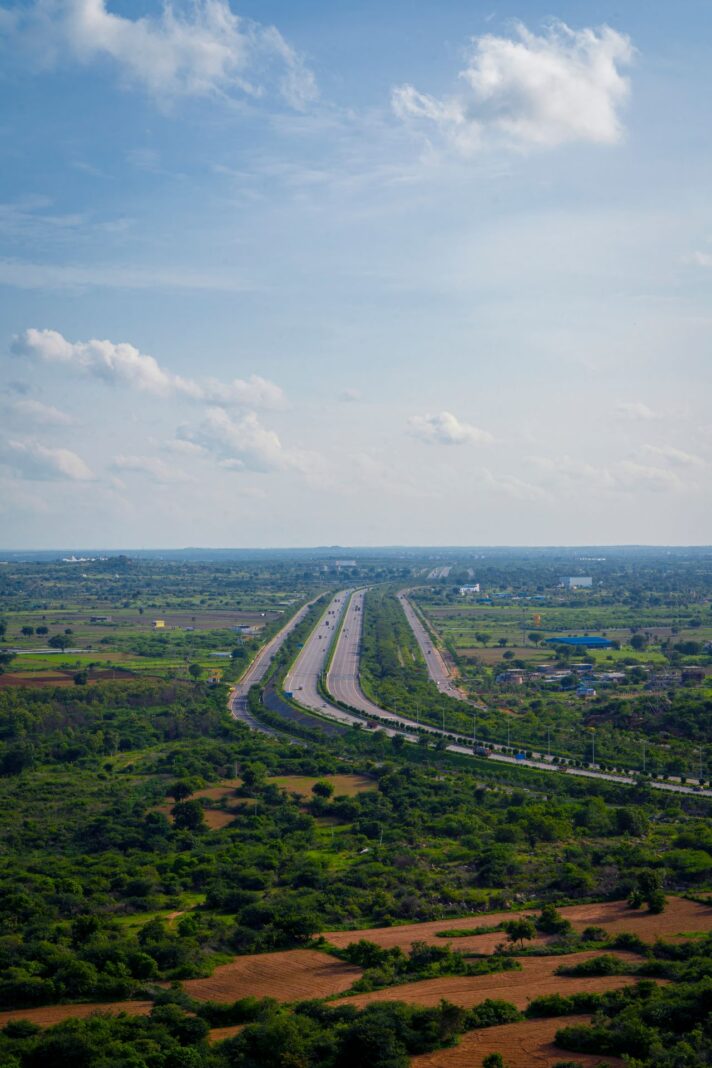
The Ministry of Road Transport and Highways (MoRTH) has introduced a special compensation mechanism to support highway developers facing sharp increases in fuel and lubricant costs due to ongoing geopolitical tensions in West Asia. The move aims to ensure that critical road infrastructure projects across the country continue without disruption despite escalating construction expenses.
According to the ministry, the new price adjustment formula will reimburse contractors for the additional costs incurred on bulk diesel, oil, and lubricants used in highway construction and maintenance activities. The scheme will initially apply to work executed between May 1 and June 30, 2026, although officials have indicated that the relief period may be extended depending on developments in global energy markets.
Fuel prices have witnessed a significant surge since the conflict intensified earlier this year. Industrial diesel prices, which were around ₹87.67 per litre before the crisis, increased substantially as global crude oil markets reacted to supply concerns. In several states, bulk diesel prices have risen to between ₹134 and ₹148 per litre, creating financial pressure on infrastructure developers and contractors.
To address this challenge, MoRTH has devised a formula that takes into account the difference between the current average bulk diesel price and the price prevailing at the time of contract award. The reference price will be based on rates published by the nearest Indian Oil Corporation refinery. This mechanism is intended to ensure that developers are fairly compensated for extraordinary fuel cost increases that were not anticipated when project bids were submitted.
The relief package covers a wide range of highway development models, including Engineering, Procurement and Construction (EPC) projects, Hybrid Annuity Model (HAM) projects, Build-Operate-Transfer (BOT) projects under construction, Performance-Based Maintenance Contracts (PBMC), Short-Term Maintenance Contracts (STMC), and item-rate contracts.
For contracts that do not contain an existing price escalation clause, including many HAM and maintenance projects, the ministry will assume that fuel and lubricants account for 10% of the project value while calculating compensation. This standardized approach is expected to simplify reimbursement procedures and provide quicker financial relief.
BOT concessionaires have also been given flexibility to choose between the newly introduced compensation mechanism and the Force Majeure provisions available under their concession agreements. However, even when Force Majeure clauses are invoked, developers will remain responsible for maintaining road safety and operational standards on toll highways.
To prevent misuse, contractors seeking reimbursement must submit original invoices for bulk diesel purchases from authorized public sector oil companies. The ministry believes this verification process will ensure transparency and accountability.
The latest relief measure follows a similar intervention by MoRTH to compensate contractors for a steep rise in bitumen prices, another key input in road construction. Together, these initiatives reflect the government’s commitment to safeguarding infrastructure development from global commodity price shocks.