
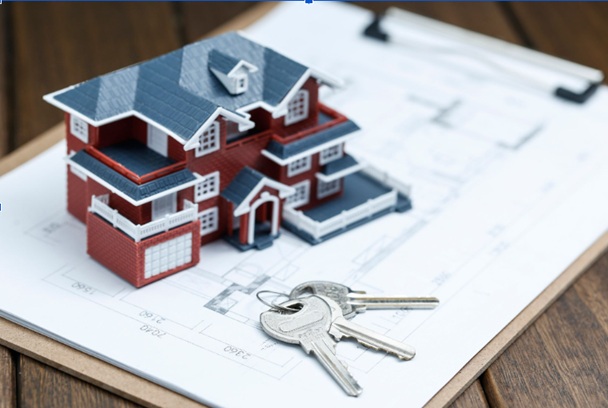
In 2026, housing availability, technology, population shifts, and financing costs will all influence the real estate market. Tracking these factors can help developers, buyers, and investors make more secure and profitable choices.
Now, the real estate sector has the potential for revolutionary expansion as 2026 approaches, led by opportunity, innovation, and resilience. People now have access to improved infrastructure, and regulations have been simplified.
Still, understanding real estate trends in 2026 is important for making wise decisions, whether you are a homebuyer, investor, or industry buyer. Let’s simplify and clearly explore the major trends shaping real estate and property valuation in 2026.
Top Real Estate Trends That Will Shape Property Markets in 2026
From a wider angle, the real estate sector has seen multiple fundamental shifts. 2026 is when a lot of these changes come together. Explore real estate trends that will shape property markets in 2026:
Planning with a Human Focus
The most important real estate trends for 2026 all revolve around one concept: planning that respects the individuals who will occupy a space. This leads to a room that feels spacious and waste-free. It represents calm, sunshine, and air. It refers to a design that honors rhythms and routines rather than upsetting them.
Multipurpose Areas
Present-day living is adaptable. Lunch tables can be used as workstations. Balconies can be transformed into peaceful study spaces. Residential areas that are flexible enough to accommodate various life cycles are in high demand.
This is mirrored in layouts that enable rooms to have multiple uses, which is one of the current trends in real estate.
Large Developments and Connected Townships
The next real estate cycle is expected to be characterized by large, interconnected townships. These developments provide social infrastructure, housing, retail, and open areas all within one community.
It is expected that township-led growth will pick up speed in 2026, along with growing corridors and metro peripheries, lowering dependency on distributed independent projects, and raising living standards.
Luxury as a Trend in Structure
There is no longer a seasonal trend toward premium housing. In 2025, a larger portion of the overall sales value was made up of residences priced in higher categories. In 2026, it is expected that it will grow as more purchasers look for residences that accommodate long-term residency, flexible work schedules, and lifestyle requirements.
This trend will probably be most advantageous to developers who focus on good layouts, high-quality materials, and detailed community planning.
Sustainable Living
Sustainability extends beyond energy efficiency. Sustainability includes ideas like water conservation, waste reduction, ecologically conscious landscaping, and the use of natural-feeling materials.
Respect for land is a key principle in real estate expansion, ensuring the land is used responsibly.
Balanced Work-Life Alignment
The home is becoming more than just a bedroom as more and more people are working from home or balancing their busy schedules between home and the office. It improves ease of use, flexibility, and focus.
This concept has been the basis for designs that include open areas for socializing and coworking spaces. Nowadays, your house can serve as both a workplace and a place of comfort.
Inventory Levels and Housing Supply
In 2026, housing supply will be an important indicator. Due to delayed building during previous economic disruptions, many areas continue to have shortages.
Building permits, labor availability, and land use regulations all have a major effect on supply. Zoning regulations are used by local authorities to regulate development. These regulations specify the locations and densities at which dwellings can be constructed.
The Impact of Technology on Real Estate Markets in 2026
The real estate market is changing more quickly than ever via technology. Digital tools are enhancing transparency, accuracy, and efficiency.
The application of artificial intelligence to property analysis is one major trend. AI algorithms can identify investment possibilities, assess risk, and forecast price patterns.
Big data is another important technology. Nowadays, real estate firms get a lot of data regarding:
- Consumer behavior
- Market rates
- Trends in the neighborhood
- Economic activity
Furthermore, blockchain technology is also becoming more popular in shaping property markets in 2026. Blockchain technology enables transparent and safe real estate transactions. It makes ownership records simpler and less misleading.
2026 will see a further increase in the use of technology. Businesses will run more smoothly and provide better customer service if they invest in digital infrastructure.
Conclusion
These are not just trends in real estate. They stand for comfort, ease, and connectivity, and the things that are genuinely significant to individuals in real life. These trends might help guide your choice, whether it’s your first or next house. While real estate is always evolving, there is always an increasing need for houses that provide a more balanced way of life.






