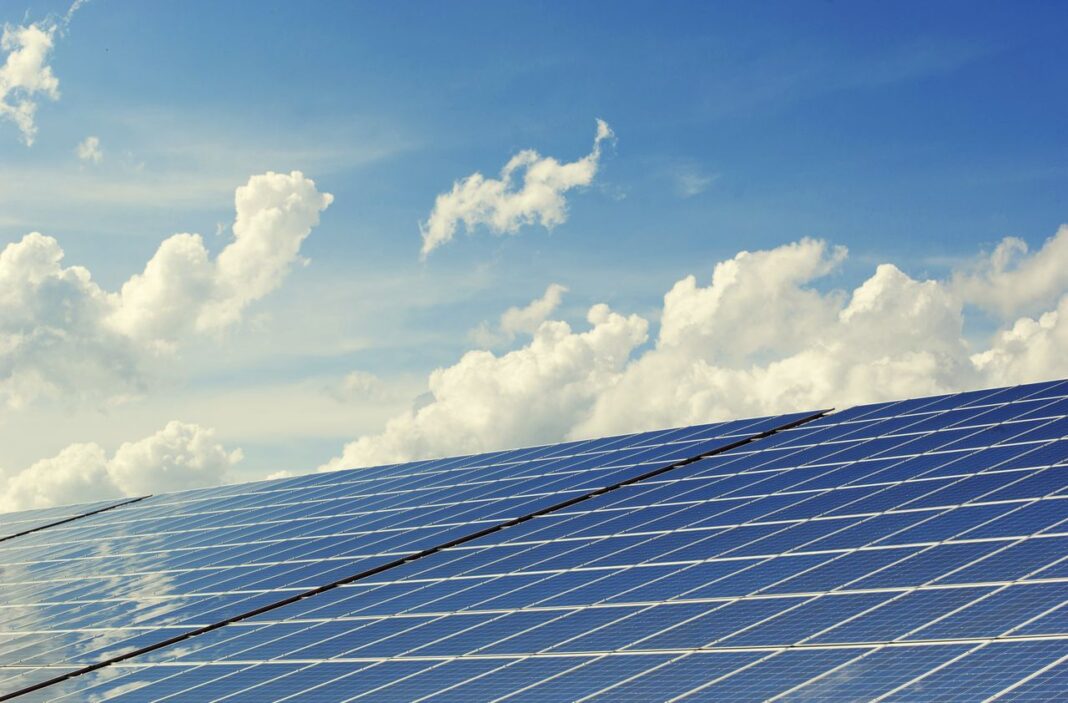
The World Bank has approved an $890 million financing package to support India’s PM Surya Ghar: Muft Bijli Yojana, strengthening the country’s efforts to expand rooftop solar adoption and accelerate the transition to clean energy. The initiative is expected to benefit 10 million rural and urban households while creating an estimated 1.7 million jobs across the renewable energy value chain.
The financing package comprises an $820 million loan from the International Bank for Reconstruction and Development (IBRD), a $60 million concessional loan from the Clean Technology Fund, and a $10 million grant from the IBRD Livable Planet Fund. In addition to this direct support, the World Bank will help mobilise approximately $4.2 billion in private commercial financing, enabling households to access affordable loans for rooftop solar installations.
The programme addresses one of the key challenges in India’s renewable energy sector, where utility-scale solar capacity has grown rapidly, but residential rooftop adoption has lagged due to financing and implementation barriers. By promoting collateral-free loans and improving access to credit, the scheme aims to make rooftop solar more affordable for households across the country.
The initiative also includes capacity-building measures for distribution companies (DISCOMs), financial institutions, and solar vendors to strengthen project implementation, improve service delivery, and streamline consumer adoption. The programme is expected to support domestic manufacturing of rooftop solar equipment while encouraging wider participation from the private sector.
PM Surya Ghar: Muft Bijli Yojana forms an important part of India’s clean energy strategy, helping reduce household electricity expenses while increasing the share of renewable energy in the country’s power mix. The programme also supports India’s long-term climate goals, including achieving net-zero emissions by 2070 and increasing the contribution of non-fossil fuel-based energy to 60 per cent of electricity generation by 2035.
The World Bank’s financial support is expected to accelerate residential solar deployment, strengthen the clean energy ecosystem, and expand access to affordable, sustainable electricity for millions of Indian households.