Door hardware can look like a finishing decision when viewed on a completed project, yet many of the choices behind it need attention much earlier. Door dimensions, handing, preparation, hardware compatibility, visible trim, and finish can all affect the final result. Systems such as multi point door hardware make early coordination especially relevant because the visible hardware forms one part of a larger door assembly. Bringing these details into the design conversation at the right stage helps the project team create doors that work with the architecture as a whole.
Start While the Door Package Is Taking Shape
Hardware planning works best when the basic door conditions are already understood, but there is still time to coordinate them. The team should know the intended door type, dimensions, thickness, handing, and general hardware requirements. These details create the framework for later decisions and help designers understand which options suit the opening.
Waiting until the door package is nearly complete can limit those choices. Early discussion gives architects, designers, door suppliers, hardware specialists, and builders an opportunity to identify requirements while changes remain manageable. It also helps keep the visible hardware connected to the original architectural intent.
Treat the Door and Hardware as One Assembly
A door may appear simple in an elevation, but the finished opening contains several related components. The door leaf, frame, hardware, visible trim, and surrounding materials all contribute to the result. Looking at them as one assembly can reveal relationships that are easy to overlook when each item is specified separately.
This approach is especially useful for prominent entry doors and other substantial openings. The scale of the hardware should relate to the door, while the finish and form should support nearby materials. Coordinating these elements together creates a clearer basis for both technical and aesthetic decisions.
Confirm the Basic Conditions Early
Specialized hardware often depends on specific information about the door and its preparation. Handing, door thickness, backset, dimensions, and other conditions can affect compatibility. The exact information required will vary by product and door system, so teams should confirm it with the relevant manufacturer and supplier.
Gathering these details early also improves communication. Instead of relying on assumptions, each party can work from the same set of project conditions. Architects can protect the design intent, suppliers can verify compatibility, and builders can understand what the door package is expected to include.
Coordinate Visible Hardware With the Architecture
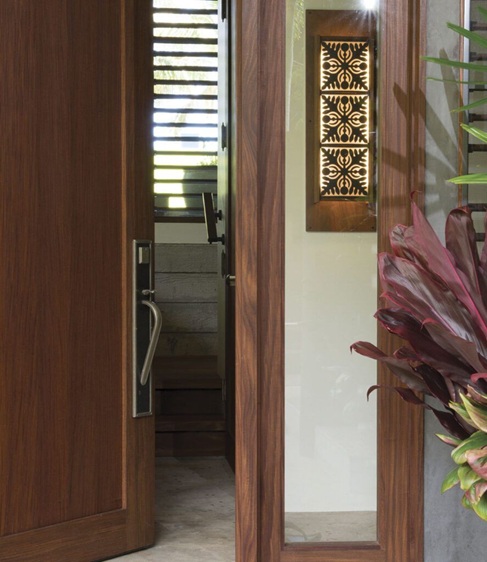
Technical compatibility is only part of the specification. Handles, escutcheons, and other visible elements become part of the finished elevation, often in areas that people see and touch at close range. Their proportions and material character deserve the same design attention as other architectural details.
A large timber entry door, for example, may call for hardware with enough presence to feel balanced against its scale. A quieter contemporary opening may benefit from more restrained forms. Designers can also consider how the hardware relates to nearby lighting, metalwork, cabinetry, and other repeated details throughout the project.
Review Finish as More Than a Color
Hardware finish can influence the relationship between a door and the materials around it. Color matters, but so do sheen, texture, surface variation, and the character of the underlying material. These qualities can become especially visible on hardware that people encounter at close range.
Physical samples are useful during this stage. They allow the team to compare hardware with timber, stone, paint, plaster, and other finishes under the actual lighting conditions planned for the project. This gives designers a more reliable view of the relationship than digital images alone can provide.
Build Clear Information Into the Hardware Schedule
A hardware schedule does more than organize product references. It can become a useful coordination document that connects each opening with its intended hardware, finish, and related requirements. Clear schedules also make it easier for different members of the project team to review the same information.
Consistency matters here, especially on larger projects with many door types. Naming conventions, opening references, finish descriptions, and relevant dimensional information should remain clear throughout the documentation. When changes occur, the team can then identify which openings and related components may be affected.
Give Prominent Doors More Attention
Not every door carries the same architectural importance. A primary entrance, large terrace door, or opening within a major public space may have a stronger visual role than a secondary interior door. These locations often deserve closer study because their hardware becomes part of an important architectural moment.
Mock-ups and samples can help the team assess scale, grip, finish, and visual balance before final decisions are made. For significant openings, reviewing the hardware in relation to the actual door material can reveal issues that are difficult to judge from drawings. This step also gives designers an opportunity to refine details while options remain open.
Keep Coordination Active Through the Project
Early specification does not mean the hardware conversation ends once a selection is made. Door conditions can change as a project develops, and revisions to dimensions, materials, or construction details may affect earlier decisions. The project team should keep the hardware package connected to those changes.
Clear communication helps preserve that connection. Architects, designers, suppliers, fabricators, and builders each hold different parts of the information needed to deliver a resolved opening. Sharing updates at the right time can prevent the final hardware from becoming disconnected from the door it was selected to serve.
Make Early Decisions Support the Finished Detail
The best door hardware specifications often appear effortless when the project is complete. The hardware feels proportional, the finish belongs with the surrounding materials, and the opening works as a coherent part of the architecture. Achieving that result depends on decisions made well before the final pieces arrive on site.
Bringing hardware into the design conversation early allows technical requirements and architectural intent to develop together. It gives the project team time to verify conditions, study visible details, review materials, and coordinate documentation. The result is a door package in which the hardware feels planned from the beginning rather than added at the end.