If you manage a manufacturing or industrial facility, you already know that controlling airborne dust is not optional. It is a matter of worker safety, regulatory compliance, and long-term operational efficiency. The question most facility managers face is not whether to invest in industrial dust collection, but which type of system actually makes sense for their operation.
Two of the most common approaches are portable dust collectors and centralized dust collection systems. Each has real advantages and genuine limitations. Choosing the wrong one for your facility can cost you in performance, maintenance headaches, and even compliance issues down the road.
This post breaks down both options so you can make a more informed decision for your specific environment.
Understanding the Basics
Before comparing the two, it helps to understand what each system is designed to do.
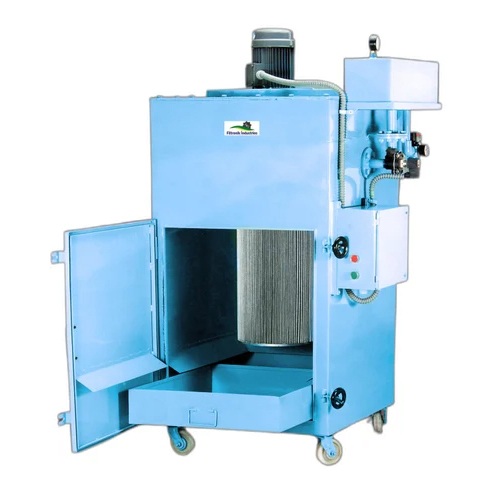
Portable dust collectors are standalone units that can be moved from one location to another. They are typically connected directly to a single machine or work area and capture dust at the source. Because they are self-contained, they require no permanent ductwork and can be repositioned as your production floor changes.
Centralized dust collection systems are fixed installations that use a network of ductwork and hoods to pull contaminated air from multiple collection points across a facility. A single large collector, or a series of collectors, processes all of that air in one place. These systems are engineered for the specific demands of a facility and are generally designed to handle higher volumes and more complex airflow requirements.
Both approaches collect dust. The difference is in how, where, and at what scale they do it.
When Portable Dust Collectors Make Sense
Portable units are a practical solution in a number of common facility scenarios. Here are the situations where they tend to perform well.
Smaller operations or limited floor space. If your facility has a compact layout or only a few dust-generating processes, a portable unit can handle the load without the cost and complexity of a full centralized installation.
Flexible or changing workstations. Some facilities rearrange their production floor regularly or run different processes in different areas depending on the job. A portable collector can follow the work. When the process moves, the collector moves with it.
Targeted source capture at a single machine. For facilities where dust generation is concentrated at one or two specific pieces of equipment, a portable unit placed directly at the point of capture is often the most efficient and cost-effective option.
Supplemental collection needs. Even facilities with centralized systems sometimes run into coverage gaps. A portable unit can fill in where permanent ductwork does not reach, particularly in areas that were added after the original system was designed.
Budget constraints or phased investments. Portable collectors generally have a lower upfront cost than centralized systems. For facilities that are early in their dust control planning, they can serve as a starting point while a more comprehensive solution is developed.
That said, portable systems do have real limitations. Units that are moved frequently tend to wear faster. Filters require regular maintenance, and when a portable unit is not positioned correctly or is neglected, its effectiveness drops significantly. If you are relying on multiple portable units to cover a large facility, you may also be creating inconsistent air quality across the floor, which makes compliance harder to demonstrate.
When a Centralized System Is the Better Investment
Centralized dust collection is typically the right call for facilities with higher volumes, multiple dust sources, or more demanding regulatory requirements. Here is where these systems tend to outperform portable alternatives.
High-volume dust generation across multiple processes. When you have several machines or work areas all generating dust simultaneously, a centralized system is designed to manage that combined load. A portable unit at each machine is not always a realistic or efficient solution at scale.
Consistent air quality throughout the facility. A well-designed centralized system pulls contaminated air from every connected point in the facility, which creates more consistent and predictable air quality. This is especially important for facilities trying to maintain compliance with air quality standards.
Cleaner facility layout. Centralized systems keep hoses, units, and equipment off the production floor. That means fewer trip hazards, more usable floor space, and a generally cleaner working environment. In industries where floor organization directly affects throughput, this matters.
Long-term cost efficiency. The upfront investment in a centralized system is higher, but over time, centralized systems often carry lower operating costs per unit of air cleaned. Maintenance is concentrated in one location, filter changes are more systematic, and energy use can be optimized across the entire system rather than managed unit by unit.
Processes that generate hazardous or combustible dust. Certain materials, like fine metal particles, wood dust, or chemical powders, present explosion or fire risks if not properly handled. Centralized systems can be engineered with the appropriate explosion venting, fire suppression features, and material handling components to meet NFPA and other safety standards. Portable units are generally not designed for these applications.
The Factors That Should Drive Your Decision
When evaluating which approach fits your facility, work through these key questions.
How many dust sources do you have? One or two machines is a different problem than a facility with a dozen or more process points.
How consistent is your production layout? If your floor plan is stable year over year, a centralized system is easier to justify. If it changes frequently, portability has real value.
What type of dust are you dealing with? Material properties matter. Particle size, moisture content, combustibility, and concentration all affect which type of system can safely and effectively manage your specific dust.
What are your compliance requirements? OSHA, NFPA, and industry-specific regulations may have direct influence on the type of collection system your facility needs. Know your obligations before you make a purchasing decision.
What is your maintenance capacity? Centralized systems require scheduled maintenance, but it is typically performed in one place. If you have limited maintenance personnel, that concentrated approach may actually be easier to manage than multiple portable units scattered across your facility.
What is your growth plan? A portable system that works fine today may not scale well as your operation expands. A centralized system can often be designed with future capacity in mind.
A Combined Approach Is More Common Than You Might Think
It is worth noting that many facilities do not use exclusively one approach or the other. A centralized system handles the primary collection points, while one or two portable units cover supplemental or temporary work areas. This kind of layered approach can give you coverage flexibility without asking your central system to do more than it was designed for.
The key is intentional design. Problems tend to arise when dust collection is treated as an afterthought, addressed piece by piece as issues come up rather than planned as part of the facility’s overall air quality strategy.
Getting It Right the First Time
Both portable and centralized dust collection systems can perform well when they are properly matched to the application. The mistake most facilities make is choosing based on upfront cost alone or simply replicating what a neighboring facility does without accounting for their own process differences.
A proper dust control strategy starts with understanding your specific dust sources, volumes, materials, and layout. From there, the right system type becomes much clearer.
Whether you are evaluating your first dust collection setup or looking to upgrade an existing system that is no longer keeping up, working with a qualified industrial air quality specialist is the most reliable way to make sure your investment delivers the safety, compliance, and performance your facility actually needs.