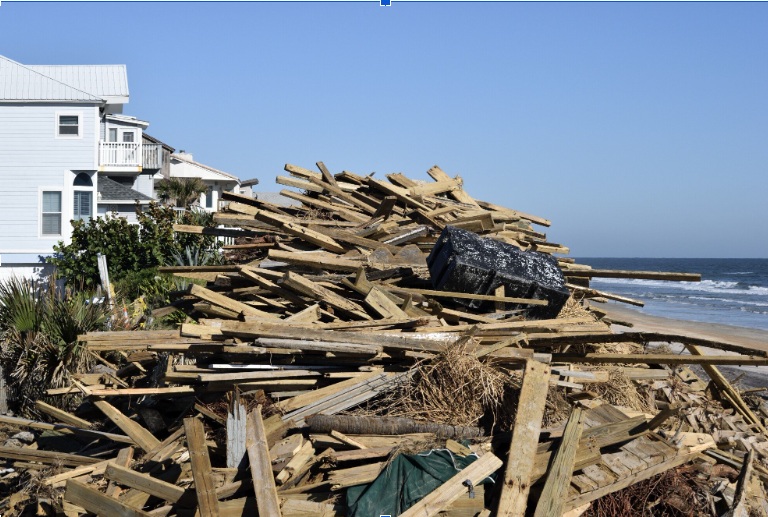
When severe weather breaches your commercial roof, curtain walls, or drainage systems, every hour of standing water puts your entire operation at risk. Trapped moisture seeps into structural assemblies, electrical conduits, and HVAC ducts, turning a localized leak into a building-wide shutdown.
Your speed during the initial mitigation phase decides whether you unlock your doors in a few days or stay shuttered for months. Acting immediately stabilizes your building envelope and stops minor water intrusion from becoming a catastrophic rebuild.
Why Does the 24 to 48 Hour Window Decide Your Reopening Timeline?
Water does not sit still inside a large commercial footprint. Within minutes of a breach, porous materials like drywall, acoustic ceiling tiles, and carpet padding wick moisture upward through capillary action. If you delay extraction past the first day, trapped water saturates subflooring, insulation, and structural framing.
According to TDS, launching initial water removal within the first 24 to 48 hours prevents severe short- and long-term damage to your building structure. Waiting longer allows humidity levels to spike across open floor plans, causing wood framing to swell and metal fasteners to corrode.
Microbial spores begin colonizing damp surfaces within two days. Once mold spreads behind walls or inside ductwork, your team faces strict containment protocols, air quality testing, and full material demolition instead of simple surface drying.
How Do Facility Managers Coordinate Rapid Stabilization?
Managing a water-damaged commercial property requires immediate triage before you even think about cosmetic repairs. You need a clear chain of command that connects emergency responders, facility engineers, and restoration specialists the moment the storm clears.
Establishing this coordination early keeps safety hazards under control while crews map out the damage. When your team aligns post-storm extraction with long-term structural planning, you streamline property damage recovery and avoid expensive delays between project phases. Having one unified workflow prevents contractors from tearing out materials twice or waiting weeks for engineering sign-offs.
Immediate Site Safety and Isolation
Before crews step inside a flooded facility, your engineering team must verify that the structure and utilities are safe. Follow these core steps to secure the perimeter:
- Shut down compromised utilities: Cut electrical power to flooded zones and close main gas or water valves if pipe bursts accompany the storm damage.
- Isolate breached exterior envelopes: Install temporary roof tarps, board up shattered curtain walls, and sandbag low-lying loading docks to stop ongoing water entry.
- Document pre-mitigation conditions: Capture timestamped photos and video walkthroughs of standing water and damaged inventory to support your commercial insurance claim.
What Technical Workflows Stabilize Commercial Interiors?
Drying a 100,000-square-foot warehouse or multi-story office tower takes more than standard fans and mops. Commercial mitigation teams rely on industrial equipment and diagnostic imaging to pull hidden moisture out of dense building materials.
Technicians start by scanning walls, ceilings, and concrete slabs with infrared thermography cameras and non-invasive moisture meters. Thermal imaging reveals cold spots where water hides behind intact drywall or beneath commercial vinyl flooring. Crews log baseline temperature and relative humidity readings across every affected zone so they can track drying progress daily.
How Does Delayed Mitigation Inflate Reconstruction Scope?
Skipping early stabilization forces your facility into a much longer, more expensive construction cycle. Data from Angi shows that while minor water damage restoration takes just 24 to 48 hours, severe flooding involving structural issues and mold growth can drag out timelines for up to six months.
When moisture lingers inside wall cavities, gypsum board loses its structural integrity and crumbles. Electrical panels exposed to high humidity develop hidden oxidation on busbars and breakers, forcing electricians to replace entire switchgear assemblies. What could have been a three-day drying job quickly balloons into a multi-month gut renovation requiring municipal permits and architectural redesigns.
When Do You Transition From Drying to Permanent Reconstruction?
Rushing to hang new drywall or lay fresh flooring over damp framing traps residual moisture, guaranteeing warped finishes and future mold outbreaks. Your mitigation lead should provide daily psychrometric logs showing steady drops in wood moisture equivalent readings and ambient humidity. Once every zone hits its target dry standard, crews remove containment barriers and dehumidifiers.
General contractors step directly into the stabilized space to replace damaged insulation, hang drywall, reinstall ceiling grids, and restore mechanical systems. Because the underlying structure is already dry and sanitized, trades can work without halting for unexpected remediation.
How Can You Prepare Your Facility Before the Next Storm Hits?
Waiting until water pours through your roof leaves your team scrambling for available contractors during regional disasters. Building an emergency response plan today gives you priority access to equipment and labor when severe weather strikes your area.
Map out your building’s main utility shutoffs, roof drains, and critical server or inventory zones in a digital facility binder. Pre-approve a commercial restoration partner so legal and procurement reviews do not stall emergency dispatch. Taking these steps now ensures you control the clock when the next storm tests your building.
Immediate moisture stabilization stops cascading structural damage and protects your indoor air quality before minor leaks turn into major rebuilds. By prioritizing rapid extraction and controlled drying within the first 48 hours, you compress your commercial reopening timeline and get your tenants and operations back to work safely.