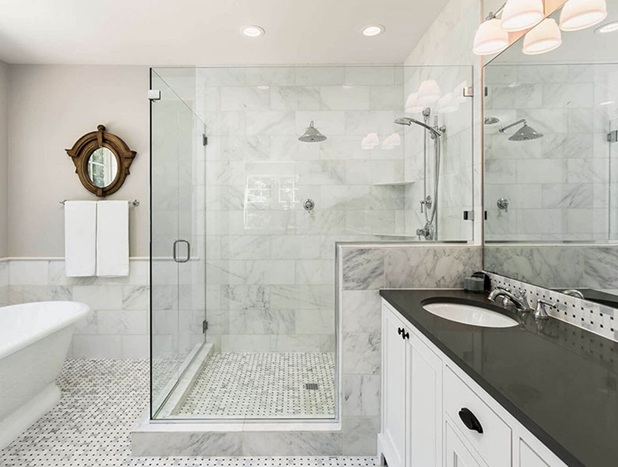
When it comes to designing the perfect bathroom, few decisions carry as much visual and functional weight as the glass you choose for your shower enclosure. The right glass can make a compact bathroom feel open and airy, simplify your cleaning routine, enhance privacy, and even improve safety for your family. The wrong choice, however, can result in a door that looks dated within years, is difficult to maintain, or fails to meet Australian safety standards.
Whether you are ordering custom shower doors for a new build, a full bathroom renovation, or simply replacing an old enclosure, this complete buyer’s guide walks you through every glass option available — from toughened clear glass to decorative frosted and patterned varieties — so you can make an investment you will love for decades to come.
Why the Type of Glass Matters More Than You Think
Many homeowners focus solely on the frame style or hardware finish when planning custom shower doors, and treat the glass itself as an afterthought. In reality, the glass is the single most important component of your shower enclosure. It determines how safe the door is, how much light enters your shower, how easy it is to keep clean, how much privacy you have, and how the enclosure looks in five, ten, or twenty years. Getting this decision right from the start will save you money, stress, and renovation regret.
In Australia, all glass used in shower enclosures must comply with AS/NZS 2208, the national standard for safety glazing materials. This regulation exists because ordinary annealed glass shatters into large, dangerous shards when broken — a serious risk in a wet, slippery bathroom environment. The glass options covered in this guide all meet or exceed this requirement, but understanding the differences between them will help you choose the best solution for your specific needs.
The Main Types of Glass Used in Custom Shower Doors
Let’s explore each glass type in detail, including its benefits, drawbacks, and ideal applications.
1. Clear Toughened (Tempered) Glass — The Industry Standard
Clear toughened glass is by far the most popular choice for custom shower doors in Australia, and for good reason. It is produced by heating standard float glass to around 620°C and then rapidly cooling it, a process that makes it approximately four to five times stronger than ordinary glass. When it does break — which is rare — it shatters into small, rounded pebbles rather than jagged shards, significantly reducing the risk of serious injury.
Key advantages of clear toughened glass:
• Maximum light transmission — keeps your bathroom feeling bright and open
• Compatible with all frameless, semi-frameless, and framed enclosure styles
• Available in thicknesses from 6mm to 12mm to suit any design
• Widely available and competitively priced
• Easy to clean with standard bathroom glass cleaners
• Compliant with AS/NZS 2208 safety glazing standards
The main consideration with clear glass is that water spots, soap scum, and fingerprints are highly visible — especially on thicker frameless panels. This is why many homeowners opt for an easy-clean coating (discussed below) when choosing clear toughened glass for their custom shower doors.
2. Low-Iron (Ultra-Clear) Glass — The Premium Upgrade
Standard clear glass has a faint green tint caused by iron content in the raw materials. In most applications this is barely noticeable, but in thicker panels (10mm or 12mm), the green hue can become visible along the edges and through the glass. Low-iron glass removes most of this iron content during manufacturing, producing a glass that is virtually colourless and crystal-clear.
Low-iron glass is the ideal choice when:
• You want the cleanest, most transparent result possible
• Your bathroom features white tiles or a neutral colour palette
• You are installing thick frameless panels where the green edge tint would be visible
• You want your shower to be a design centrepiece rather than a functional afterthought
Low-iron glass typically costs 20–40% more than standard clear toughened glass, but for high-end bathroom renovations or luxury custom shower doors, the visual result is well worth the investment.
3. Frosted Glass — Privacy Without Sacrificing Light
Frosted glass is created by sandblasting or acid-etching one surface of the glass, producing a translucent finish that obscures visibility while still allowing diffused light to pass through. It is an excellent choice for shared bathrooms, ensuites that open directly onto a bedroom, or any space where occupant privacy is a priority.
There are several frosted glass options available:
• Fully frosted: Maximum privacy; entire panel is sandblasted or acid-etched
• Partially frosted: A clear band at the top with frosted panels below — a popular compromise between privacy and light
• Gradient frosted: Transitions from frosted at the bottom to clear at the top for a contemporary effect
• Patterned frosted: Includes decorative designs sandblasted into the surface for a designer look
One consideration with frosted glass is maintenance. The textured surface can trap soap residue and mineral deposits more readily than smooth clear glass, requiring more frequent cleaning. Using a pH-neutral cleaner and a soft brush will keep frosted custom shower doors looking their best.
4. Tinted Glass — Style and Sun Control Combined
Tinted glass incorporates colour throughout the glass itself during the manufacturing process. Common tints available for custom shower doors include grey, bronze, blue, and green. Tinted glass offers a degree of privacy similar to frosted glass while maintaining a smooth, easy-to-clean surface. It also adds a distinct design character to your bathroom.
Popular tint choices and their effects:
• Grey tint: Sophisticated and neutral; suits both contemporary and classic bathrooms
• Bronze tint: Warm and earthy; complements timber vanities and terracotta tiles
• Blue tint: Fresh and spa-like; popular in coastal and resort-style bathrooms
• Green tint: Natural and organic; pairs well with stone and greenery-inspired interiors
Keep in mind that tinted glass reduces the amount of natural light entering the shower space. In smaller or darker bathrooms, this can make the room feel more enclosed. Tinted glass is best suited to larger bathrooms with ample natural light.
5. Patterned and Textured Glass — Decorative Character
Patterned glass features a texture or design impressed into one face of the glass during the rolling process. This creates visual interest while also providing privacy, as the pattern obscures clear visibility. Reeded glass, with its vertical ribbed lines, has become particularly fashionable in Australian bathrooms over the past few years, appearing frequently in interior design magazines and renovation television programmes.
Popular patterns for custom shower doors include:
• Reeded (fluted): Vertical ribs that create a striking linear pattern; very on-trend in 2025
• Flemish: A subtle, swirling texture that is versatile and timeless
• Stippolyte: A small, uniform pebbled texture; excellent privacy and light diffusion
• Cotswold: A heavier, more pronounced texture for maximum privacy
• Seedy: Features tiny air bubbles for a vintage, handmade glass effect
Patterned glass is an excellent way to add personality and a point of difference to your bathroom without the need for decorative tiles or artwork. It works particularly well in heritage homes, boutique-style renovations, and bathrooms that need a focal point.
6. Laminated Glass — Maximum Safety for Families
Laminated glass consists of two or more layers of glass bonded together with a clear polyvinyl butyral (PVB) interlayer. When broken, the glass fragments adhere to the interlayer rather than scattering — similar in principle to automotive windscreen glass. This makes laminated glass the safest option available for shower enclosures, particularly in homes with young children, elderly residents, or anyone with mobility challenges.
Laminated glass is also excellent for noise reduction — a useful feature if your ensuite is adjacent to a home office or bedroom. It does tend to be heavier and more expensive than toughened glass of equivalent thickness, and should be considered a premium upgrade for custom shower doors where safety is the highest priority.
Glass Thickness: Which Is Right for Your Shower?
Glass thickness affects rigidity, weight, visual impact, and cost. Here is a quick guide to choosing the right thickness for your custom shower doors:
• 6mm: Suitable for framed enclosures where the frame provides structural support. Lightweight and budget-friendly.
• 8mm: A popular choice for semi-frameless designs. Offers a good balance of strength and affordability.
• 10mm: The most common choice for frameless custom shower doors. Rigid, substantial, and premium in appearance.
• 12mm: Used in high-end frameless installations and large panels. Creates the most luxurious result but is heavier and more expensive.
Easy-Clean Coatings: Are They Worth It?
One of the most common complaints about glass shower enclosures is the time and effort required to keep them clean. Hard water mineral deposits, soap scum, and body oils cling to glass surfaces and can make even brand-new custom shower doors look dull and dirty within weeks of installation. An easy-clean (hydrophobic) coating addresses this problem by creating a microscopically smooth surface that repels water and prevents residue from bonding to the glass.
Quality easy-clean coatings can reduce cleaning time by up to 90% and are strongly recommended for any frameless or semi-frameless glass shower installation. The coating is either applied at the factory during manufacture or by the installer on-site. Factory-applied coatings tend to be more durable. Expect to pay an additional $100–$300 for a professional easy-clean treatment on your custom shower doors — an investment that pays for itself quickly in time saved.
How to Choose the Right Glass for Your Bathroom Style
The best glass for your custom shower doors will depend on your overall bathroom design. Here are some style-based recommendations to help you decide:
• Modern / minimalist: Clear toughened or low-iron glass with 10mm–12mm thickness and no frame. Clean lines, maximum light.
• Contemporary / Scandi: Reeded or fluted patterned glass in a semi-frameless frame with brushed nickel or matte black hardware.
• Coastal / relaxed: Clear or blue-tinted glass with chrome or brushed nickel fittings. Maximise light and the sense of openness.
• Heritage / classic: Frosted or Flemish-patterned glass in a framed enclosure. Timeless and elegant.
• Luxury / hotel-inspired: Low-iron glass with an easy-clean coating and matte black frameless fittings. Understated sophistication.
• Family / safety-focused: Laminated safety glass for maximum protection, in a framed or semi-frameless enclosure.
Australian Safety Standards: What You Need to Know
All glass used in shower enclosures in Australia must comply with AS/NZS 2208: Safety Glazing Materials in Buildings. This standard requires that any glass installed in a shower recess or wet area meets the minimum impact resistance and breakage safety requirements. Toughened and laminated glass both comply with this standard, while ordinary annealed glass does not and must never be used in shower applications.
When ordering custom shower doors, always ask your supplier or glazier to confirm that the glass meets AS/NZS 2208 and request documentation if required. Reputable Australian suppliers will automatically use compliant glass, but it is always worth verifying — particularly when purchasing from overseas suppliers or online marketplaces.
Questions to Ask When Ordering Custom Shower Doors
Before finalising your order, make sure you have clear answers to the following questions:
• Does the glass comply with AS/NZS 2208 safety glazing standards?
• What thickness options are available for my enclosure style?
• Is low-iron glass available if I want the clearest possible result?
• Can I add an easy-clean hydrophobic coating?
• What patterned or frosted options are available in my chosen thickness?
• How long will it take to manufacture and install my custom shower doors?
• What warranty is provided on the glass and the installation?
• Are there any care and maintenance instructions I should follow?
Glass Comparison Summary: At a Glance
To help you compare your options quickly, here is a summary of each glass type with its key characteristics:
• Clear toughened: Best all-rounder. Maximum light, easy to clean, suits all styles. Most popular for custom shower doors.
• Low-iron (ultra-clear): Premium clarity with no green tint. Ideal for thick frameless panels and luxury bathrooms.
• Frosted: Excellent privacy with diffused light. Good for shared bathrooms and ensuites.
• Tinted: Stylish and semi-private. Best for large bathrooms with good natural light.
• Patterned / reeded: Decorative and private. Adds character; very on-trend in 2025.
• Laminated: Safest option. Best for families with children, elderly, or accessibility needs.
Final Verdict: Which Glass Is Best?
After reviewing every option available, the best glass for most Australian homeowners investing in custom shower doors is 10mm clear toughened glass with a factory-applied easy-clean coating. This combination delivers outstanding safety compliance, a timeless and versatile appearance, maximum light transmission, and a dramatically reduced cleaning burden. For premium renovations, upgrading to low-iron glass takes the result to another level by eliminating any green tint from the panels.
If privacy is your primary concern, frosted or patterned glass — particularly the ever-popular reeded style — offers a beautiful solution that maintains diffused natural light. And if you have young children or elderly family members in the home, laminated safety glass provides unmatched peace of mind.
Ultimately, the best glass choice is the one that aligns with your bathroom’s design vision, your family’s lifestyle, and your long-term maintenance expectations. When you invest in quality custom shower doors with the right glass from the start, you are creating a bathroom feature that will look stunning and perform flawlessly for many years to come. Take your time, speak to a qualified glazier, and don’t be afraid to ask for samples before you commit.