
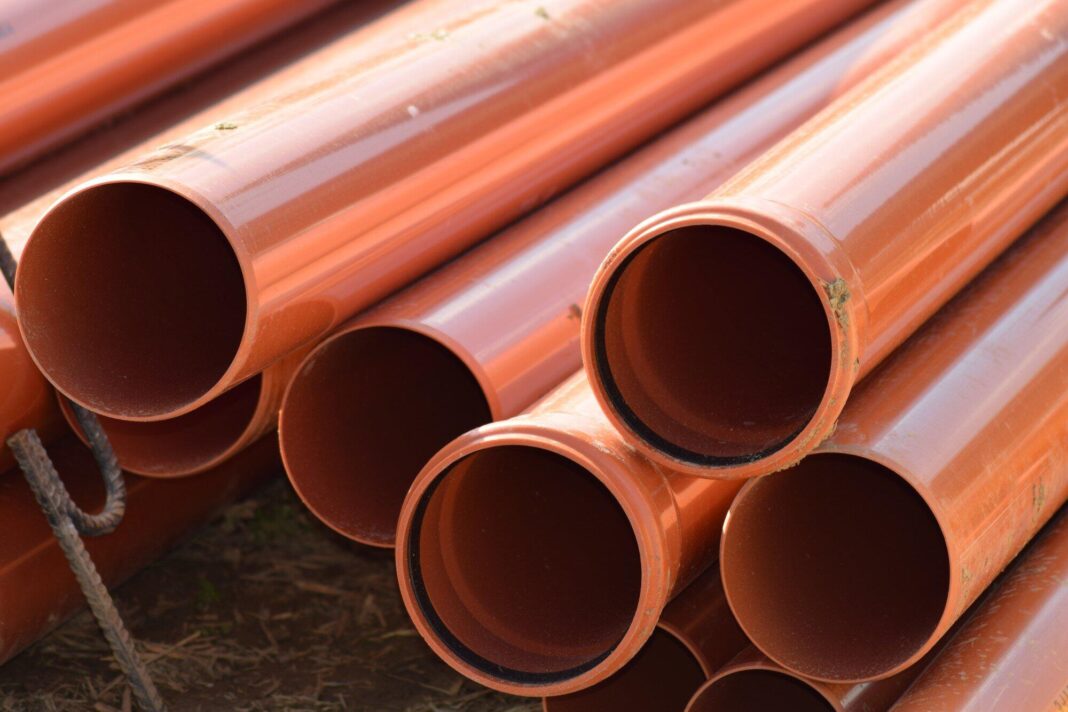
Are you planning a building project and wondering which pipe materials to choose? The right pipes help keep a structure safe, durable, and efficient. Pipes carry water, gas, or wiring, and each type of material has its own strengths.
Picking the right pipe can save time and money in the long run. Many options are available, and each works best for certain situations. Learning about these materials helps avoid problems during or after construction.
This guide will help you compare popular pipe materials and choose the right option for your next build. Keep on reading!
Common Types of Pipe Materials
Pipes come in many different materials, each with unique features. The most common options include steel, copper, PVC, and HDPE.
Some types are best for water, while others work well for gas or electrical wiring. The right choice depends on the job and the environment. Understand the basics of each before deciding.
Durability and Lifespan
Durability is one of the most important factors when choosing pipe materials. Steel pipes are strong and long-lasting but may rust if not protected.
Copper pipes resist corrosion and can serve well for decades, making them a popular choice. Plastic pipes, like PVC and HDPE, resist damage from chemicals and moisture.
Flexibility and Installation
Flexibility makes installation easier and lets pipes bend around obstacles. Copper pipes are fairly flexible and simple to connect with fittings.
PVC pipes are lightweight and easy to cut for custom shapes. HDPE pipes are known for their flexibility, making them ideal for uneven or shifting ground.
Performance Under Pressure
Performance under pressure is key for pipes in high-stress environments. Steel pipes hold up well under heavy loads and high water pressure. Copper also performs reliably in both hot and cold conditions.
PVC pipes are best for low-pressure uses, such as drainage or vent pipes. HDPE pipes can handle pressure but are most often used underground.
Cost and Value
Cost is often a top concern in any building project. Steel pipes can be expensive but offer long-term strength. Copper pipes cost more upfront but may save money over time due to their reliability.
Plastic pipes, like PVC and HDPE, are usually cheaper and easy to work with. A trusted HDPE pipe supplier can offer affordable options without sacrificing quality. Balancing short-term cost with long-term value helps keep the project budget in check.
Environmental Impact
Many builders now consider the environmental impact of their materials. Steel and copper pipes can be recycled, reducing waste after their use. Plastic pipes, including PVC and HDPE, are lightweight and need less energy to produce and transport.
Some pipe types release fewer chemicals into water or soil. Eco-friendly choices help protect the planet and may meet green building standards. Choosing wisely supports both the project and the environment.
Building Better Results Through Informed Pipe Choices
Choosing the right pipe material is important for safety, performance, and budget. Each material offers different strengths for different building needs.
Consider durability, flexibility, and cost before deciding. Environmental impact and ease of installation are also key factors.
With careful planning, the right pipes help projects last longer and run smoothly. Learning about pipe materials makes building projects less stressful and more successful.
Did you like this guide? Great! Please browse our website for more!






