Older Australian homes have plenty of character, but thermal comfort is not always their strength. Many were built before modern insulation and energy-efficiency standards became common. As a result, rooms can become uncomfortably hot in summer and lose warmth quickly in winter. Improving thermal efficiency does not require a complete renovation. A few well-chosen upgrades can make a noticeable difference.
This article mentions practical ways to improve insulation, reduce air leakage and make older homes more comfortable throughout the year.
Why Older Australian Homes Often Lose Heat
Insulation in an older property may be thin, damaged, compressed or missing. There can also be small gaps around roofs, windows, doors, pipes and electrical fittings. These openings may seem insignificant, but together they allow unwanted heat movement.
Older construction materials and building methods can add to the problem. Ventilation may also be poorly managed, allowing draughts or moisture to affect indoor comfort. In some houses, it is a case of materials reaching the end of their useful life.
Start by Checking Existing Insulation
Check the roof space and ceiling first, as this is where the greatest heat transfer occurs.
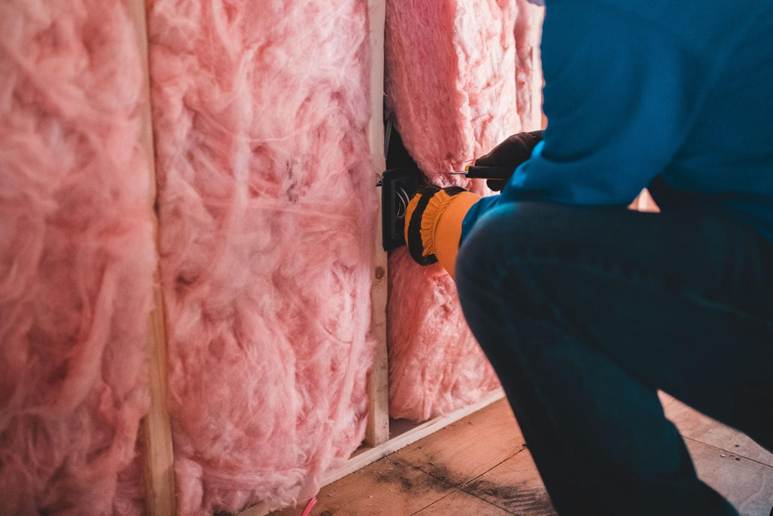
Wall cavities and areas beneath the floor should also be inspected where accessible. Look for insulation that has shifted, become wet or lost its thickness. It is useful to identify rooms that feel unusually hot or cold. They may point towards areas where heat is escaping or entering.
Give the Roof and Ceiling Priority
A poorly insulated roof can allow considerable heat into the home during an Australian summer. In winter, it can also allow heated indoor air to lose warmth quickly.
Upgrading ceiling insulation helps slow this transfer and makes indoor temperatures easier to manage. Roof spaces can become extremely hot, so improving insulation in this area is a sensible starting point when upgrading an older property.
Strengthen Insulation Inside External Walls
External walls are another route for heat transfer. If wall insulation is inadequate, outdoor temperatures can influence indoor rooms more quickly.
Retrofitting wall insulation can be more complicated because the cavities are enclosed. Depending on the home’s construction, sections of the wall may need to be accessed. A professional assessment can help determine which approach is practical without creating unnecessary disruption.
Stop Unwanted Draughts
Good insulation works better when uncontrolled air movement is reduced. Check around windows, external doors, vents and service penetrations for visible gaps.
Sealing these areas can improve comfort while helping prevent conditioned air from escaping. Weather seals, suitable caulking and other air-sealing products can be useful for smaller gaps.
Look at Modern Insulation Options
Traditional insulation is still a good option for many homes. Modern solutions can be useful when upgrading older properties. Spray foam insulation is one option that can help insulate the home and seal small air gaps when installed properly.
It may be suitable for awkward spaces or areas that are difficult to insulate using conventional materials. It is not automatically the right choice for every home. The existing building structure, moisture conditions and ventilation requirements should be assessed before installation.
Do Not Overlook Windows and Doors
Old windows and doors can undermine otherwise good insulation. Start with basic weather sealing around frames and doors. Heavy curtains or blinds can provide another layer of protection.
Where the budget allows, double-glazed or other energy-efficient windows can further reduce heat transfer. These improvements tend to work best when combined with insulation rather than treated as a standalone solution.
Improve Insulation Beneath the Floor
Homes with suspended timber floors can lose heat through gaps beneath the property. Underfloor insulation can help reduce this transfer and make rooms feel more stable in temperature.
Draughts should also be addressed around floorboards, vents and other openings. The condition of the subfloor area matters, where moisture is present.
Think Beyond One Isolated Upgrade
Adding insulation to one part of an older home may help, but the overall result can be limited if other areas remain poorly sealed. A whole-home approach makes more sense.
Start with the areas causing the greatest heat loss or gain, then work through the property as budget allows. Roof insulation, wall improvements, air sealing, better windows and underfloor insulation can complement one another.
Conclusion
Improving an older home’s thermal efficiency starts with understanding where heat is being lost or gained. Roof and wall insulation, draught sealing, better windows and underfloor improvements can all contribute to a more comfortable home.
For some properties, spray foam insulation may be worth considering, in difficult-to-access areas. The right solution depends on the home’s construction and condition, so a professional assessment is a sensible first step.