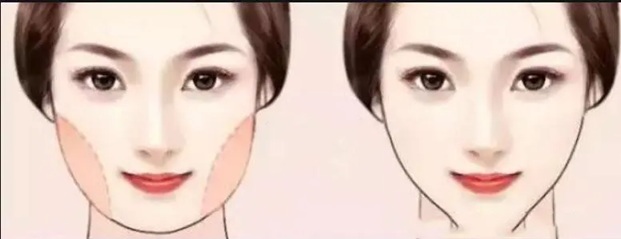
Aging is becoming more and more regarded in modern aesthetic medicine as an architectural transformation of the face, as opposed to the appearance of wrinkles. The alterations in the structure take place over time in muscles, skin, fat distribution, and the bone structure. The face becomes unbalanced, unelastic, and unyouthful as these layers move with time.
Dermatologists and aesthetic practitioners are now using structural rejuvenation strategies in 2026 to target these underlying changes, not to mention surface-level cosmetic procedures. Treatments with Botox toxin, especially in their more sophisticated forms, have become key instruments of this architectural approach as they enable practitioners to manipulate the activity of the muscles accurately and re-establish the balance in the face. This breakdown will be provided in a structured format on how structural rejuvenation works and why Botulax has become so popular in the contemporary practices of anti-aging.
1. Learning about the Structural Architecture of Facial Aging
The process of aging on the face does not just happen to the skin. Rather, it entails a stratified architectural change of muscles, fat pads, and connective tissues. Advanced neuromodulators are now generally used in many aesthetic clinics, including formulations generally grouped together under korean botox, and are used to accurately regulate muscle movements of the face as a component of structural rejuvenation processes.
Stratified Layers Involved in Facial Aging
| Facial Layer | Aging Effect | Visible Result |
| Dermal Layer | Impairment of elasticity and collagen. | Fine lines and wrinkles |
| Hypodermis | Fat pad volume redistribution. | Hollow or sagging areas |
| Muscular Layer | Repetitive contraction. | Dynamic wrinkles |
| Skeletal Frame | Gradual bone resorption. | Facial contour changes |
By understanding these layers of the structure, the practitioners can design a more detailed rejuvenation treatment.
2. The Core Philosophy of Structural Renovation
The theory of structural rejuvenation aims at restoring the balance and harmony of facial movement as opposed to freezing wrinkles.
Critical Objectives of Structural Renewal
- Muscle Equilibrium: Rebalance muscle activity.
- Expression Preservation: Keep natural facial expressions.
- Dermal Support: Reduce strain on skin tissue.
- Collagen Integrity: Maintain collagen or have a long-term effect.
- Symmetry Optimization: Enhance the general facial symmetry.
Workflow of the Structural Rejuvenation Process
- Structural Analysis: Detailed examination of facial architecture.
- Activity Mapping: Identifying overactive muscle groups.
- Injection Planning: Targeted mapping of the injection sites.
- Relaxation Control: Managed delivery of muscle relaxation.
- Dynamic Assessment: Evaluating movement post-rejuvenation.
This type of architecture also enables the dermatologists to improve the looks without the formation of unnatural facial stiffness.
3. Utilizing Botulinum Toxin for Structural Facial Balance
The mechanism of action of Botox toxin is the temporary inhibition of nerve signals that cause muscle contraction. Opposite muscles can be used to restore the balance of face when some muscles relax.
Structural Benefits of Targeted Muscle Relaxation
- Tension Mitigation: Less tension on wrinkles areas.
- Force Redistribution: Muscle movement redistribution.
- Expression Harmony: Even-handed facial expression patterns.
- Fold Prevention: Reduced stress on skin folds.
Primary Structural Treatment Zones
| Facial Area | Structural Purpose | Cosmetic Result |
| Forehead | Reduce repetitive movement. | Smoother skin |
| Glabellar Area | Balance brow muscles. | Relaxed expression |
| Lateral Canthal | Reduce eye strain lines. | Youthful eye area |
| Masseters | Relax jaw tension. | Slimmer facial contour |
4. Data-Driven Aesthetic Planning in 2026
Current cosmetic therapies are based on facial mapping and digital analysis devices that are data-driven. Muscle activity, facial symmetry, and skin elasticity are studied and examined by dermatologists prior to injections.
Distribution Trends in Structural Facial Treatment
- Forehead Muscle Balance: 34%
- Crow’s Feet Reduction: 27%
- Glabellar Correction: 20%
- Jawline Contouring: 12%
- Chin Balance: 7%
Such insights enable practitioners to develop individualized treatment plans instead of applying uniform injection patterns.
5. Preventive Strategies for Structural Integrity
One of the most significant tendencies in modern aesthetic medicine is preventative treatments. Rather than repairing deep wrinkles in their later years, practitioners are now doing the intervention at a younger age to ensure that the faces have balance.
Advantages of Preventive Structural Interventions
- Inhibition: Interferes with the development of deep wrinkles.
- Muscle Regulation: Has normal body muscle activity.
- Long-term Support: Minimizes the strain to the skin in the long-term.
- Symmetry Maintenance: Maintains the natural facial symmetry.
The late twenties and thirties are becoming a trend in patients opting to undergo preventative neuromodulator therapies to preserve youthful facial structure.
6. Synergistic Use of Neuromodulators and Complementary Treatments
The structural rejuvenation usually entails using a combination of various aesthetic procedures to counter various areas of facial aging.
Common Synergistic Therapeutic Pairs
- Volume Support: Facial volume restoration using dermal fillers.
- Texture Refinement: Laser peel to enhance the skin texture.
- Dermal Density: Microneedling as a method of stimulating collagen generation.
- Hydration: Elasticity and hydration skin boosters.
Integrated Rejuvenation Strategy Matrix
| Treatment Type | Target Concern | Result |
| Botulinum Toxin | Muscle tension | Wrinkle reduction |
| Dermal Fillers | Volume loss | Facial contour restoration |
| Laser Therapy | Skin texture | Surface improvement |
| Microneedling | Collagen loss | Skin tightening |
7. Safety and Accuracy in Modern Neuromodulator Therapies
Cosmetic injections are now more precise and predictable due to technological advances.
Core Safety Factors in 2026 Clinical Practice
- Advanced Purification: Improves product stability and reduces immunogenicity.
- Mapping Technology: Digital facial mapping guides injection placement.
- Micro-Dosing: Micro-dose techniques preserve natural expression.
- Clinical Certification: Mandatory certified practitioners ensure treatment safety.
In the 2026 approach to anti-aging, there is a greater emphasis on the structure of the face and not merely the wrinkles on the surface. The structural rejuvenation strategies examine the motion of muscles, the elasticity of the skin, and facial symmetry in order to re-establish the equilibrium and keep the faces youthful in terms of its dynamics.
The application of the botulinum toxin is the key to this strategy because it helps to relax specific muscles and redistribute the facial tension in a manner that encourages natural expression and long-term skin health. As aesthetic medication continues to evolve, practitioners and patients alike more and more awareness on treatment first-class, practitioner expertise, and informed decision-making while evaluating neuromodulator options—along with concerns along with wherein to buy botulax in regulated and professional medical environments.