On heavy industrial, cogeneration, and municipal district-energy builds, piping leakage discovered during initial hydrotesting or steam blowing rarely traces back to factory machining errors. Most jobsite rework stems from rough handling between yard receiving and mechanical tie-in. Enforcing basic mechanical protection rules keeps crane crews, pipefitters, and welding teams from cutting expensive alloy spools out of elevated pipe racks.
1. Laydown Yard Storage and Pre-Rigging Checks
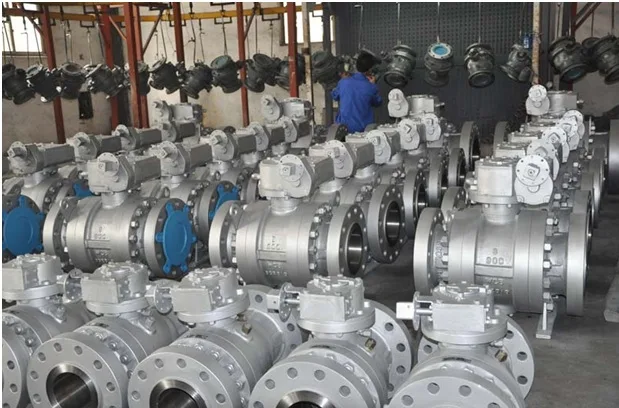
Mechanical valve shipments frequently sit in exposed construction yards for six to eighteen months before steel erection reaches the boiler bay. Moisture, coastal humidity, and blowing dust quickly pit machined carbon steel and chrome-moly weld ends once end covers loosen. Receiving inspectors should verify stamped melt heat numbers against mill certificates upon arrival and keep rigid plastic or steel bevel protectors sealed until fit-up day.
Equally important, heavy swing check and piston non-return bodies ship with temporary wood or polymer shipping chocks locking internal discs against road vibration. Pipefitters must check external crate warning tags and remove those transit locks immediately prior to spool tack-up. Leaving one wood block trapped inside a main header restricts flow and jams upstream equipment on day one.
2. Crane Rigging Around Heavy Body Assemblies
ASME Class 900 through Class 2500 gate and globe assemblies carry heavy upper gear operators and forged bonnets. Riggers must never choke wire slings or chain falls around handwheels, exposed threaded stems, electric actuator housings, or yoke legs. Off-axis lifting bends rising stems slightly out of concentricity, causing tight yoke binding during cold stroke tests. Lift exclusively from forged body lugs or wrap padded nylon straps directly around thick body necks.
Before welders make root tacks, confirm flow-direction arrows cast onto valve shells. Vertical piston checks and screw-down non-return (SDNR) assemblies depend on upright stem attitudes within specification tolerances so gravity aids closure cleanly.
3. Butt-Weld Alignment and Local Heat-Treatment Shielding
Joining thick-wall Class 1500 or Class 2500 hubs into seamless power piping leaves zero room for bore mismatch. Checking ASME B16.25 weld-end bevel preparations ahead of spool fabrication ensures internal counterbore diameters and outer 30-degree transition tapers align cleanly with pipe schedules without creating root turbulence steps.
| Construction Task | Frequent Jobsite Mistake | Contractor Protection Practice |
|---|---|---|
| Root TIG & hot pass welding | Closing wedge tight under welding heat | Leave gate or globe seats cracked open roughly 5–10% unless project spec prohibits |
| Argon back purging | Purging inside sealed unvented shells | Set purge dams well clear of soft packing boxes and keep downstream vents open |
| Local induction PWHT (F22/F91) | Wrapping thermal blankets close to bonnet seal | Center heating coils on weld seams and monitor bonnet neck temperatures below 350 °C |
| Hydrostatic loop testing | Testing against one closed isolation wedge | Test loops against blind spades with inline block gates kept 25–50% open |
4. Protecting Hardfaced Seats Through Flushing and Startup
Alkali boil-out, acid flushing, and high-velocity steam blows push weld slag, welding electrode stubs, and rust scale down newly erected piping runs. Throttling abrasive construction debris across partially open cobalt-alloy seat rings carves permanent grooves into metallic seating edges before commercial operation starts.
Construction teams should leave isolation gates fully back-seated open—or drop temporary startup spool blanks in place—until clean target plates pass inspection, then follow a structured high-pressure valve installation and commissioning checklist prior to turning lines over to plant operations. Careful receiving audits, padded neck rigging, controlled PWHT heating zones, and disciplined line flushing keep critical mechanical milestones on schedule.