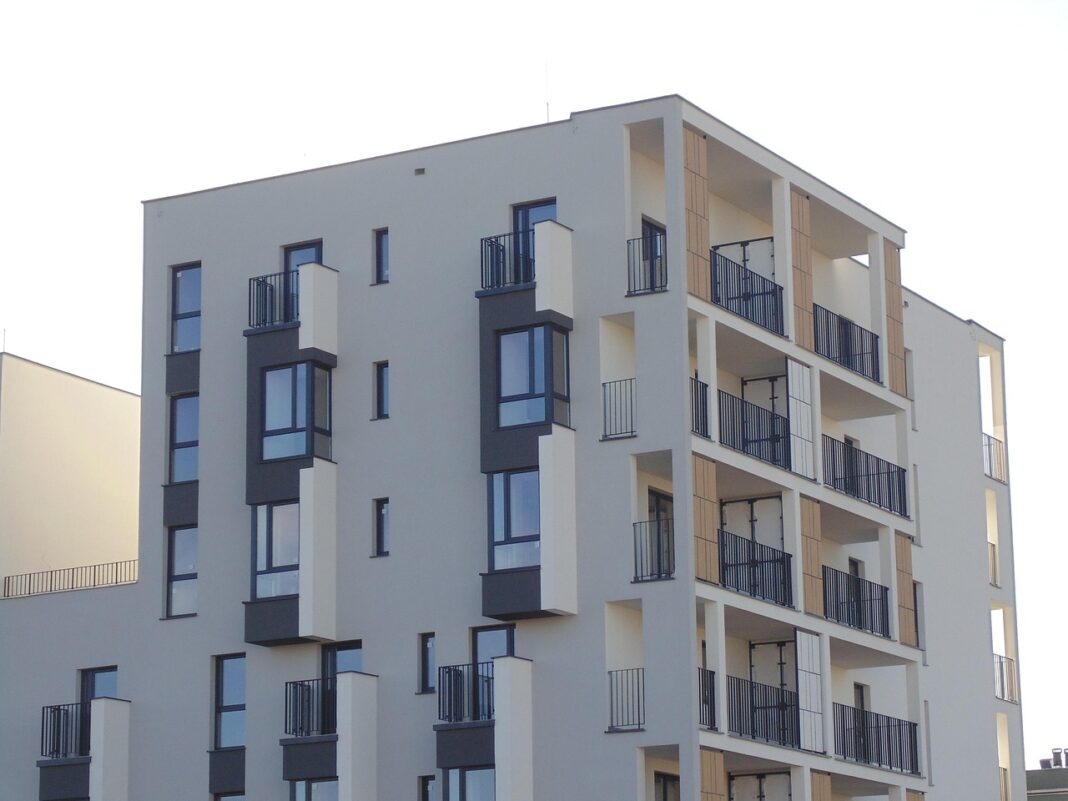
The Odisha Real Estate Appellate Tribunal (OREAT) has directed the developer of a major housing project in Phulnakhra to execute a sale agreement for a flat booked in 2018, setting aside an earlier order of the Odisha Real Estate Regulatory Authority (ORERA) that had directed a refund to the buyer.
The tribunal held that the builder’s decision to cancel the allotment was arbitrary and discriminatory, observing that the buyer had established a valid legal relationship with the developer despite paying an advance amount of only ₹1 lakh against the total flat cost of approximately ₹53.6 lakh.
According to case records, the homebuyer booked the flat in November 2018 by paying ₹1 lakh. The buyer alleged that despite repeated attempts to complete further formalities and make additional payments, the developer neither executed the agreement for sale nor responded to his requests. He later discovered that his allotment had been cancelled verbally. The complainant also stated that the developer had issued a demand notice in February 2019 even before construction of the project had commenced.
The developer argued that the ₹1 lakh payment was merely an expression of interest and not the mandatory 10% booking amount required before executing a sale agreement. The company maintained that the buyer failed to make subsequent payments despite reminders and that, under the terms accepted by the applicant, it retained the discretion to reject applications without assigning any reason. Following the alleged non-payment, the builder cancelled the allotment and allotted the unit to another buyer.
In May 2024, ORERA ruled in favour of a refund, directing the developer to return the ₹1 lakh paid by the buyer along with 9.5% annual interest from 2018, effectively treating the transaction as terminated.
However, OREAT overturned that decision, clarifying that the Real Estate (Regulation and Development) Act, 2016 permits promoters to accept advance payments up to 10% before executing an agreement for sale but does not prohibit accepting a lesser amount. The tribunal ruled that once the payment was accepted by the promoter, the buyer qualified as an allottee under RERA, thereby establishing enforceable rights.
The appellate tribunal further noted that other buyers in the same project, who had booked under similar circumstances, were later granted sale agreements, while the complainant was denied the same opportunity. This unequal treatment, it observed, reflected a discriminatory approach and double standards on the part of the developer.
Referring to Supreme Court judgments, OREAT reiterated that the right to housing forms part of the fundamental right to life under Article 21 of the Constitution and emphasized that homebuyers cannot be treated merely as participants in a commercial transaction. The ruling underscores the judiciary’s continued focus on protecting consumer rights and ensuring fairness in the real estate sector under the RERA framework.