
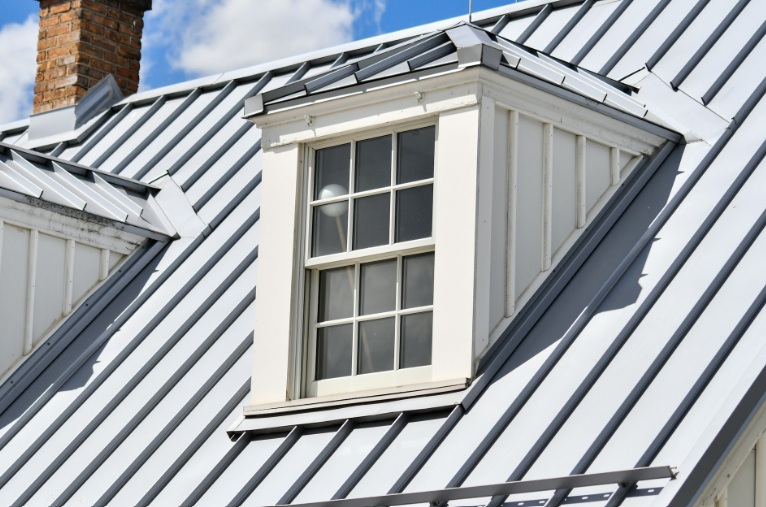
- Selecting a metal roofing system requires evaluating the building’s structure, roof pitch, environmental exposure, drainage requirements and intended use.
- Steel, aluminium, zinc and other metal options have different characteristics that influence durability, maintenance and project costs.
- Panel profiles, fastening methods and protective coatings affect both the appearance and long-term performance of a roof.
- Residential and commercial buildings have different structural, functional and design requirements that should guide system selection.
- Proper installation, ventilation, insulation and regular inspections help protect the roofing system throughout its service life.
A roofing system does more than protect a building from rain and sunlight. It contributes to structural protection, thermal performance, energy use and the overall appearance of a property. Choosing the right material and installation method is therefore an important decision for homeowners, architects, contractors and commercial property developers.
Metal roofing is used across a wide range of building types because it offers flexibility in design, material selection and panel configuration. However, not every metal roofing product is suitable for every project. Roof geometry, building use, environmental conditions and structural requirements all influence which system will perform effectively.
For projects in Melbourne, Australia, changing weather conditions and differences between residential properties, industrial facilities and commercial buildings make proper system selection particularly important. Exploring available metal roofing solutions should involve comparing material properties, installation requirements, drainage performance and long-term maintenance rather than focusing on initial cost or appearance alone.
Understand the Building’s Requirements Before Selecting a System
The first step in selecting metal roofing is understanding the building it needs to protect. A residential property, warehouse, retail complex and office building may all use metal roofing, but their requirements can differ considerably.
A home may prioritise architectural appearance, indoor comfort, noise control and compatibility with the existing structure. A commercial or industrial building may place greater emphasis on large roof spans, structural loading, drainage capacity, access for maintenance and the integration of mechanical equipment.
Evaluate Roof Design and Structural Conditions
The roof’s shape and construction influence the type of metal roofing system that can be installed. Roof pitch, supporting structure, span, panel length and the location of penetrations all need to be considered during the design stage.
Important factors include:
- Roof pitch: Each roofing profile has minimum slope requirements that affect water drainage and suitability.
- Structural capacity: The supporting framework must accommodate the roofing system and applicable design loads.
- Roof dimensions: Large roof areas may require specific panel lengths, joint arrangements and expansion provisions.
- Existing construction: Replacement projects need an assessment of the existing roof deck, framing and condition of supporting components.
- Building function: Residential comfort requirements may differ from the operational needs of a warehouse or commercial facility.
A low-pitched roof, for example, may require a system specifically designed to manage water without relying on the same drainage characteristics as a steeply pitched roof. Selecting a profile based only on its appearance can create problems if its technical specifications do not match the building.
It is also important to identify the location of roof penetrations, skylights, ventilation equipment and other services. These details can affect panel layout, flashing requirements and the overall waterproofing strategy.
Compare Metal Types, Profiles and Protective Finishes
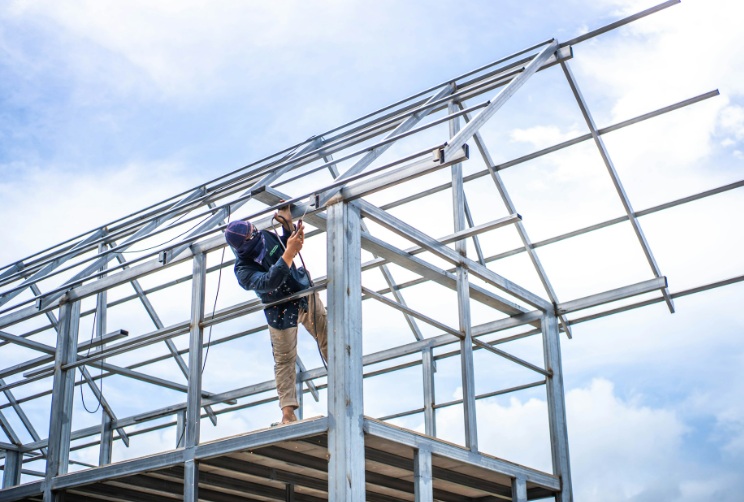
(Source)
Metal roofing is available in several material options, each with different physical and environmental characteristics. The right choice depends on the project’s budget, exposure conditions, design requirements and expected maintenance.
Steel is widely used because of its strength, availability and versatility. Protective metallic coatings and paint finishes can improve its resistance to corrosion and weather exposure. Aluminium is naturally corrosion-resistant and may be suitable for buildings in environments where moisture and salt exposure are concerns. Zinc and copper offer distinctive architectural finishes and can develop characteristic surface appearances over time, although their initial material costs and installation considerations may differ.
Select a Material That Suits the Environment
Material selection should account for the conditions the roof will experience throughout its service life. Coastal environments, industrial areas and locations exposed to airborne pollutants may require particular attention to corrosion resistance and compatibility between materials.
When comparing options, consider:
- Corrosion resistance: Assess the base metal, protective coating and suitability for the building’s exposure conditions.
- Material thickness: Confirm that the specified thickness is appropriate for the intended application and structural requirements.
- Finish durability: Review coating specifications, colour retention and available warranty conditions.
- Maintenance needs: Consider cleaning, inspection and the possibility of replacing individual components.
- Compatibility: Check contact between dissimilar metals, fasteners, flashings and other roofing components to reduce the risk of premature deterioration.
The profile also influences how the roof performs and looks. Corrugated panels provide a recognisable ribbed appearance, while trapezoidal profiles offer a more angular design that can provide structural stiffness. Standing seam systems use raised interlocking joints and concealed fastening arrangements, making them suitable for many architectural applications.
The appropriate profile depends on roof pitch, span, load requirements, water flow and the manufacturer’s installation specifications. A useful comparison of the different types and applications of metal roofing materials can help clarify the available options before a final specification is prepared.
Assess Weather Resistance, Thermal Performance and Drainage
A metal roof must perform under the environmental conditions specific to its location. Rainfall, wind exposure, temperature changes and sunlight can affect the roof assembly, its connections and the building’s indoor environment.
In Melbourne, buildings experience warm summers, cooler periods and variable rainfall throughout the year. A roofing system should therefore be selected with consideration for water management, thermal movement, insulation and ventilation rather than treated as an isolated external covering.
Account for Expansion, Insulation and Water Management
Metal panels expand and contract as their temperatures change. Longer panels can experience noticeable dimensional movement, making the fastening arrangement an important part of the system design.
Standing seam systems commonly use concealed clips that allow panels to move while remaining secured to the supporting structure. Other systems may use exposed fasteners with specified spacing and fastening details. The correct arrangement depends on the panel type, substrate, panel length and manufacturer’s requirements.
The Metal Construction Association’s standing seam roof clips best practices guide explains why attachment systems need to accommodate thermal movement while maintaining secure connections.
Water management deserves equal attention. Gutters, valleys, flashings and downpipes must be designed to handle the roof’s drainage requirements. Poorly planned junctions can allow water to enter the roof assembly even when the main panels are correctly installed.
Other considerations include:
- Providing suitable insulation to help manage heat transfer.
- Maintaining appropriate roof-space ventilation where required by the building design.
- Selecting underlays and condensation-control measures appropriate to the roof assembly.
- Ensuring gutters and downpipes can handle expected water flow.
- Detailing penetrations, ridges, valleys and wall junctions correctly.
- Confirming that roof components are compatible with one another.
Reflective finishes may also influence solar heat absorption, but the overall thermal performance of a building depends on more than roof colour. Insulation, ceiling construction, ventilation, shading and building orientation all contribute to indoor comfort.
Consider Installation Methods, Maintenance and Total Project Cost
Even a well-specified metal roofing product can perform poorly if it is installed incorrectly. Fastener selection, panel alignment, substrate preparation, flashing details and workmanship all influence the finished roof’s reliability.
Installation requirements vary between roofing systems. Exposed-fastener panels, for example, depend on correctly positioned screws and suitable sealing washers. Standing seam systems require compatible clips, accurate panel alignment and properly formed seams. Following the manufacturer’s specifications is essential because components and installation methods are not necessarily interchangeable between product ranges.
Evaluate the Full Cost of Ownership
Initial material and installation prices are only part of the financial decision. A roofing system should also be assessed in terms of maintenance requirements, expected service life, repair access and the potential cost of replacing damaged components.
For residential projects, homeowners may prioritise a balance between appearance, durability and ongoing upkeep. Commercial property owners may also need to consider business disruption, access requirements and the implications of roofing maintenance across large areas.
When evaluating quotations, review:
- The specified metal type, thickness and protective coating.
- The roofing profile and fastening system.
- Underlay, insulation and ventilation provisions.
- Flashings, gutters, downpipes and other accessories.
- Labour, installation scope and site preparation.
- Warranty coverage and maintenance recommendations.
The correct fasteners deserve particular attention. Using unsuitable screws, washers or fixing materials can compromise connections and create potential entry points for water. Understanding how to select appropriate fasteners for metal roofing applications helps project teams recognise why these smaller components are important to the performance of the entire system.
A maintenance plan should be established after installation. Periodic inspections can identify loose fasteners, damaged coatings, blocked gutters, deteriorating sealants and other issues before they develop into more significant problems. Inspection frequency should reflect the manufacturer’s recommendations and the building’s environmental exposure.
Final Thoughts on Selecting Metal Roofing Systems
Choosing a metal roofing system requires a balanced assessment of material properties, building requirements, environmental exposure, installation methods and long-term costs. A product that works well for a residential home may not automatically be the most appropriate option for a large commercial or industrial building.
The selection process should begin with the building’s structural conditions and intended use, followed by a comparison of suitable metals, profiles, protective finishes and fastening systems. Drainage, thermal movement, insulation and ventilation also need to be addressed during design rather than left until installation.
For projects in Melbourne and other parts of Australia, local weather exposure and building conditions should inform the technical specification. Coordinating the roofing manufacturer, designer, contractor and installer early can help ensure that the selected components work together as a complete system.
Ultimately, a successful metal roof is not defined by the panel material alone. Its performance depends on how the entire assembly is designed, installed and maintained. Careful selection at the beginning of a project can help deliver a roof that meets the building’s functional requirements while providing reliable protection over time.






