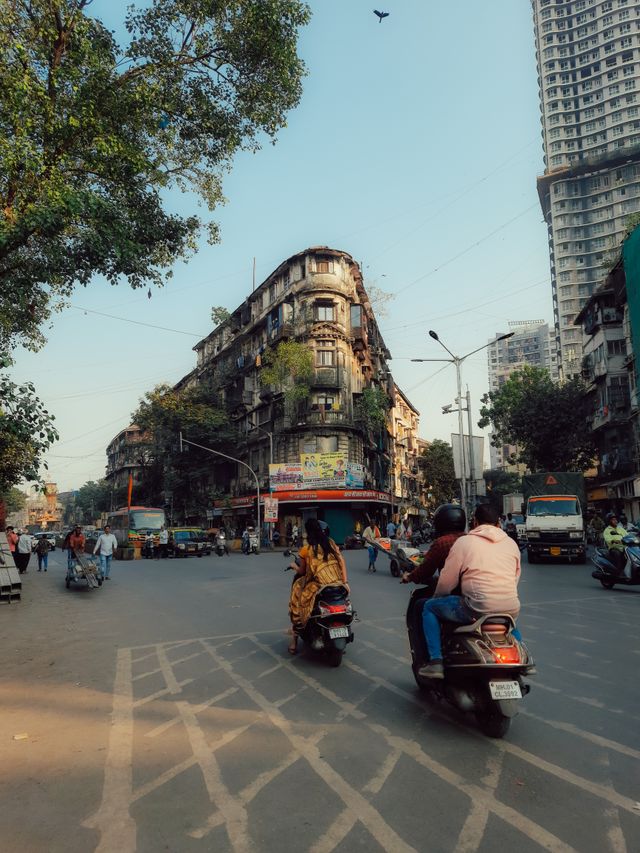
The Mumbai Metro Rail Corporation (MMRC) has started a baseline socio-economic survey of around 800 buildings and structures along the proposed 17.5 km underground Metro Line 11 corridor connecting Wadala and the Gateway of India. The survey will assess properties likely to be affected by the project and document the socio-economic profiles of their occupants before construction and implementation activities begin.
Socioquest Solutions, the agency appointed to conduct the exercise, will undertake property measurements, photography and videography. The survey aims to establish baseline information about the affected structures and their occupants. Property owners and residents have been requested to provide original documents along with photocopies for verification by authorised survey officials.
The exercise will help MMRC compile information about properties and people located along the proposed alignment. The documentation will cover the physical characteristics of the structures as well as details required to assess the potential impact of the underground metro corridor.
Metro Line 11: Proposed Stations and Connectivity
The proposed Metro Line 11 will connect Wadala with the Gateway of India, passing through several important locations in South and Central Mumbai. The planned stations along the corridor include:
- Anik Depot
- Wadala Depot
- CGS Colony
- Ganesh Nagar
- BPT Hospital
- Shivdi
- Haji Bunder
- Darukhana
- Byculla
- Nagpada Junction
- Bhendi Bazaar
- CSMT Metro
- Horniman Circle
- Gateway of India
The corridor is planned as an underground metro route to improve connectivity between Wadala and South Mumbai. It will provide metro access to several established residential, commercial and institutional areas.
Following a Maharashtra government directive in March 2026, the Mumbai Metropolitan Region Development Corporation (MMRCL) announced a revised plan under which Metro Line 11 would operate as an independent corridor. The revised alignment is planned to connect Bandra Terminus with the Gateway of India through Dharavi, Wadala Depot, Sewri and CSMT.
Project Cost and Funding Arrangements
The Maharashtra government has estimated the initial 16.5 km phase of Metro Line 11 at ₹23,487 crore in the 2026-27 state budget. The project is also receiving financial support from the Japan International Cooperation Agency (JICA), which has offered a Development Assistance Loan of 92.4 billion yen, equivalent to approximately ₹5,500 crore, for the first phase up to Wadala.
The proposed funding structure includes contributions from multiple government agencies and institutional lenders. The Brihanmumbai Municipal Corporation (BMC) is expected to contribute ₹2,411 crore, while the Mumbai Port Authority will provide ₹804 crore. The state and central governments are each expected to contribute ₹3,137 crore. Institutional loans are expected to account for more than ₹12,000 crore of the project funding.
The baseline survey marks an important preparatory activity for the proposed underground corridor. By documenting affected buildings, property ownership details and occupant profiles, MMRC aims to establish the information required for project planning and implementation. The corridor is expected to strengthen public transport connectivity across Mumbai, particularly between Wadala and the city’s southern business and tourism districts.