Thinking about getting a shed kit? Good call. Whether you’re after a simple carport, a sturdy farm shed, or something more specific like a stable or barn, the right kit can save you time, money and a whole lot of hassle. But getting it right means taking more than just looks into account.
Too many people rush the decision, only to end up with something that doesn’t fit, doesn’t last, or doesn’t do the job. So before you spend a cent, let’s break down exactly what you need to consider to get the best shed kit for your space.
First things first – what’s the shed for?
Start with your main purpose. The function will guide nearly every other decision you make. Think practically and long term.
Are you:
- Storing a vehicle – A carport or garage-style shed will be enough, but check for height clearance if it’s a 4WD, van or boat
- Sheltering animals – A stable, shelter or barn will need proper ventilation, and materials that suit livestock
- Working with machinery or equipment – Go for a stronger frame and wider access
- Using it as a workshop – You’ll need good lighting, insulation and probably extra outlets
- Storing hay or feed – Avoid moisture issues with elevated flooring and breathable materials
- Running a business – Think about zoning, aesthetics, and how it fits with other infrastructure
Don’t fall into the trap of thinking “any shed will do.” If it’s not built for the job, it won’t last.
Measure twice. Then again.
Space is more than just the floor area you can build on. You also need to consider:
- Height – Will tall vehicles or animals fit? Will there be overhead storage or a loft?
- Access – How easy is it to get in and out with gear, tools or vehicles? Is there room to swing a trailer or back in a truck?
- Surrounding area – Think about shade, trees, fences, and drainage. Is the ground level? Will rain pool near the base?
- Future plans – Don’t build a shed that just fits today’s setup. If there’s a chance your needs will grow, factor that in now.
Sketch out the space if you need to. Lay ropes or use stakes to visualise the footprint. This step alone can save you from frustrating surprises.
Materials make a big difference
Not all shed kits are created equal. The materials used will affect how long it lasts, how easy it is to maintain, and how well it stands up to your local weather.
Steel is a common option for shed kits. It’s durable, resistant to pests and bushfire, and can handle strong winds. Make sure you’re not getting a thin, flimsy version, though. The gauge of steel matters – thicker means stronger.
If you’re considering timber, be aware that it will likely need more upkeep. Rot, termites and warping are real risks, especially in humid or coastal areas.
Roofing should also be a focus. Corrugated steel is common and reliable, but check the pitch – some designs won’t shed rain well if the angle is too low.
Weather matters more than you think
Where you live will influence what kind of shed kit works best. High wind areas? Go for extra bracing and strong anchoring systems. Regular storms or cyclones? Choose a shed kit that’s rated for your region. Dry and dusty? You’ll want good seals on the doors and windows.
Don’t guess – check your local building codes and climate data. If you’re in a fire-prone area, there might even be mandatory standards your shed must meet.
Think about the build
One of the big advantages of a kit is that it’s designed to be put together efficiently. But not all kits are truly “DIY-friendly.” Some are more complex than others, especially if you’re dealing with uneven ground, complex roof lines or extra features like roller doors or skylights.
Ask yourself:
Do you have the time, tools and skills to build it?
Will you need help lifting or assembling larger parts?
Is a builder or installer required for compliance reasons?
Even if the kit is marketed as “easy to assemble,” it’s worth reading the instructions (or at least scanning the manual online if available) before committing.
Don’t forget the details
It’s easy to get caught up in the big stuff – the size, structure and materials. But the small features often make the difference in day-to-day use.
Check for things like:
- Gutter and drainage systems
- Lockable doors or windows
- Ventilation and airflow options
- Insulation or lining
- Skylights or natural lighting
- Floor or foundation compatibility
These add-ons can turn a basic shed into a genuinely useful, long-term space.
Legal stuff: don’t skip it
Before you get too far down the track, check if you need approval to build. Some rural areas are more relaxed, but others require specific permits even for small structures. You might need engineered plans or to meet set-back requirements from boundaries and fences.
Assume you’ll need to follow some sort of regulation, then work backwards from there. It’s a lot easier to plan properly than to undo or adjust a build later because it doesn’t meet code.
Match the shed to your landscape
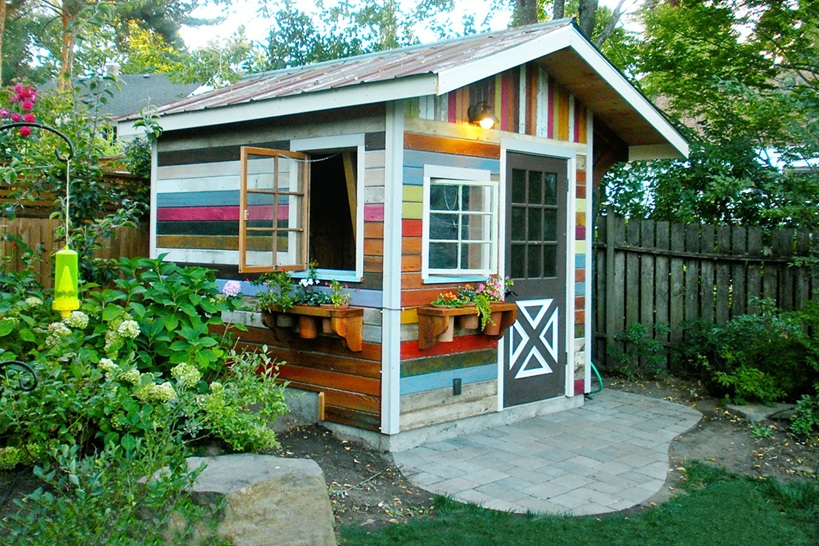
Your shed doesn’t need to look fancy, but it should fit with the rest of your space. A big metal shed in the middle of a tidy garden can look out of place. The same goes for a small timber stable that gets dwarfed by other structures.
Try to match the roofline with other buildings, choose colours that blend with surroundings, and consider orientation – morning sun, afternoon shade, and prevailing winds all matter.
A little planning here can make the shed feel like a natural part of your property, not just a random add-on.
When It All Comes Together
The right shed kit should make your life easier, not more complicated. When you’ve chosen one that suits your space, weather, lifestyle and needs, it won’t just be a structure, it’ll be a smart investment. So take your time. Think beyond just dimensions or cost. Focus on how the shed will serve you over the next 10 or 20 years. That’s when the value really shows.