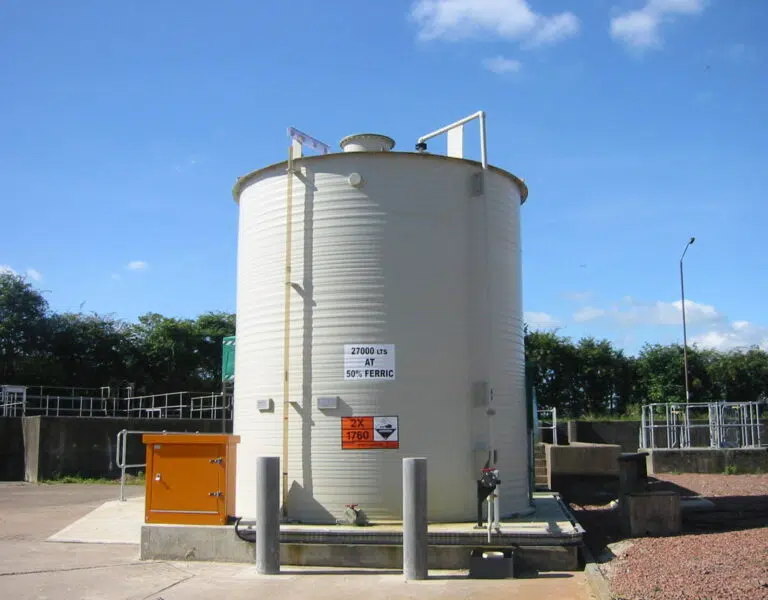
When it comes to chemical storage, there is no one-size-fits-all solution, so it’s important to do your research before making your purchase. Chemical storage tanks are used in a variety of applications to store essential liquids, such as water, acids, and bases, for chemical processes. With so many variables to consider when choosing the right chemical storage tank, understanding your application, storage requirements, and the differences between tanks is key. If you are storing and handling aggressive or corrosive chemicals in your processes, using the wrong chemical storage tank can have serious consequences. Always use a trusted chemical storage manufacturer that has plenty of experience in your industry, like Chem Resist, a popular tank supplier in the UK, as they can help support you through the buying process and beyond.
Material considerations
One of the most important factors to consider is the material and method used to manufacture your chosen chemical storage tank. To prevent corrosion, leaks, and loss-of-containment incidents from tank breakdown, ensure the tank material is compatible with the chemicals and concentrations used in your processes. Versatile materials like plastics are most commonly used for chemical storage tank construction, as they can safely contain a range of corrosive liquids and aggressive chemicals, such as high-density polyethylene used for HDPE tanks. HDPE is a popular material designed for making chemical storage tanks, known for its corrosion-resistant properties and UV resistance. HDPE tanks can be kept outdoors without the risk of being damaged by the elements and will last for decades if maintained correctly. Similarly, thermoplastic polypropylene tanks are a lightweight and flexible chemical storage option that can withstand high temperatures and safely store both acids and bases, making them suitable for a wide range of applications. Chemical storage tanks made from metals like carbon steel and stainless steel are designed for use in high-heat applications and fluctuating temperatures. Metal tanks are often corrosion-resistant, but they may need further internal linings and external protection from the elements if they are to be stored outside.
Chemical compatibility
Knowing and understanding the chemicals you are going to be storing plays a big part in finding the type of tank you need. The specifications of your tank will change depending on the liquids and chemicals you are using in your processes, as corrosive and aggressive chemicals, water, acids, bases, and heavy solutions all have different storage requirements. There are some hazardous chemicals that require your storage tanks to have additional safety measures built in to prevent accidents, injuries and spillages. You should also take into consideration the concentrations, volumes, and temperature of the stored liquids, ensuring your chemical storage tank is equipped to withstand these conditions. For example, hazardous chemicals like sulphuric acid are highly corrosive and reactive, so they should be stored away from other chemicals in bunded chemical storage tanks with additional containment solutions built in. The added protection of a bunded tank minimises the risk of water getting in and causing a violent chemical reaction, while also preventing anyone from coming into contact with the dangerous chemical accidentally.
Tank construction
The location of your chemical storage tank will likely affect the shape, size, and material of your required tank. It’s important to measure the area where your tank is going to be kept, ensuring there are no height restrictions, as tight spaces will require a taller tank with a small base. To make a tank large enough to hold the required volumes, tall tanks can be constructed to meet exact requirements using thermoplastic, a material designed for bespoke chemical storage tank manufacturing.
Bespoke chemical storage tanks are the best solution for smaller sites and facilities that need to store large volumes of chemicals. Tanks can be built to customers’ exact specifications and made to fit into the desired space, with access requirements, additional containment methods, and roof strengthening also available on request.
The base of your tank will depend entirely on the chemical, liquid or solution you are storing and how often you need to empty the tank. Chemical storage tanks are manufactured with flat bases as standard, making them suitable for almost all chemical storage applications. Tanks can also feature coned and sloped bases to prevent pooling and puddling and better match the chemical inside and desired use of the tank. Chemical storage tanks manufactured with cone-shaped bases are designed to be easy to empty, the shape rapidly funnels all liquid to the centre, making this the ideal base of choice if your tanks need to be fully drained regularly. Useful when storing heavy liquids and solutions with high solid content, storage tanks that feature a sloped base use the angled floor and gravity to direct liquids and sediment to a drain at the bottom of the tank, preventing buildup.
Chemical storage tank inspections
The liquids you are storing are potentially harmful, especially if you are using hazardous or toxic chemicals within your processes, so ensuring your tanks and containment methods are still safe to use is imperative. A large loss-of-containment incident caused by a damaged or faulty chemical storage tank can be catastrophic for your business, the environment, and anyone working in or around your site. You should be regularly inspecting and maintaining your chemical storage tanks according to the manufacturer’s instructions and sector regulations.
To check that your chemical storage tank is fully operational and safe to use, you should ensure there are no cracks, leaks or visible signs of wear anywhere inside or around your tank. Carrying out these checks accurately often requires the use of ladders, handrails, and access points, especially if you have a large, tall, or custom-sized chemical storage tank. Side manways and roof strengthening are also recommended to help operators carry out regular chemical storage tank inspections, but most tanks do not come with these features as standard. With bespoke chemical tank construction, these additional safety features can be included within the manufacturing process as part of the overall tank design.