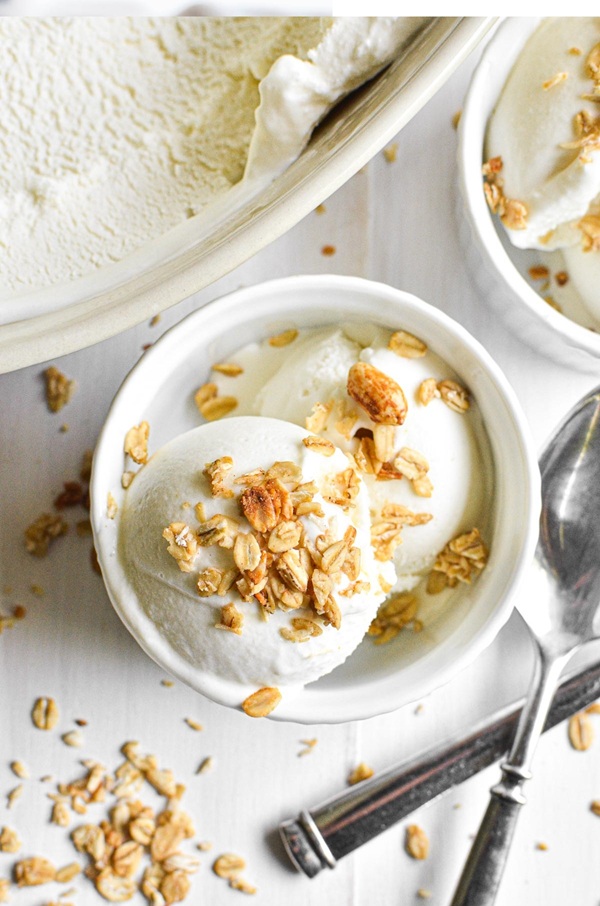
Frozen yogurt keeps its place on dessert menus for good reason. People love the tang, the lighter feel, and the sense they are treating themselves without going overboard. Yet a common belief trips up newcomers: that a strong recipe alone guarantees a strong product. It does not. The real difference lies in the ingredients, texture, temperature, and the machinery behind each scoop.
The Recipe Is Only the Starting Point
A good formula matters. Still, it represents a single piece of something much bigger. Hand two shops the exact same instructions and they can turn out desserts that taste nothing alike. The reason lives in the small variables: dairy quality, how active the cultures are, and the way sugar balances against everything else.
Fat content decides how a spoonful feels, and live cultures create that familiar tartness. Learning how is frozen yogurt made shows why each step shapes the finished dessert well past whatever appears on paper. Once these pieces drift out of balance, even a proven formula lets people down. Seasoned makers treat the recipe as groundwork rather than a final answer, tweaking as they watch each batch respond.
Ingredients Carry the Flavor
Flavor comes from what goes into the mix. Fresh milk, dependable yogurt cultures, and clean sweeteners set a product apart. Bargain substitutes tend to betray themselves fast, leaving chalky notes or a gritty feel that customers pick up on right away.
Dairy, cultures, and stabilizers together decide whether the result tastes full or hollow. Thoughtful sourcing guards the flavor and hands the dessert a rounder, more satisfying finish, the kind that pulls people back through the door.
Sweetener choice deserves attention too. Certain sugars freeze firmer than others, which changes how easily a scoop lifts and how rich each serving reads on the tongue.
Texture Comes From Science, Not Luck
Creamy, smooth frozen yogurt almost never arrives by chance. The size of the ice crystals decides whether a bite feels silky or coarse. Tiny crystals give that soft mouthfeel, and reaching them takes careful control over how quickly the mix freezes.
Overrun and Air Incorporation
The air folded into a mix, called “overrun,” shifts both density and feel. Skimp on it and the product turns dense and stubborn. Overdo it and you get something foamy and thin. Getting that ratio right is what quietly divides ordinary shops from the ones people rave about.
Stabilizers and Emulsifiers
Such additions stop big crystals from forming while the product sits in storage. They lock moisture in place and hold the dessert steady through temperature shifts. Handled with care, they stretch shelf life while leaving taste untouched.
Temperature Control Makes or Breaks It
Everything rides on temperature. Storage that keeps swinging causes melting and refreezing, which creates coarse crystals and wrecks the texture. Serving temperature counts just as much; too cold and the flavor hides, too soft and the scoop collapses.
Research on frozen desserts points to a sweet spot, roughly minus 12 to minus 15 degrees Celsius, for holding quality steady. Shops that monitor those numbers give guests a consistently pleasant experience, and that reliability builds loyalty.
Equipment Shapes the Outcome
Machines do more work than most people realize. A properly calibrated soft-serve unit manages freezing speed and air injection down to fine margins. Neglected or aging gear fights to stay consistent and spits out uneven batches instead.
Frequent cleaning heads off bacterial growth and safeguards both safety and flavor. Money spent on solid machinery earns itself back through fewer ruined batches and more satisfied guests. Following a maintenance routine keeps the whole operation running smoothly, so each serving is the same as the last.
Consistency Builds Loyalty
People come back for something they can rely on. A shop that gets texture perfect one afternoon and botches it the following day burns through goodwill quickly. Writing down processes, training staff properly, and checking batches often all feed into steady results.
Small quality checks scattered throughout production can flag issues before they spread. Tasting, measuring, and eyeing the texture at every stage give teams the chance to fix slips before anything reaches the counter. That kind of discipline elevates a decent dessert to one that people happily recommend to their friends.
Conclusion
Outstanding frozen yogurt says far more about the process than any written formula ever could. Ingredient quality, the science of texture, careful temperature management, and trustworthy equipment all pull together to shape each serving. Give every stage the respect it deserves and the results make the case on their own. Anyone set on raising their product should look past the recipe and pour equal care into the details that turn good frozen yogurt into something people remember.