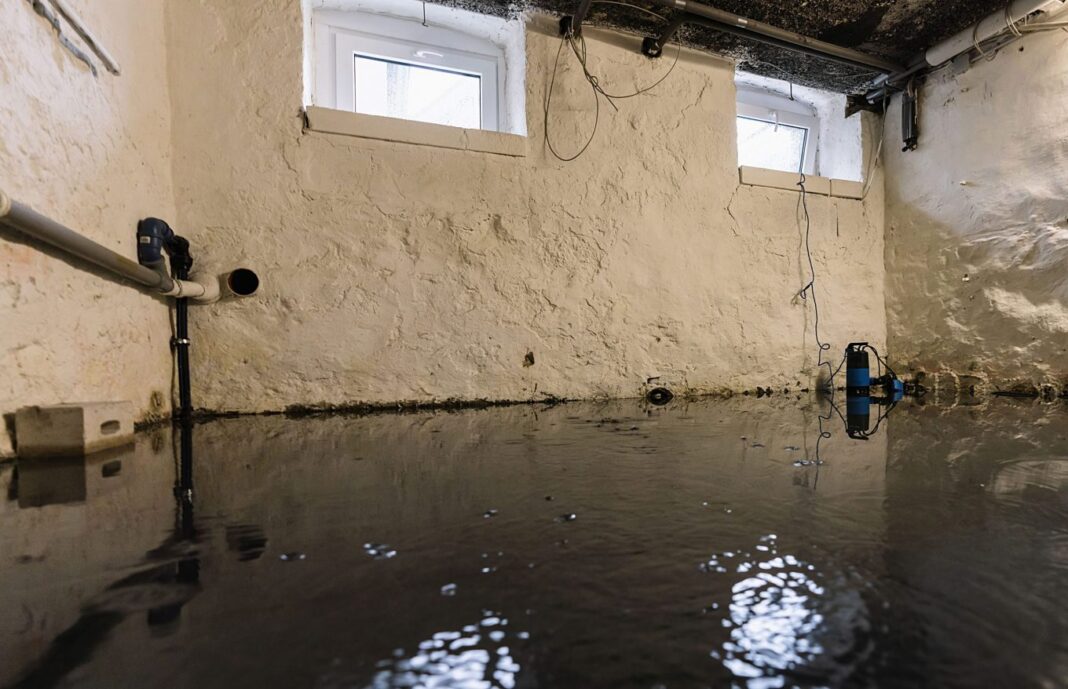
Basement seepage happens when groundwater and soil pressure start acting on below-grade structures over time. In real projects like government buildings and commercial basements, it is rarely a single defect. It usually develops from a mix of soil conditions, drainage behavior, and concrete permeability.
Engineers treat it as a site-level issue rather than a material failure, since water movement is influenced by surrounding ground conditions and not just the foundation itself.
How Seepage Develops in Basements
Water enters basement structures mainly through pressure buildup in surrounding soil. When groundwater rises, it pushes against walls and slabs, finding weak points like joints or small cracks.
Moisture also moves slowly through concrete due to its porous nature, even without visible leaks. In some sites, poor drainage around the building keeps soil wet for longer periods, increasing pressure on the structure.
- Groundwater pressure increases load on basement walls
- Soil saturation keeps moisture active around foundations
- Concrete allows slow moisture movement through pores
- Drainage failure extends exposure time of water near structure
These conditions often work together rather than acting independently.
Main Causes of Basement Seepage
The root causes are mostly linked to soil behavior and water movement around the foundation. In many cases, the structure itself is not damaged, but external pressure exceeds what the system can handle.
Clay-heavy soils tend to hold water longer, which increases pressure duration. Improper grading or blocked drainage systems can also direct water toward the building instead of away from it.
| Cause | Engineering Factor | Result |
| Hydrostatic pressure | Water table rise | Wall and floor leakage |
| Lateral soil pressure | Saturated backfill | Structural stress on walls |
| Poor drainage | Surface runoff accumulation | Continuous soil wetting |
Most seepage issues in field conditions start from water not being redirected properly away from the structure.
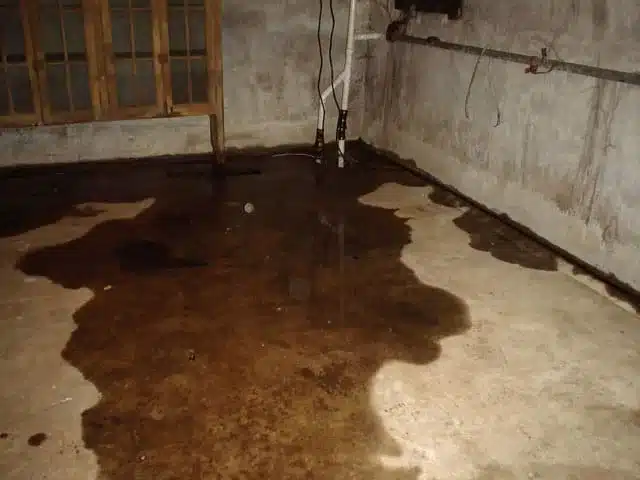
External Waterproofing Methods
External waterproofing is applied before water reaches the structure. It is mainly used in new construction where access to the foundation is available.
Common systems include membrane layers and drainage protection boards that block or redirect water flow. These systems reduce direct contact between groundwater and concrete surfaces.
- Liquid membranes form a continuous barrier on walls
- Sheet membranes provide controlled thickness protection
- Drain boards guide water away from foundation surfaces
This method is preferred when long-term protection of concrete is required from the start.
Internal Seepage Control Methods
Internal systems are used when external access is not possible, especially in existing buildings or urban sites.
These systems manage water after it enters the structure by redirecting it or sealing internal pathways.
- Perimeter drains collect water inside basement edges
- Sump pumps remove accumulated water from system
- Crystalline coatings reduce moisture movement in concrete
- Interior barriers limit vapor and damp penetration
This approach is mainly corrective and depends on continuous maintenance.
Material Behavior in Waterproofing Systems
Different waterproofing materials react differently depending on soil and pressure conditions. Selection depends on site exposure and structural movement rather than cost alone.
| Material | Use Condition | Key Strength | Limitation |
| Bentonite systems | Substructure lining | Expands on wetting | Needs confinement |
| Synthetic membranes | External waterproofing | High durability | Installation sensitivity |
| Polyurethane resin | Active leaks | Flexible sealing | Non-structural use |
| Epoxy resin | Structural cracks | High bonding strength | Requires dry surface |
Material performance is closely linked to installation quality and site conditions.
Crack Sealing in Existing Structures
When seepage is localized, injection methods are used instead of full waterproofing systems. These are common in repair work for basements and retaining walls.
Polyurethane injection is used when water is actively entering cracks. It expands and blocks flow paths while remaining flexible under movement.
Epoxy injection is used when structural strength needs restoration, but it requires stable and dry conditions for proper bonding.
These methods are selected based on whether the issue is leakage control or structural repair.
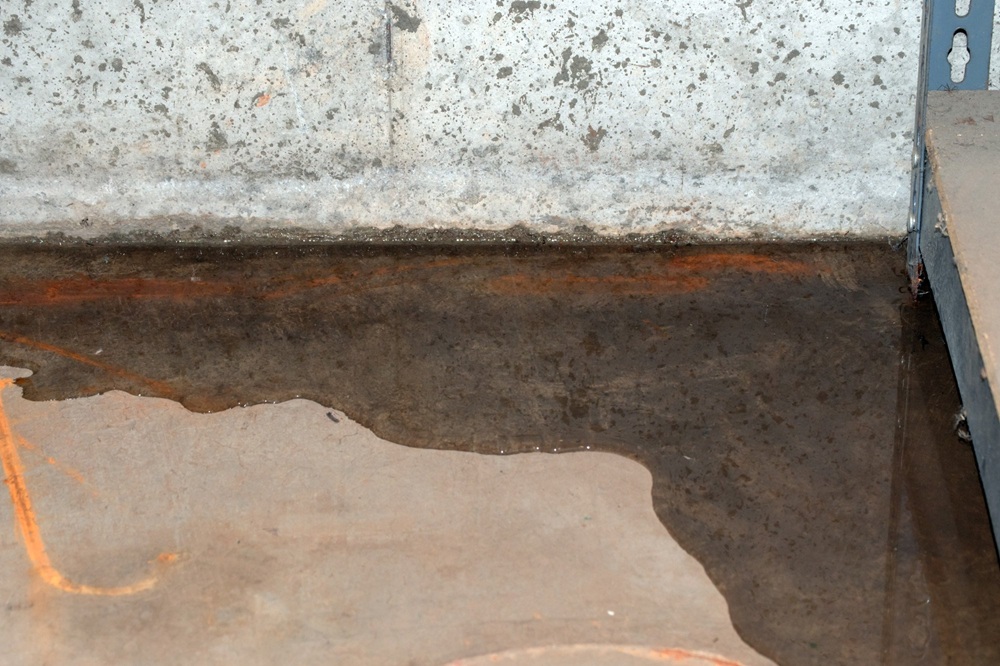
Ground Improvement for Severe Seepage Cases
In large infrastructure or unstable soil zones, seepage control may require soil-level intervention rather than only structural treatment.
- Soil mixing improves weak ground using cement binding
- Slurry walls reduce water movement around foundations
- Grout injection fills underground voids and limits seepage paths
These methods are used when surface waterproofing alone is not enough.
What Works in Basement Seepage Control
Basement seepage is mainly driven by groundwater pressure, soil behavior, and drainage performance around the structure. In most real projects, the issue develops gradually rather than appearing suddenly.
Effective control depends on selecting the right combination of external protection, internal management, and soil condition handling based on site requirements.