
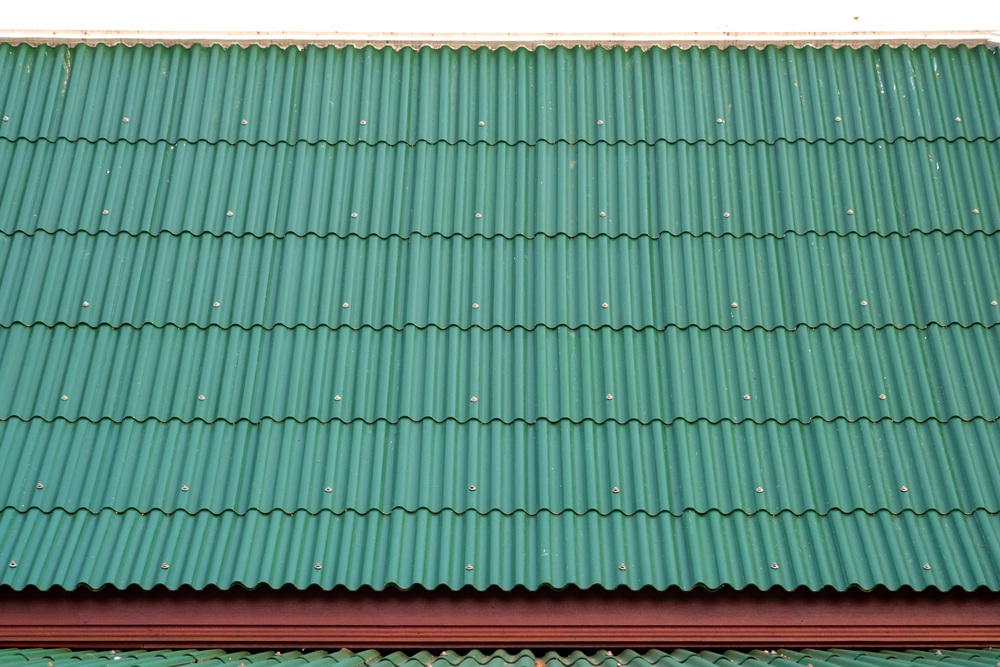
Corrugated roofing is lighter than many traditional roofing materials and is commonly installed on large roof areas in industrial and commercial buildings.
Over time, the material quality and coating systems have also improved. Because of that, corrugated roofing is now used not only in industrial buildings, but also in commercial projects and modern construction work.
Why Corrugated Roofing Is Structurally Strong
Corrugated roofing gets most of its strength from the profile shape. The ridges across the sheet make it more rigid compared to plain flat metal sheets, so the roofing can take more load without needing very heavy material.
The sheets cover bigger roof areas while keeping the overall roof weight comparatively lower during structural planning and installation.
Common structural advantages
- Better load distribution
- Suitable for wider roof spans
- Lower structural weight
Corrugated roofing also handles temperature movement more effectively. Since metal expands and contracts during weather changes, the profile helps reduce stress near fasteners and overlap sections over time.
Corrugated Roofing Materials Used in Modern Projects
Different corrugated roofing materials are used based on weather exposure, project type, and maintenance requirements.
| Material Type | Common Usage |
| Galvanized Steel | General industrial roofing |
| Galvalume Steel | Commercial and long-term roofing projects |
| Aluminum Roofing | Coastal and humid locations |
| Polycarbonate Sheets | Skylights and daylight sections |
| FRP Roofing | Chemical and processing industries |
Galvanized steel is commonly used for regular industrial roofing projects because of its cost advantage. Galvalume sheets are preferred in many commercial projects where better corrosion resistance and longer service life are required.
Aluminum roofing is more common in coastal areas due to constant moisture and salt exposure. Some projects also use PVDF coated roofing sheets to reduce fading and surface wear in high heat conditions.
Cost and Long-Term Value
The starting cost of corrugated metal roofing can be higher than asphalt roofing in some projects, but the roof usually lasts much longer with less repair and replacement work in between. Because of that, it is commonly used in factories, warehouses, and infrastructure buildings where long-term maintenance becomes part of the overall project cost.
Practical cost advantages
- Lower maintenance over time
- Less frequent roof replacement
- Fewer repair issues in heavy rain conditions
In some projects, corrugated roofing sheets are also installed over existing roofing layers, which helps reduce dismantling and disposal work on site.

Heat and Energy Performance
Large roof areas usually absorb more heat during the day, especially in factories, warehouses, and industrial buildings. To reduce this, many corrugated roofing sheets now come with reflective coatings and cool roof finishes.
Common heat-related advantages:
- Reduced roof surface heat absorption
- Lower indoor heat buildup during daytime
- Reflective coating options for hot climates
Low-gloss and coated roofing finishes are also used in commercial projects where both appearance and thermal performance are considered during material selection.
Rainwater and Solar Integration
Corrugated roofing is also used in many buildings where rainwater collection systems are planned. Since the sheet profile allows water to flow more easily toward gutters and drainage lines, it becomes more practical for rainwater harvesting during regular seasonal rainfall.
Metal roofing is also preferred for solar panel installation because the roof generally lasts for many years without major replacement work.
Common applications
- Industrial sheds
- Warehouses
- Agricultural buildings
- Utility structures
- Commercial facilities
Performance in Coastal and Industrial Areas
In coastal regions, roofing sheets are exposed to moisture and salt in the air almost throughout the year. Aluminum roofing and coated galvalume sheets are commonly used in these environments because they handle corrosion better over time.
For industrial processing plants, FRP roofing is also selected in some cases due to its resistance to chemicals and moisture exposure.
Modern corrugated roofing systems also use better insulation and underlayers compared to older installations, which helps control rain noise inside the building.
Corrugated Roofing Today
Corrugated roofing continues to be a common choice in industrial, commercial, and infrastructure construction, especially for projects where the roof is expected to last for many years with regular exposure to weather and site conditions. With different material and coating options available now, the roofing can also be selected based on the type of environment and project requirement.
Along with structural strength, the roofing system is now also used in projects where heat control, rainwater collection, and solar panel installation are part of the overall building plan.






