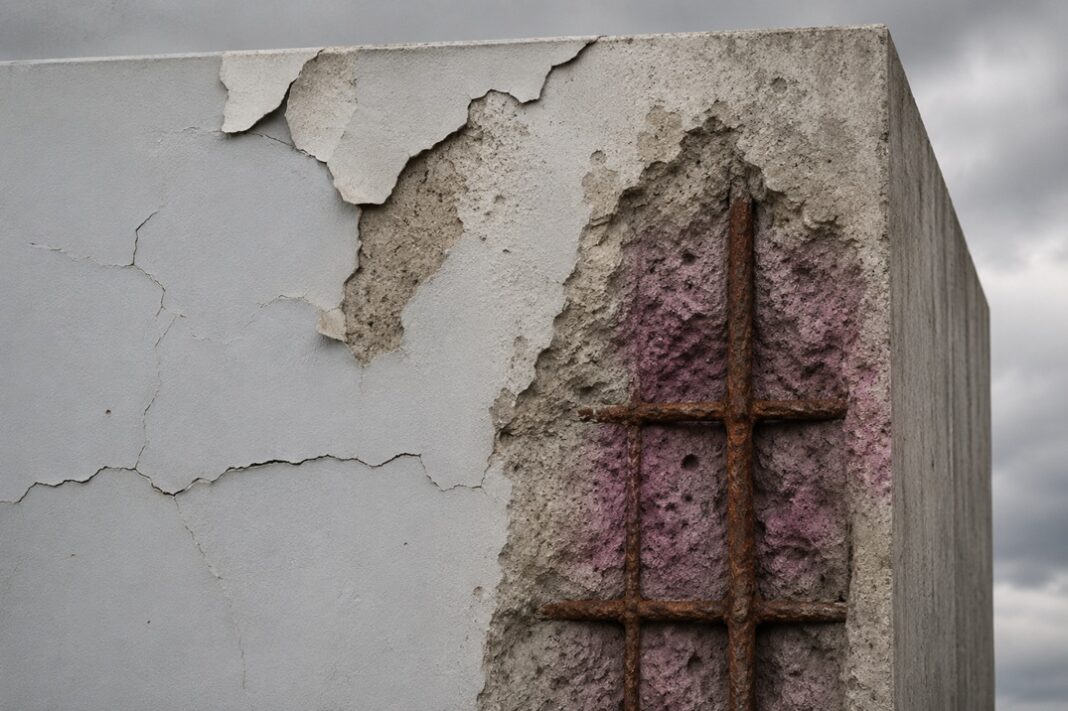
Anti-carbonation coatings play an important role in extending the service life of reinforced concrete structures. By limiting the ingress of carbon dioxide (CO₂), these coatings help maintain the alkalinity of concrete and protect embedded steel reinforcement from corrosion. However, despite their importance, failures in anti-carbonation coatings are not uncommon. In most cases, these failures are not caused by the material alone, but by a combination of design gaps, improper application practices, substrate deficiencies, and environmental exposure.
Understanding the Role of Anti-Carbonation Coatings
Before examining failures, it is important to understand how these coatings function. Concrete naturally has a high pH (typically between 12.5 and 13.5), which creates a passive protective layer around steel reinforcement. When CO₂ penetrates the concrete, it reacts with calcium hydroxide to form calcium carbonate, gradually reducing the pH – a process known as carbonation.
Anti-carbonation coatings act as a protective barrier by slowing down the diffusion of CO₂ into the concrete while still allowing water vapor to escape. This balance is essential. If the coating restricts vapor permeability, trapped moisture can lead to secondary durability issues such as blistering, bubbling, or delamination.
Equally important is the method of application. Even the best-performing coating system can fail prematurely if applied incorrectly or under unsuitable site conditions.
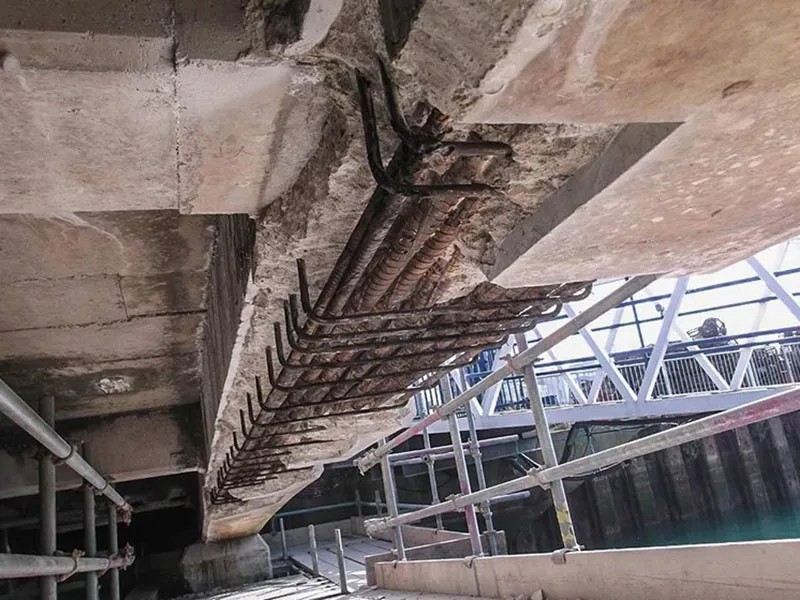
Common Failures and How to Prevent Them
The following sections outline the most common failure symptoms observed in anti-carbonation coatings, along with practical strategies to prevent them.
1. Poor Surface Preparation
The Problem
One of the leading causes of coating failure is inadequate surface preparation. Concrete substrates often contain dust, laitance, oil, grease, or previous coatings that prevent proper adhesion.
Visible Signs of Failure
- Peeling or flaking of coating
- Delamination within months of application
- Uneven finish or patchy coverage
Root Cause
Coatings rely on mechanical and chemical bonding with the substrate. Any contamination weakens this bond, leading to premature failure.
How to Avoid It
- Ensure thorough cleaning using methods like abrasive blasting, grinding, or high-pressure water jetting
- Remove laitance completely
- Repair cracks and honeycombs before coating
- Check surface moisture levels before application
A well-prepared surface can improve coating life more than any premium material.
2. Application on High Moisture Substrates
The Problem
Applying anti-carbonation coatings on damp or water-saturated concrete is a common mistake, especially in humid climates or after rain.
Visible Signs of Failure
- Blistering
- Bubbling
- Loss of adhesion
- White patches or efflorescence
Root Cause
Moisture trapped beneath the coating tries to escape as vapor, creating pressure that disrupts the coating layer.
How to Avoid It
- Measure moisture content using reliable tools
- Allow sufficient drying time after cleaning or rain
- Use breathable coatings with high vapor permeability
- Avoid application during high humidity or low temperature conditions
3. Inadequate Crack Treatment
The Problem
Anti-carbonation coatings are often applied directly over cracks without proper treatment, assuming the coating will bridge them.
Visible Signs of Failure
- Cracks reappear through the coating
- Localized coating failure along crack lines
- Accelerated carbonation through cracks
Root Cause
Most coatings have limited crack-bridging ability. Structural or active cracks require dedicated repair systems.
How to Avoid It
- Identify crack type: structural vs. non-structural
- Use elastomeric crack fillers or sealants
- For active cracks, use flexible systems designed for movement
- Ensure compatibility between repair material and coating
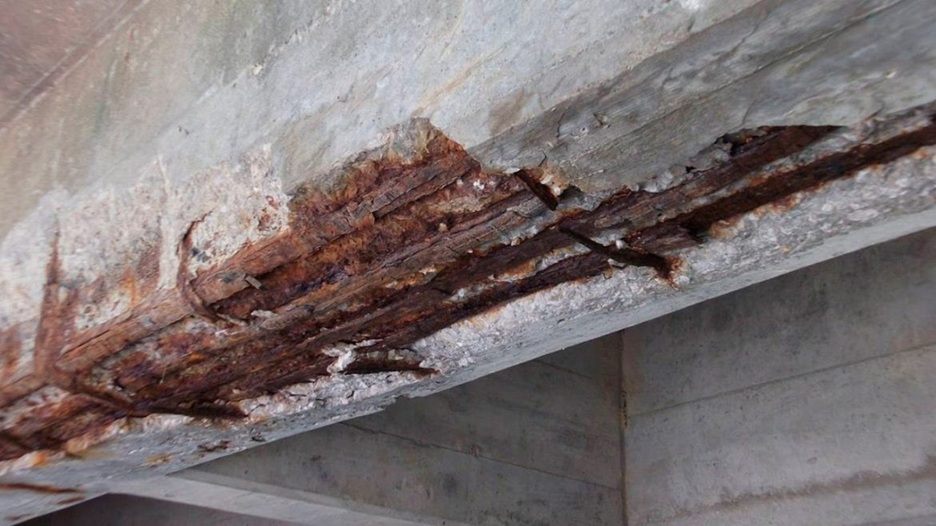
4. Incorrect Coating Selection
The Problem
Using the wrong type of anti-carbonation coating for a specific environment or structure.
Visible Signs of Failure
- Rapid deterioration in aggressive environments
- Loss of elasticity
- Reduced protective performance
Root Cause
Different structures require different properties—such as UV resistance, flexibility, permeability, and chemical resistance.
How to Avoid It
- Evaluate exposure conditions (urban, coastal, industrial)
- Choose coatings with proven CO₂ diffusion resistance
- Ensure compatibility with substrate and existing coatings
- Consider lifecycle performance, not just initial cost
5. Insufficient Coating Thickness
The Problem
Applying coatings thinner than the specified dry film thickness (DFT).
Visible Signs of Failure
- Reduced carbonation resistance
- Early degradation
- Non-uniform protection
Root Cause
The effectiveness of anti-carbonation coatings depends on achieving a minimum thickness to act as a barrier.
How to Avoid It
- Follow manufacturer’s DFT recommendations strictly
- Use calibrated tools to measure thickness
- Apply multiple coats if required
- Train applicators to ensure consistency
6. Poor Application Practices
The Problem
Improper mixing, uneven application, or lack of skilled labor.
Visible Signs of Failure
- Streaks and uneven finish
- Weak spots in coating
- Premature wear and tear
Root Cause
Even high-quality coatings fail if not applied correctly. Variations in application technique lead to inconsistent performance.
How to Avoid It
- Use trained and certified applicators
- Follow manufacturer guidelines for mixing and application
- Maintain consistent application methods (roller, spray, brush)
- Ensure proper curing between coats
7. Environmental Exposure During Application
The Problem
Applying coatings under unsuitable environmental conditions such as extreme heat, rain, or high wind.
Visible Signs of Failure
- Cracking
- Poor adhesion
- Surface defects
Root Cause
Environmental factors affect drying time, curing, and film formation.
How to Avoid It
- Avoid application during rain or direct sunlight
- Monitor temperature and humidity levels
- Use protective coverings if necessary
- Follow recommended environmental limits
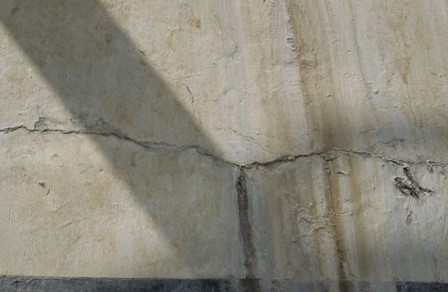
8. Lack of Maintenance
The Problem
Assuming that anti-carbonation coatings are maintenance-free.
Visible Signs of Failure
- Gradual loss of performance
- Undetected damage
- Localized failures spreading over time
Root Cause
Over time, coatings degrade due to UV exposure, pollution, and mechanical wear.
How to Avoid It
- Conduct periodic inspections
- Repair damaged areas promptly
- Recoat at recommended intervals
- Maintain drainage systems to avoid water accumulation
9. Substrate Movement and Structural Issues
The Problem
Applying coatings on structurally unstable or moving substrates.
Visible Signs of Failure
- Cracking and delamination
- Coating rupture
- Loss of protection
Root Cause
Coatings cannot compensate for structural deficiencies or excessive movement.
How to Avoid It
- Assess structural stability before coating
- Use flexible coatings where movement is expected
- Address underlying structural issues first
10. Chemical and Environmental Degradation
The Problem
Exposure to pollutants, salts, and aggressive chemicals not accounted for during design.
Visible Signs of Failure
- Discoloration
- Loss of elasticity
- Surface erosion
Root Cause
Some coatings are not designed to withstand harsh chemical environments.
How to Avoid It
- Select coatings with chemical resistance where required
- Consider hybrid or advanced systems for industrial areas
- Evaluate long-term exposure conditions
Best Practices for Long-Term Performance
To ensure anti-carbonation coatings perform effectively over time, a holistic approach is required:
1. Proper Assessment
- Conduct carbonation depth testing
- Evaluate substrate condition
- Identify repair needs
2. Integrated Repair Strategy
- Combine crack repair, surface preparation, and coating
- Avoid treating coating as a standalone solution
3. Quality Control
- Monitor application at every stage
- Use checklists and inspection protocols
4. Skilled Workforce
- Invest in training applicators
- Ensure supervision by experienced professionals
5. Lifecycle Thinking
- Focus on durability and maintenance planning
- Avoid cost-cutting that compromises performance
Conclusion
Failures in anti-carbonation coatings are rarely due to a single factor. They are typically the result of a chain of oversights, from inadequate surface preparation and poor material selection to improper application and lack of maintenance.
The key takeaway is simple: anti-carbonation protection is not just about applying a coating; it is about understanding the structure, environment, and long-term performance requirements. When executed correctly, these coatings can significantly extend the lifespan of concrete structures, reduce maintenance costs, and improve structural safety.
By addressing the common failure points discussed in this article and adopting best practices, engineers, contractors, and asset owners can ensure that anti-carbonation coatings deliver their intended performance over the long term.