What is Polyurethane Foam Insulation?
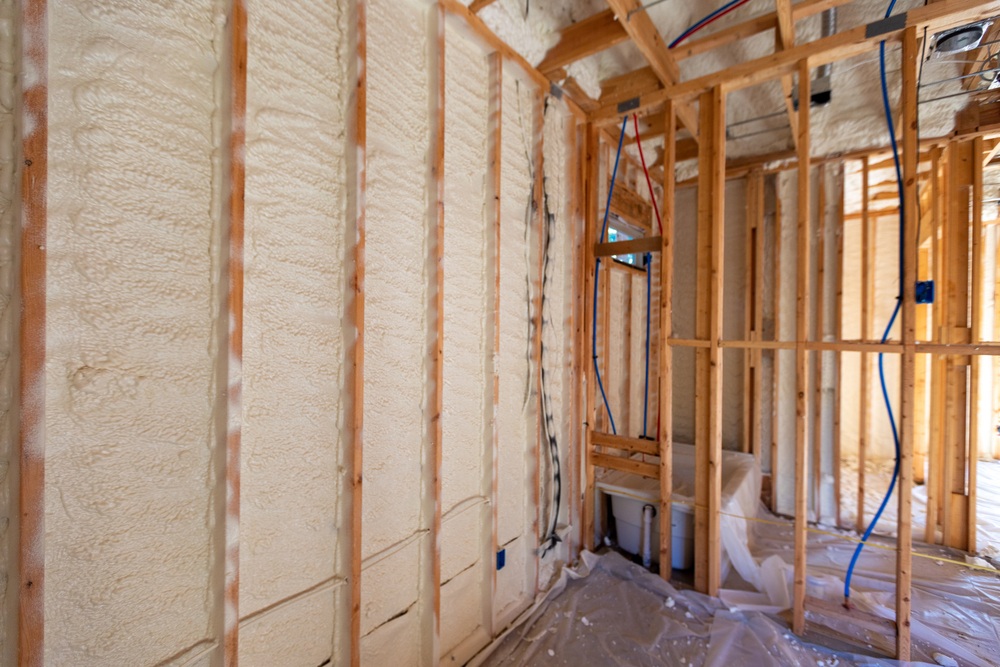
Polyurethane foam insulation is a synthetic insulation material produced through a chemical reaction between polyols and isocyanates. When these chemicals are mixed, they expand rapidly and form foam that hardens into an insulating layer. This foam can be sprayed, injected, or manufactured into rigid panels depending on the application.
The main purpose of polyurethane foam insulation is to reduce heat transfer between indoor and outdoor environments. It creates a thermal barrier that minimizes heat loss during winter and heat gain during summer, thereby reducing energy consumption for heating and cooling systems.
One of the most important characteristics of polyurethane foam insulation is its high R-value, which measures thermal resistance. Compared to many traditional insulation materials, polyurethane foam offers higher insulation performance even with thinner layers.
Types of Polyurethane Foam Insulation
Polyurethane foam insulation is generally classified into different categories based on density, structure, and application method.
Open-Cell Polyurethane Foam
Open-cell polyurethane foam is a lightweight and flexible insulation material with interconnected cellular structures that allow limited air movement within the foam. This structure enables the material to expand significantly during installation, making it highly effective for filling cracks, gaps, and irregular spaces. Open-cell foam is widely appreciated for its excellent sound absorption properties and effective air sealing performance. It is softer and less dense compared to closed-cell foam, which also makes it more cost-effective. However, open-cell foam has lower moisture resistance and is generally more suitable for indoor insulation requirements where exposure to water or humidity is limited.
Closed-Cell Polyurethane Foam
Closed-cell polyurethane foam is a dense and rigid insulation material designed to provide superior thermal insulation and moisture resistance. The cells within the foam are completely sealed and tightly packed, which enhances insulation performance and increases structural strength. Closed-cell foam offers a high R-value, making it highly efficient in reducing heat transfer and improving energy efficiency. Its strong air barrier properties and water resistance help protect structures from moisture penetration, dampness, and environmental damage. In addition to insulation, closed-cell foam also contributes to the structural stability and durability of buildings, making it one of the most reliable insulation materials used in modern construction.
Spray Polyurethane Foam (SPF)
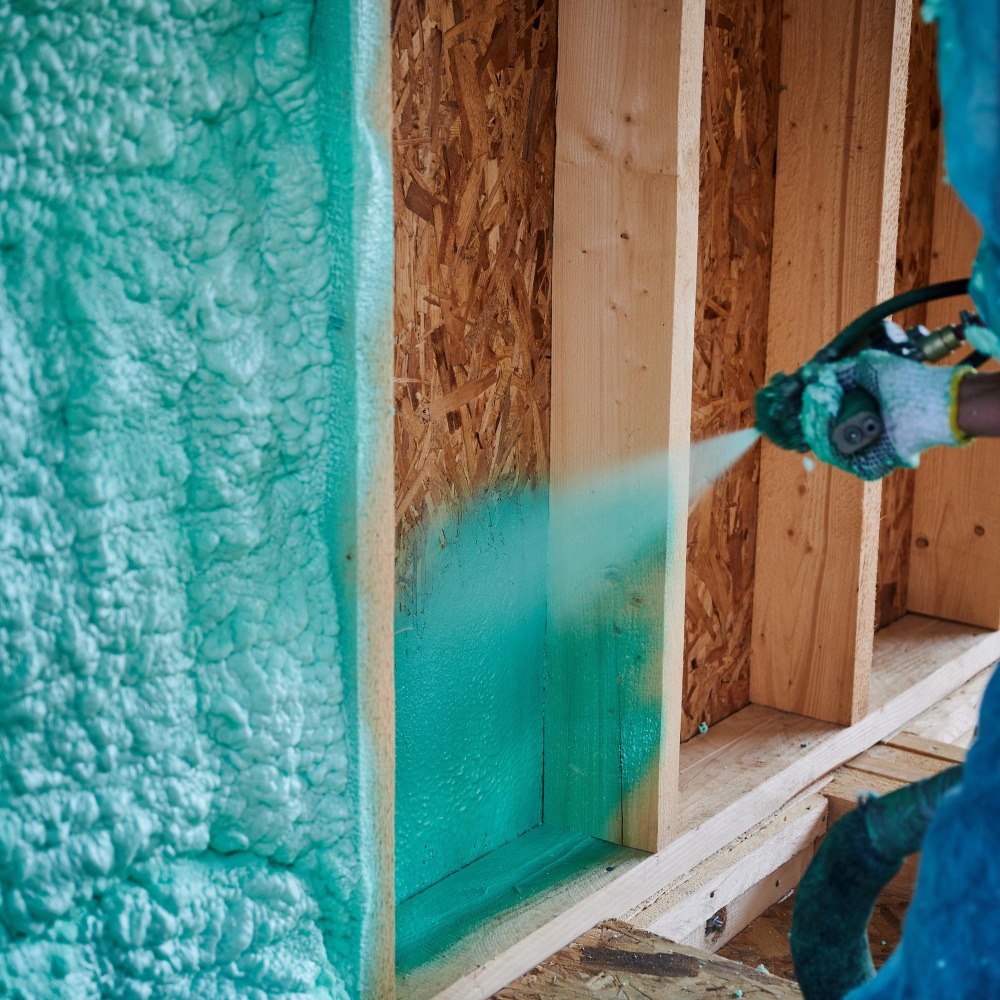
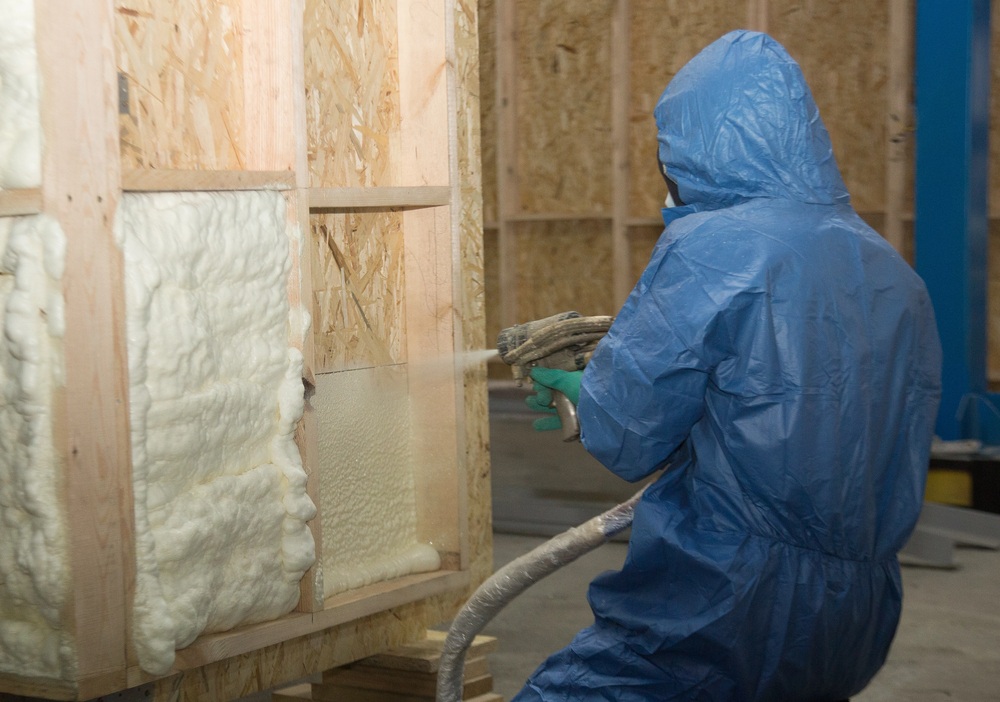
Spray Polyurethane Foam, commonly known as SPF, is an advanced insulation solution applied directly onto surfaces using specialized spray equipment. Once sprayed, the foam expands rapidly and forms a seamless, airtight insulating layer. SPF is highly effective in covering uneven surfaces and sealing tiny gaps, joints, and cracks that traditional insulation materials may not fully cover. Its ability to create a continuous insulation barrier helps minimize air leakage, thermal bridging, and energy loss. Spray polyurethane foam is valued for its excellent thermal efficiency, long-lasting performance, and ability to improve indoor comfort by maintaining stable indoor temperatures.
Rigid Polyurethane Foam Boards
Rigid polyurethane foam boards are prefabricated insulation panels manufactured to provide high thermal resistance and long-term insulation performance. These boards are lightweight yet strong, making them easy to handle and install while maintaining structural durability. Rigid foam boards offer excellent insulation efficiency even with thinner layers, helping optimize space and improve energy conservation. Their moisture resistance, durability, and dimensional stability make them highly reliable for long-term use. The boards are also resistant to sagging and deterioration, ensuring consistent insulation performance over extended periods.
Benefits of Polyurethane Foam Insulation
Polyurethane foam insulation offers numerous advantages that make it a preferred insulation solution across industries.
1. Superior Thermal Insulation
One of the biggest advantages of polyurethane foam insulation is its exceptional thermal resistance. It effectively reduces heat transfer and helps maintain stable indoor temperatures.
This reduces dependency on heating and cooling systems, leading to lower electricity consumption and energy bills.
2. Energy Efficiency
Buildings insulated with polyurethane foam consume less energy because the insulation minimizes air leakage and thermal loss.
Energy-efficient buildings are increasingly important due to rising energy prices and sustainability regulations.
3. Airtight Sealing
Unlike conventional insulation materials, polyurethane foam expands to fill even the smallest cracks and cavities. This creates an airtight seal that prevents air infiltration and drafts.
Airtight insulation improves indoor comfort and prevents energy wastage.
4. Moisture Resistance
Closed-cell polyurethane foam acts as a moisture barrier and helps prevent water penetration. This reduces the risk of mold growth, dampness, and structural damage.
Moisture resistance is particularly important in humid climates and industrial applications.
5. Structural Strength
Closed-cell foam adds rigidity and strength to walls and roofing systems. This additional structural support can improve the durability and stability of buildings.
6. Sound Insulation
Open-cell polyurethane foam has excellent sound absorption properties. It reduces noise transmission between rooms and improves indoor acoustic comfort.
This makes it ideal for residential buildings, offices, studios, and theatres.
7. Long Lifespan
Polyurethane foam insulation is durable and maintains its performance for many years without sagging or settling.
Its long service life reduces maintenance and replacement costs.
Applications of Polyurethane Foam Insulation
Polyurethane foam insulation is widely used across residential, commercial, and industrial sectors.
1. Residential Buildings
In homes, polyurethane foam insulation is used for:
- Walls
- Roofs
- Attics
- Basements
- Floors
It helps maintain comfortable indoor temperatures and reduces energy bills.
2. Commercial Buildings
Commercial complexes, offices, malls, and hotels use polyurethane foam insulation for improved energy efficiency and HVAC performance.
3. Industrial Applications
Industries use polyurethane foam insulation in:
- Warehouses
- Cold storage units
- Refrigeration systems
- Pipelines
- Tanks
Industrial insulation improves process efficiency and temperature control.
4. Roofing Systems
Spray polyurethane foam is widely used in roofing because it creates a seamless waterproof and insulated surface.
It also helps reduce roof heat gain in hot climates.
5. HVAC Systems
PU foam insulation is used in HVAC ducts and pipelines to reduce energy loss and improve cooling efficiency.
6. Cold Storage and Refrigeration
Rigid polyurethane foam panels are extensively used in cold rooms and refrigerated transport systems because of their high insulation performance.
Environmental Impact of Polyurethane Foam Insulation
Polyurethane foam insulation contributes to energy conservation by reducing building energy consumption. Lower energy usage helps decrease greenhouse gas emissions associated with electricity generation.
However, the manufacturing process of polyurethane foam involves petrochemical-based raw materials and chemical blowing agents. Some traditional blowing agents have environmental concerns related to global warming potential.
To address these concerns, manufacturers are increasingly developing eco-friendly polyurethane foams using low-emission blowing agents and sustainable raw materials.
Future Trends in Polyurethane Foam Insulation
The future of polyurethane foam insulation is driven by sustainability, innovation, and energy efficiency.
Emerging Trends Include
- Eco-friendly blowing agents
- Bio-based polyurethane foams
- Smart insulation systems
- Improved fire-resistant formulations
- Advanced spray foam technologies
- Green building integration
As governments worldwide focus on reducing carbon emissions and promoting energy-efficient buildings, polyurethane foam insulation is expected to witness significant market growth.
Conclusion
Polyurethane foam insulation has transformed the construction and insulation industry through its excellent thermal performance, airtight sealing capability, durability, and versatility. Whether used in homes, commercial buildings, industrial plants, or cold storage facilities, it offers significant benefits in terms of energy savings, moisture resistance, and indoor comfort.
Open-cell foam provides effective sound insulation and flexibility, while closed-cell foam delivers superior thermal resistance and structural strength. Spray polyurethane foam and rigid insulation boards further expand its range of applications.
Although polyurethane foam insulation has some challenges such as higher installation costs and environmental concerns related to manufacturing, continuous technological advancements are making it safer, greener, and more sustainable.
As the global construction industry increasingly moves toward energy-efficient and environmentally responsible practices, polyurethane foam insulation will continue to play a crucial role in modern building design and industrial insulation systems.