
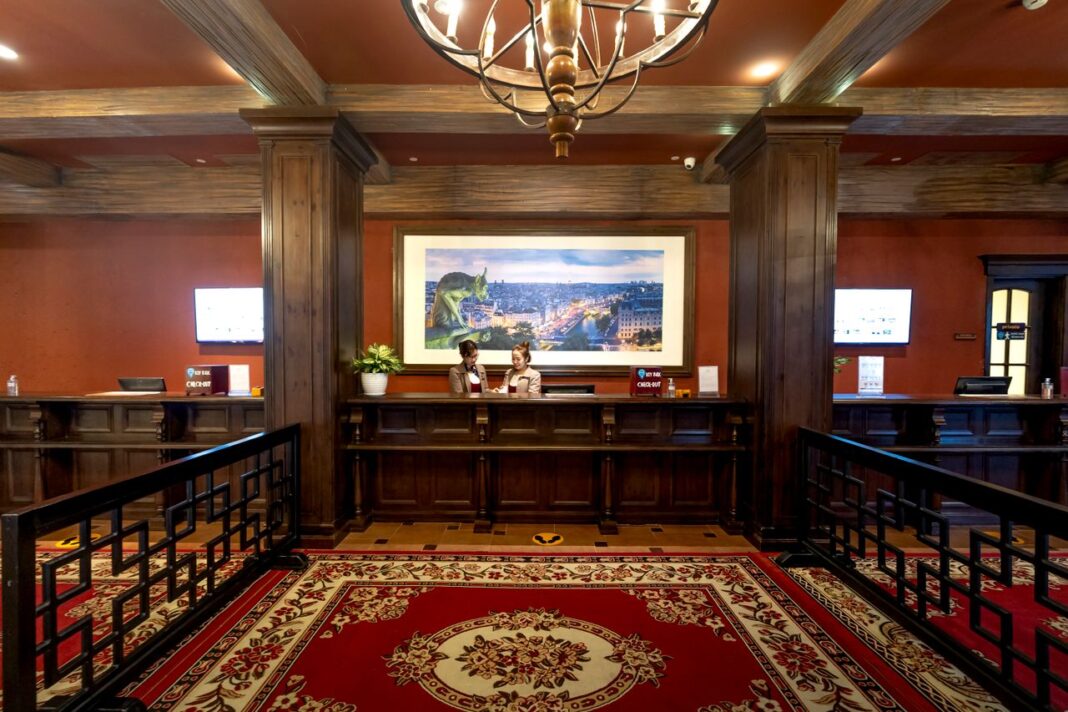
A hotel is far more than a building offering accommodation. It is a complex, round-the-clock operation that brings together guest rooms, restaurants, commercial kitchens, banquet facilities, recreational spaces, laundry services and several back-of-house functions. Each of these spaces has distinct infrastructure requirements, and their successful operation depends on the seamless integration of building services.
As hospitality developments become increasingly sophisticated, the expectations of guests and operators are also evolving. Comfort, indoor air quality, uninterrupted power, water efficiency, fire safety and operational reliability are no longer independent considerations. They are interconnected elements that determine the overall hospitality experience.
For developers and hotel operators, this makes infrastructure planning a critical part of the development process. Mechanical, Electrical, Plumbing and Fire Fighting (MEPF) systems, commercial kitchen ventilation, fire protection and food safety provisions must be considered together, from the conceptual design stage through construction, commissioning and building operation.
The foundation of hotel performance
MEPF systems form the operational backbone of any hospitality property. They regulate indoor temperatures, maintain air quality, distribute electrical power, manage water supply and drainage, and support the numerous services required for uninterrupted hotel operations.
The engineering challenge lies in accommodating different requirements within the same property. Guest rooms demand individual comfort and temperature control, banquet halls require flexible HVAC arrangements to accommodate varying occupancy, commercial kitchens generate substantial heat and exhaust loads, while swimming pools, laundries and recreational facilities have specialised mechanical and plumbing requirements.
Energy management is another important consideration. HVAC systems, lighting, hot-water generation and kitchen equipment contribute significantly to hotel energy consumption. Efficient chillers, variable frequency drives (VFDs), heat recovery systems, occupancy-based controls and intelligent Building Management Systems (BMS) can help optimise energy performance without compromising guest comfort.
Water infrastructure deserves similar attention. Efficient pumping arrangements, hot-water circulation, water treatment, wastewater management, rainwater harvesting and recycling systems can reduce resource consumption and operating costs. Adequate electrical capacity, standby power, redundancy in critical systems and provisions for future expansion are equally important in ensuring operational continuity.
Our experience in the hospitality sector, across numerous projects such as HHI Hotels in Pune and Bhubaneswar, GRTS Hotel in Chennai, a hotel development in Myanmar and Suchir India Resorts in Hyderabad, has given us considerable exposure to the varied engineering requirements of hospitality developments across different locations and operating environments.
These projects reinforce an important principle: hotel infrastructure cannot follow a uniform engineering template. Every property requires solutions aligned with its scale, architectural character, occupancy profile and operational objectives.
Engineering the commercial kitchen
Commercial kitchens are among the most demanding areas of a hotel from an MEPF engineering perspective. High-temperature cooking equipment, multiple preparation stations and continuous food production generate heat, smoke, grease and moisture. Effective ventilation is therefore essential to maintaining acceptable working conditions, protecting equipment and preventing cooking-related odours from affecting guest areas.
Kitchen ventilation systems must be designed around the type of cooking equipment, expected food production volumes and spatial arrangement. Exhaust hoods and grease filters capture airborne contaminants, while appropriately sized ductwork and extraction fans discharge them safely. Make-up air systems replace the extracted air and help maintain pressure balance between kitchens, dining areas and adjoining spaces.
The engineering becomes more challenging when hotels operate multiple restaurants, speciality kitchens, banquet kitchens and room-service facilities. Each kitchen may have different exhaust requirements, operating schedules and fire risks.
Grease accumulation within exhaust ducts and chimneys is a significant fire hazard. Appropriate duct construction, accessible cleaning points, effective filtration and scheduled maintenance are essential. Kitchen exhaust systems must also be coordinated with suitable fire suppression arrangements in accordance with applicable fire safety standards and design requirements.
At the planning stage, coordination between kitchen equipment suppliers, architects, HVAC consultants and fire protection engineers is particularly important. Late-stage modifications can affect ceiling heights, shaft provisions, electrical loads and the overall functionality of the kitchen.
Fire safety as an operational responsibility
Hotels combine accommodation areas with large public spaces, restaurants, banquet halls, service areas and complex electrical installations. Their fire safety strategy must therefore address a wide range of occupancy patterns and potential emergency scenarios.
The National Building Code of India 2016, particularly Part 4, provides the framework for fire prevention and life safety. Depending on the building classification and applicable statutory requirements, this involves fire detection and alarm systems, automatic sprinklers, hydrants, fire extinguishers, smoke management, fire-rated compartmentation, emergency lighting and clearly defined evacuation routes.
Special attention is required in commercial kitchens, electrical rooms, DG installations, service shafts and other high-risk areas. The integration of kitchen hood suppression systems, appropriate fire-rated duct arrangements and coordinated fire alarm interfaces is essential.
In hospitality developments, fire safety cannot be treated merely as a statutory approval requirement. It must be viewed as an ongoing operational responsibility. Regular inspections, equipment testing, maintenance programmes, staff training and emergency preparedness are necessary to ensure that the systems perform effectively when required.
The design team must also consider the coordination of fire protection systems with architectural planning and interior design. Concealed services, false ceilings, decorative finishes and space constraints should never compromise accessibility, maintainability or life safety.
Food safety and kitchen infrastructure
Food safety is closely linked to the way hotel kitchens, food preparation areas and storage facilities are designed. The Food Safety and Standards Authority of India (FSSAI), through Schedule 4 of the Food Safety and Standards (Licensing and Registration of Food Businesses) Regulations, 2011, establishes hygiene and sanitation requirements for applicable food business operators.
These requirements have direct implications for building infrastructure. Potable water availability, hygienic drainage, refrigeration, temperature-controlled storage, waste disposal and pest management must be addressed during the design process.
Kitchen layouts should facilitate the hygienic movement of ingredients, food preparation and service activities. Appropriate separation of raw and cooked food, dedicated washing facilities, suitable flooring and easily cleanable surfaces are essential.
From an engineering perspective, drainage gradients, grease traps, ventilation, refrigeration loads and hot-water provisions must be coordinated with kitchen operations. These provisions become particularly important in hotels operating multiple restaurants, banquet facilities and large-scale catering services.
Integration: The key to long-term hotel performance
The long-term performance of a hospitality property depends not simply on the quality of individual systems but on how effectively they work together.
An HVAC system influences guest comfort and energy consumption. Kitchen ventilation affects indoor air quality and fire safety. Electrical infrastructure supports uninterrupted operations, while water and drainage systems influence hygiene and resource efficiency. Fire protection systems must function in coordination with detection, alarm and smoke management arrangements.
This is where early-stage MEPF consultancy and multidisciplinary coordination become particularly valuable. Involving building services engineers during conceptual planning allows developers to identify infrastructure requirements before architectural and structural decisions become difficult or expensive to modify.
Our work across hospitality developments in Pune, Bhubaneswar, Chennai, Hyderabad and Myanmar has highlighted the importance of adapting engineering solutions to the specific requirements of each property. Whether a hotel, resort or a multi-facility hospitality development, the objective remains consistent: creating infrastructure that supports guest comfort, operational efficiency, safety and long-term asset performance.
We believe that a successful hospitality experience is not created by architecture and interiors alone. It is equally shaped by the engineering systems that operate silently behind the scenes, ensuring that every guest experience is comfortable, safe and uninterrupted.
Authored By;

About Author
The author is the Chief Executive Officer (CEO) of Clancy Global (Clancy Global India), an engineering consultancy specializing in Mechanical, Electrical, Plumbing, and Fire (MEPF) systems, sustainable building design, and Building Information Modelling (BIM). Based in Mumbai, he has over 20 years of experience with the firm and in building services engineering.
Image-pexels.com/






