
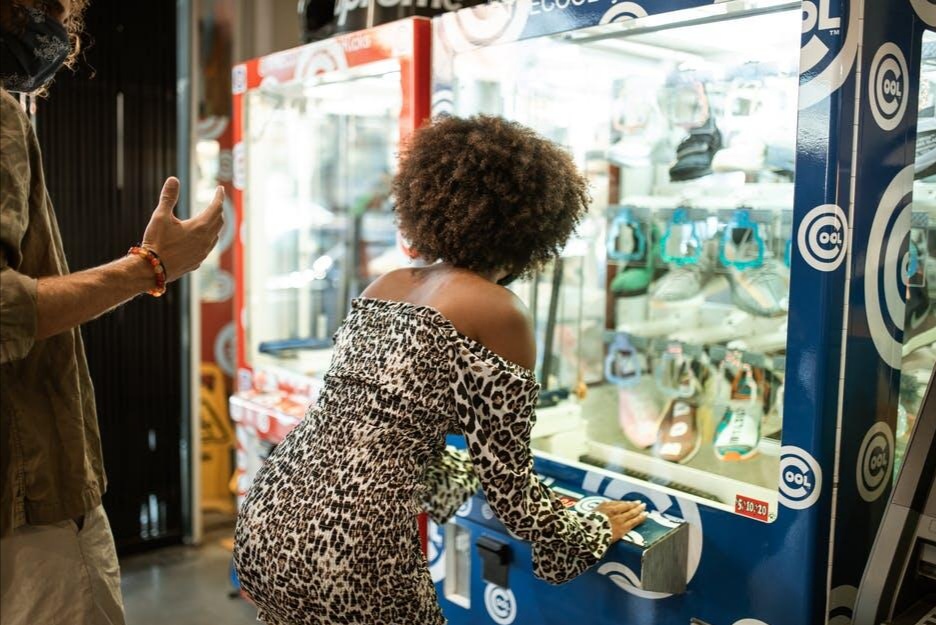
Facility managers face constant pressure to keep corporate offices, health centers, and commercial hubs running smoothly. At the same time, they must control costs, improve employee satisfaction, and make better use of available space.
One of the biggest challenges is predicting how many people will use a building each day. Office attendance can change from one day to the next. Some teams work remotely, while others follow hybrid schedules, and this makes it difficult to know how much food, coffee, and other supplies a building will need.
Continue reading to discover everything you need to know!
Rethinking Workplace Amenities for Today’s Office
Predicting daily office attendance has become a major challenge for building operations teams. A cafeteria may serve hundreds of people on one day and far fewer the next. When demand drops, food can go unsold, and operating costs can rise.
Automated food and beverage systems provide a more flexible option. They can operate around the clock without requiring a full-time service team. Employees can access hot coffee, fresh meals, snacks, drinks, and other daily essentials throughout the day.
This model is especially useful in offices with flexible working hours. Employees may arrive early, work late, or use the building outside normal business hours. Automated systems can continue serving them even when traditional food outlets are closed.
Upgrading Common Spaces with Modern Technology
Traditional snack displays and basic vending machines are being replaced by connected systems with modern features. Touchscreens, digital menus, temperature controls, and cashless payment systems can make the experience faster and easier.
A modern vending machine can offer much more than candy and soft drinks. Managers can stock local snacks, fresh meals, specialty coffee, healthy drinks, and other products that match the needs of their tenants.
The equipment can also improve the look of a breakroom. A clean, modern setup can make an unused corner feel like a useful workplace amenity.
Technology also makes it easier to scale these systems. A small department may only need one coffee or snack station. A large, multi-story headquarters may benefit from several automated hubs placed across different floors, and this flexible approach helps managers make better use of available space without committing to a large renovation.
Supporting Daily Wellness and Productivity
Food and drink choices can have a direct effect on the workplace experience. Employees who have easy access to quality food can spend less time leaving the building during breaks.
Long trips to nearby restaurants or stores can take up much of a lunch break. They can also make it harder for employees to return to work on time and maintain focus.
Smart food and beverage systems bring convenient options closer to employees. Workers can quickly buy a meal, snack, or drink without leaving the property.
Facilities can also use these systems to support healthier choices. Fresh meals, fruit, salads, plant-based products, low-sugar drinks, and quality coffee can give employees more options during the workday.
A convenient food program does not need to replace every traditional dining option. Instead, it can fill gaps in service and provide employees with more choice.
Streamlining Facility Maintenance with Connected Sensors
Traditional vending services often depend on manual checks and customer complaints. A machine may remain empty or out of order until someone notices the problem and reports it.
Connected systems can change this process. Internet of Things, or IoT, sensors can monitor machine status in real time. They can track inventory, temperature, equipment performance, and other important information.
If a machine develops a fault, the system can send an automatic alert to the maintenance team. Staff can respond before the problem becomes a bigger issue.
This proactive approach can reduce downtime and improve the user experience. Employees are less likely to find an empty or broken machine when systems are monitored continuously.
Predictive maintenance can also reduce unnecessary service visits. Instead of sending technicians to check every machine on a fixed schedule, teams can focus on equipment that actually needs attention.
Meeting Sustainability Targets in Modern Facilities
Sustainability is becoming an important part of commercial property management. Building owners and tenants are looking for ways to reduce energy use, food waste, and unnecessary resource consumption.
Traditional cafeterias can require large kitchens, refrigeration systems, lighting, and other equipment. These systems may continue using energy even during periods of low demand.
Smart automated systems can provide a more flexible approach. Energy-saving modes can reduce power use during evenings, weekends, and other low-traffic periods.
Modern cooling systems can also adjust their performance based on conditions. This can help maintain product quality while limiting unnecessary energy use.
Inventory tracking can support sustainability in another way. Better demand data can help managers avoid overstocking. This can reduce the amount of food that expires before it is sold.
When combined with good breakroom design and regular cleaning, automated food systems can help create a cleaner and more efficient workplace environment.
Upgrading Operations with Cashless Systems
Digital payment systems have become an important part of modern automated retail. Employees can use credit cards, debit cards, mobile wallets, and other contactless payment methods.
Cashless systems make purchases faster and more convenient. They also reduce the need to handle coins and banknotes.
For facility teams, removing cash can simplify daily operations. Staff no longer need to spend as much time collecting money, balancing cash trays, or arranging secure cash transportation.
Cashless equipment can also reduce problems linked to coin mechanisms and cash handling. Fewer moving parts can mean fewer mechanical issues.
Optimizing Commercial Floor Plans
Commercial real estate is expensive. Every square meter needs to provide value.
Traditional cafeterias can require a large amount of floor space. They may need kitchens, storage rooms, seating areas, service counters, and equipment. Not every building needs such a large setup.
Compact automated food hubs can provide many of the same basic services while using much less space. A small area can offer coffee, snacks, drinks, fresh meals, and other essentials.
This allows managers to use more of the building for other purposes. Reclaimed space could become meeting areas, collaboration zones, quiet work areas, or tenant amenities.
Transforming Facility Management with Intelligent Vending Machines
By combining automation, real-time data, and thoughtful product selection, commercial properties can create better everyday experiences for employees and tenants while keeping operations efficient and cost-conscious. Integrating smart vending systems helps streamline inventory management, reduce floor space requirements, and lower energy usage across modern facilities.
Ready to upgrade your property’s amenities? Explore our latest articles and expert guides today to find the best automated solutions for your facility.






