
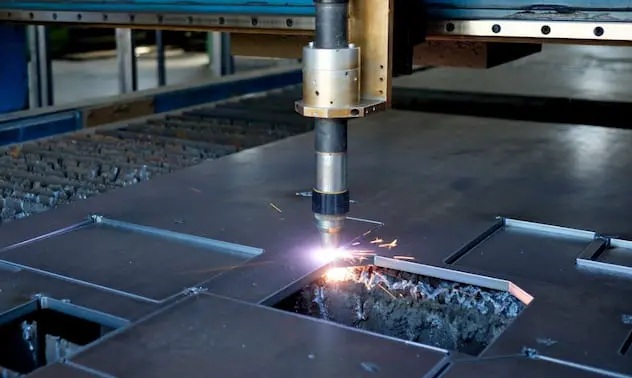
As manufacturers face increasing pressure to reduce their environmental impact while maintaining profitability, finding the right metal cutting technology has become crucial for business success. What are the environmental and cost-saving benefits of using a CNC plasma cutting system over alternative metal cutting technologies?
CNC plasma cutting systems reduce material waste by up to 40% compared to traditional methods, consume 30% less energy than laser cutting, and can lower operational costs by $2-3 per hour through reduced consumable usage and faster cutting speeds.
While these statistics are impressive, they only tell part of the story. There are several additional environmental and cost benefits that vary depending on the specific materials being cut, the scale of operations, and how the system is implemented. Understanding these factors is crucial for making an informed decision about whether CNC plasma cutting is right for your specific application.
How Do Different Materials And Production Scales Affect The Environmental Benefits Of CNC Plasma Cutting?
The environmental advantages of CNC plasma cutting vary significantly based on the materials being processed. For thicker metals (over 1 inch), plasma cutting produces less waste heat than laser cutting, resulting in a smaller carbon footprint. However, for thin materials under 1/4 inch, a 4kW fiber laser cutting system might actually be more environmentally friendly due to its precision and lower energy requirements for these applications.
Production scale also plays a crucial role in determining environmental impact. Large-scale operations benefit more from plasma cutting’s efficient use of electricity and reduced material waste, as these savings compound over higher production volumes. Small shops might see less dramatic environmental benefits, but still benefit from reduced material waste and lower energy consumption compared to traditional cutting methods.
What Are The Hidden Cost Savings Of CNC Plasma Cutting Beyond Basic Operational Expenses?
While the direct cost savings from reduced energy and material usage are significant, many businesses overlook several indirect financial benefits. Labor costs typically decrease by 25-35% due to increased automation and reduced need for secondary operations. Additionally, maintenance costs are often lower than with laser cutting systems, as plasma consumables are generally less expensive and have longer service lives.
The technology also allows for nested cutting patterns, which can increase material utilization by up to 85%. This optimization results in significant savings on raw materials, particularly when working with expensive metals such as stainless steel or aluminum.
How Does CNC Plasma Cutting Compare To Other Technologies In Terms Of Long-Term Sustainability?
From a sustainability perspective, CNC plasma cutting systems have a distinct advantage in their longevity and upgradeability. While initial investment costs may be higher than manual cutting methods, these systems typically last 10-15 years with proper maintenance, compared to 5-7 years for many laser cutting systems.
The technology also produces fewer hazardous byproducts than chemical cutting methods and generates less solid waste than abrasive cutting techniques. Modern plasma systems often include water tables that capture and filter cutting debris, making them more environmentally friendly than older technologies. Additionally, many components can be recycled or refurbished at the end of their service life, especially when built by a reliable industrial cutting systems partner, further reducing the long-term environmental impact.
What Role Does Operator Training Play In Maximizing Environmental And Cost Benefits?
The environmental and cost benefits of CNC plasma cutting systems are significantly influenced by operator expertise. Well-trained operators can reduce material waste by an additional 15-20% through optimal nesting and cutting parameters, directly impacting both environmental footprint and operational costs.
Training also affects consumable life and cut quality. Operators who understand proper height control, cutting speeds, and amperage settings can extend consumable life by up to 30% while maintaining optimal cut quality. This reduces both waste and replacement costs while ensuring maximum efficiency in material usage.
What Recent Technological Advances Are Making CNC Plasma Cutting Even More Environmentally Friendly?
Modern CNC plasma cutting systems have incorporated several technological improvements that enhance their environmental benefits. New power supply designs have increased energy efficiency by up to 40% compared to systems from just a decade ago. Smart gas control systems now reduce gas consumption by 30-50% while maintaining cut quality.
Advanced software algorithms have also revolutionized the technology’s environmental impact. These systems can now automatically optimize cutting parameters based on material type and thickness, reducing waste and energy consumption. Some newer models even include energy recovery systems that capture and reuse heat generated during the cutting process, further improving efficiency.
Furthermore, integration with Industry 4.0 technologies allows for real-time monitoring and adjustment of cutting parameters, ensuring optimal performance and minimal waste throughout the entire production process. This data-driven approach helps manufacturers maintain peak efficiency while continuously reducing their environmental footprint.
Taking The Next Cut
Before investing in a CNC plasma cutting system, conduct a detailed analysis of your specific production needs, including material types and thicknesses, production volumes, and current waste metrics. This personalized assessment will help you accurately calculate potential environmental and cost savings for your unique situation, ensuring you make the most informed decision about implementing this technology in your facility.






