Set within the rapidly evolving urban fabric of Shenzhen, the Róng Museum of Art by Büro Ole Scheeren represents a bold convergence of cultural ambition and architectural innovation. As the city continues to establish itself as a global technology hub, projects like this museum signal a parallel investment in cultural infrastructure, where design becomes a medium to express identity, creativity, and public engagement.
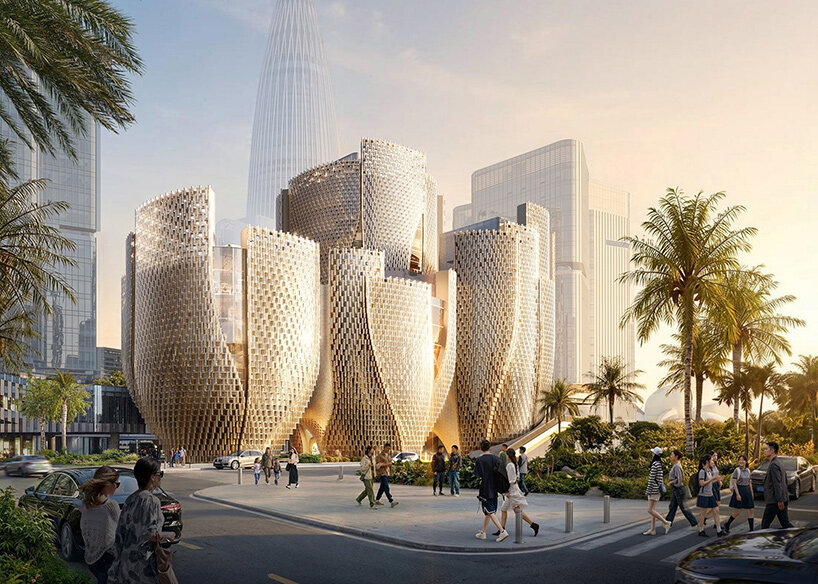
At its core, the museum is conceived not as a singular monolithic structure, but as a composition of five distinct yet interconnected volumes. These sculptural forms rise elegantly from slender bases and expand as they ascend, creating a sense of lightness despite their scale. This vertical expansion allows the building to feel grounded yet elevated, physically and conceptually, within its urban context.
Architecture That Lifts and Opens
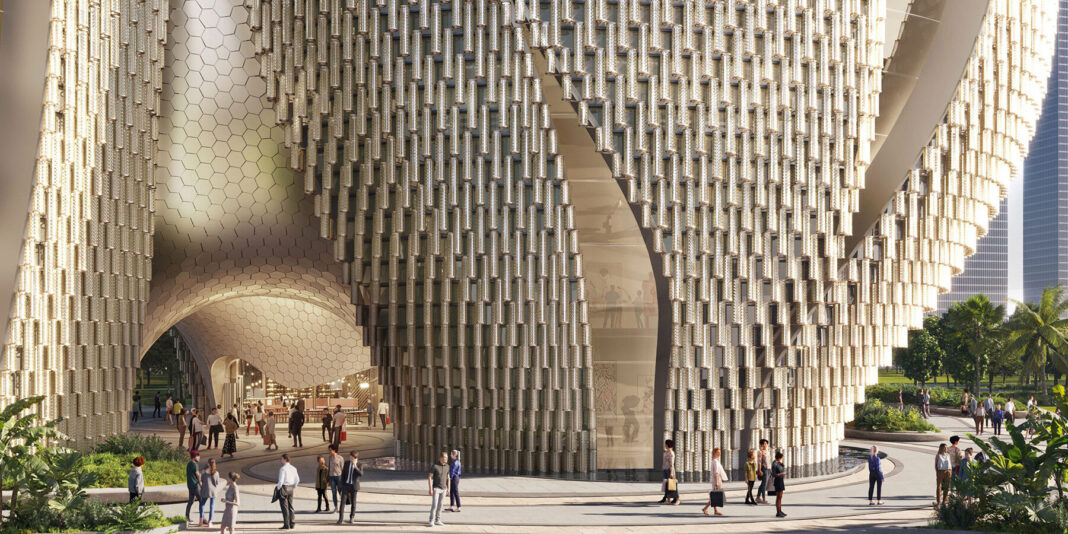
One of the most defining aspects of the design is how the building interacts with the ground plane. Instead of occupying the site fully, the volumes are lifted, creating a shaded, open plaza beneath. This gesture transforms the museum into more than just a destination, it becomes part of the city’s everyday life.
- The ground level functions as a public forum, accessible without barriers
- Natural ventilation allows the space to remain comfortable in varying climates
- A large skylight introduces daylight into the plaza, enhancing spatial quality
- The shaded zone offers protection from sun and rain, encouraging continuous use
This approach reflects a shift in contemporary museum design, away from isolation and toward integration. The building does not separate itself from the public; instead, it invites interaction even before visitors enter the galleries.
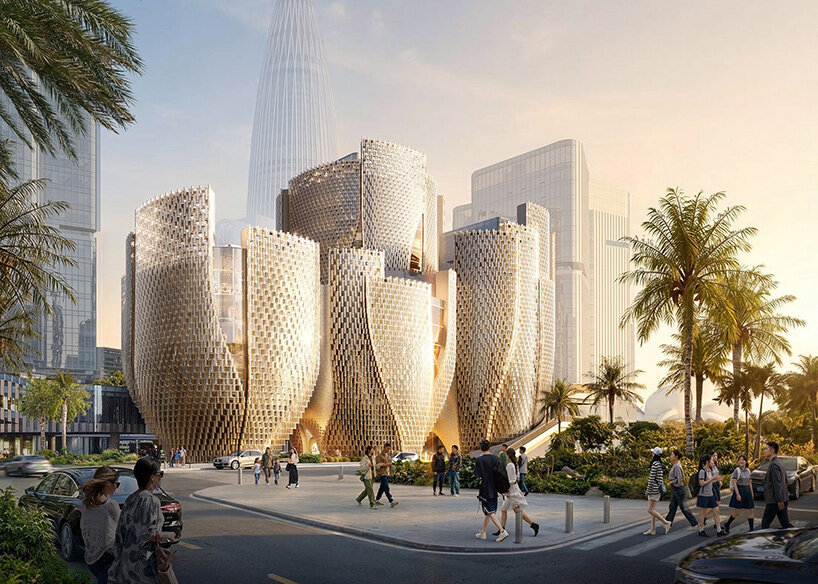
A Facade That Performs and Transforms
The most visually striking feature of the museum is its layered facade system. Each of the five volumes is wrapped in a secondary skin composed of suspended glass tubes. These are not merely decorative elements but part of a highly considered environmental and visual strategy.
- The tubes are parametrically arranged, creating variation in density and depth
- Daylight is filtered through the facade, producing a soft, diffused interior glow
- Heat gain is reduced without compromising natural illumination
- At night, the building transforms into a luminous landmark, with illuminated tubes creating a dynamic visual effect
This duality of performance and expression defines the facade. It responds to climate, enhances energy efficiency, and simultaneously contributes to the building’s identity on the skyline.
Additional functional benefits include:
- Airflow regulation through spacing between tubes
- Shading control depending on facade orientation
- Rainwater collection, with water directed toward reuse systems at ground level
The result is a facade that is not static but responsive, shifting in appearance and performance throughout the day.
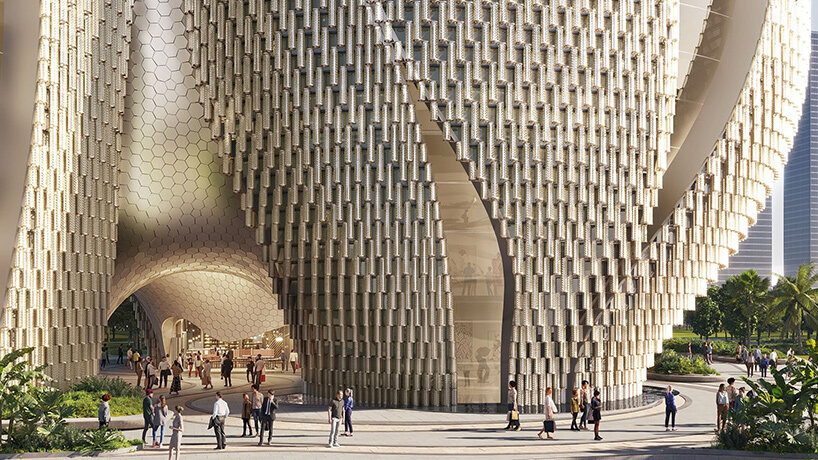
Interior Experience: Movement and Flexibility
Inside the museum, spatial organization is driven by movement and adaptability. Rather than a rigid sequence of rooms, the galleries are arranged to accommodate diverse forms of artistic expression spanning the twentieth and twenty-first centuries.
A key feature of the design is the gradual upward circulation path:
- Visitors ascend along a stair that traces the outer edge of the building
- The journey maintains a visual connection to the city and waterfront
- The experience culminates in a rooftop garden, offering a moment of pause and reflection
The galleries themselves are designed for flexibility:
- Double-height spaces accommodate large-scale installations
- Smaller adjacent areas allow for more intimate exhibitions
- Open layouts support both curated and exploratory viewing experiences
This adaptability ensures that the museum can evolve alongside the art it houses, supporting a wide range of curatorial approaches.
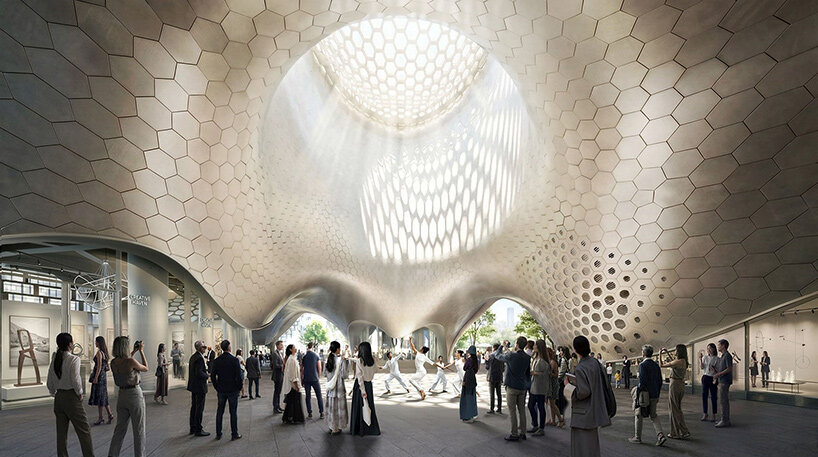
Integration with the Urban Context
The Róng Museum of Art is not conceived in isolation. Its placement within a larger urban campus allows it to function as a node within a broader network of movement and activity.
- Connections to bridges and transit systems enhance accessibility
- The open ground level acts as a continuation of public space
- Visual links to the surrounding district strengthen its urban presence
This integration reflects a larger trend in cities like Shenzhen, where cultural buildings are designed to contribute actively to public life rather than stand apart from it.
Key Project Highlights
- Location: Shenzhen
- Architect: Büro Ole Scheeren
- Design Lead: Ole Scheeren
- Program: Museum of visual culture (20th & 21st century)
- Completion: Expected 2027
- Client: Tenova
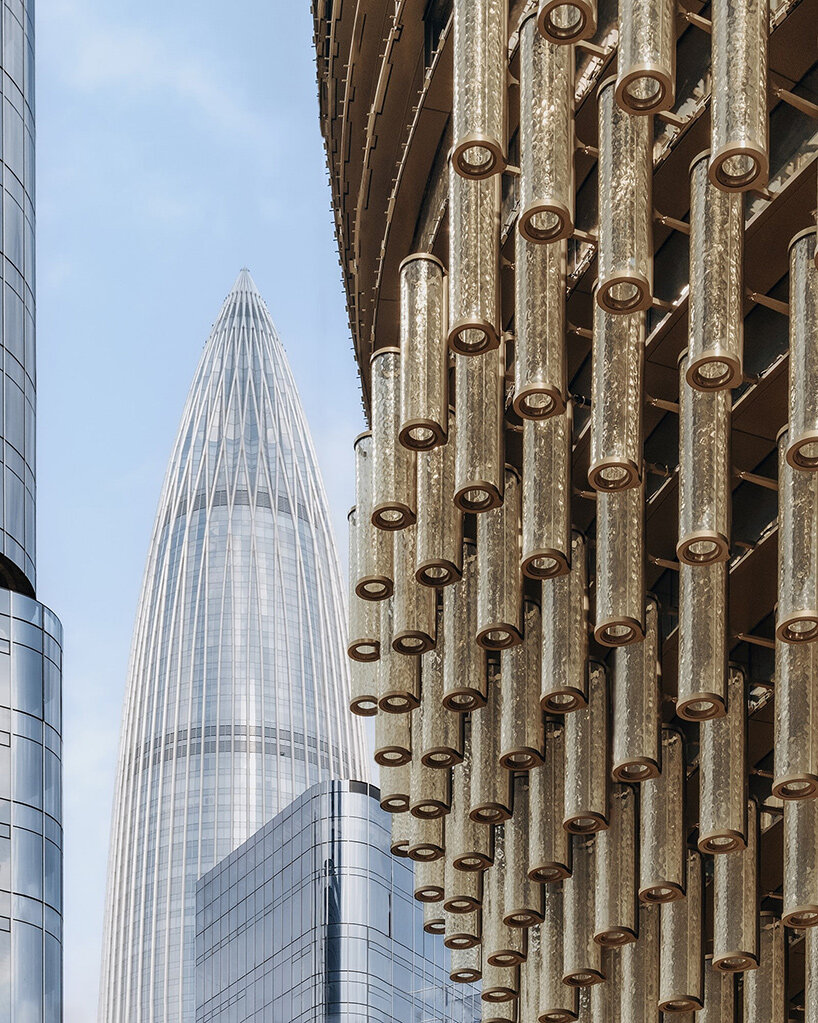
A New Cultural Landmark in the Making
What sets this project apart is its ability to balance multiple ambitions, architectural expression, environmental performance, and public engagement without compromising any one aspect. The interplay between solid and void, opacity and transparency, structure and skin creates a building that feels both grounded and dynamic.
More importantly, the museum reflects a broader narrative unfolding in Shenzhen: a city where rapid technological growth is now being matched by cultural investment. In this context, the Róng Museum of Art becomes more than a building, it becomes a symbol of transition.
Why This Project Matters
- It redefines the relationship between museums and public space
- It demonstrates how facade systems can merge aesthetics with performance
- It embraces flexibility in exhibition design, future-proofing the institution
- It contributes to the cultural identity of a fast-evolving city
As it moves toward completion, the Róng Museum of Art is poised to become a landmark not just for its form, but for the ideas it represents. By lifting itself above the ground while remaining deeply connected to it, the building captures a compelling architectural paradox, one that reflects the evolving role of cultural institutions in contemporary cities.
Reference- https://www.designboom.com/architecture/shimmering-facades-cavernous-galleries-buro-ole-scheeren-rong-museum-art-shenzhen-china/