
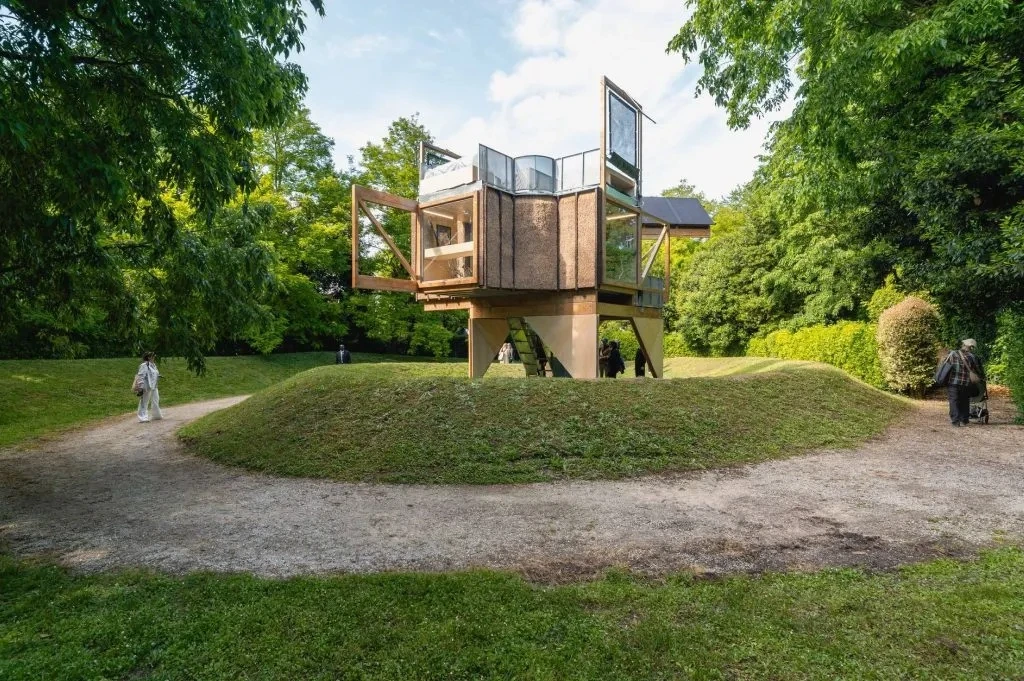
Climate responsive architecture is an approach to building design that considers the local climate and environmental conditions to create comfortable, energy-efficient, and sustainable spaces. Instead of relying heavily on artificial heating, cooling, and lighting systems, climate responsive buildings use natural resources such as sunlight, wind, rainwater, and vegetation to maintain indoor comfort. This architectural philosophy has become increasingly important in modern construction due to rapid urbanization, climate change, rising energy consumption, and the growing demand for environmentally responsible buildings.
What is Climate Responsive Architecture?
Climate responsive architecture refers to the design of buildings that adapt to the climatic conditions of a specific location. The primary aim is to achieve thermal comfort for occupants while minimizing energy consumption. The design process involves studying factors such as:
- Temperature
- Humidity
- Rainfall
- Solar radiation
- Wind direction
- Seasonal changes
- Local geography
By understanding these environmental conditions, architects can design buildings that naturally remain cool in summer, warm in winter, and well-lit throughout the year.
Climate responsive design works with nature instead of against it. It integrates passive design strategies that reduce dependence on mechanical systems such as air conditioners and heaters.
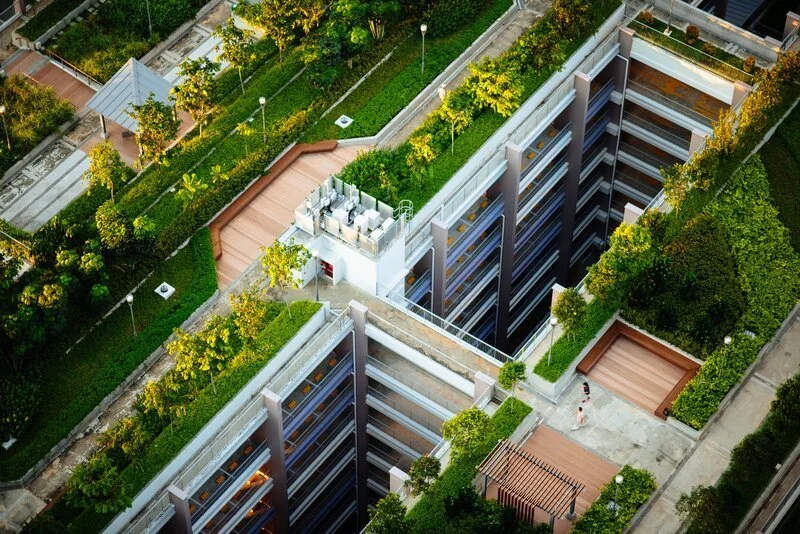
Importance of Climate Responsive Architecture
1. Energy Efficiency
Buildings consume a significant portion of global energy, mainly for heating, cooling, and lighting. Climate responsive architecture reduces energy demand through passive techniques such as natural ventilation, insulation, shading devices, and daylight optimization.
2. Environmental Sustainability
The construction industry contributes heavily to greenhouse gas emissions. Climate responsive buildings help reduce carbon footprints by lowering energy use and encouraging sustainable material selection.
3. Improved Indoor Comfort
Proper orientation, ventilation, and daylighting create healthier and more comfortable indoor environments. Occupants experience better thermal comfort and improved productivity.
4. Reduced Operational Costs
Energy-efficient buildings require less electricity for cooling and heating, resulting in lower utility bills and long-term financial savings.
5. Adaptation to Climate Change
Climate responsive buildings are better equipped to handle extreme weather conditions such as heatwaves, heavy rainfall, and changing temperatures.
Key Principles of Climate Responsive Architecture
1. Building Orientation
Orientation is one of the most important factors in climate responsive design. Positioning a building correctly helps maximize natural light and ventilation while minimizing unwanted heat gain.
In Hot Climates:
- Buildings are often oriented to reduce direct sun exposure.
- East and west facades are minimized because they receive harsh sunlight.
In Cold Climates:
- South-facing windows are used to maximize solar heat gain.
Correct orientation significantly reduces the need for artificial lighting and air conditioning.
2. Passive Solar Design
Passive solar design uses sunlight for heating and lighting without mechanical systems.
Techniques Include:
- Large windows for winter sunlight
- Thermal mass materials to store heat
- Shading devices to block summer sun
- Skylights and clerestory windows for daylighting
Passive solar strategies improve energy performance while maintaining comfort.
3. Natural Ventilation
Natural ventilation allows fresh air to circulate through buildings, reducing indoor heat and improving air quality.
Methods:
- Cross ventilation
- Stack ventilation
- Courtyards
- Ventilation shafts
- Operable windows
In warm and humid climates, natural airflow is essential for maintaining indoor comfort.
4. Thermal Insulation
Insulation reduces heat transfer between indoor and outdoor environments.
Benefits:
- Keeps interiors cool in summer
- Retains warmth during winter
- Reduces energy consumption
Materials such as mineral wool, cellulose, and insulated panels are commonly used.
5. Thermal Mass
Thermal mass refers to materials that absorb and store heat energy.
Common Thermal Mass Materials:
- Concrete
- Stone
- Brick
- Rammed earth
These materials help stabilize indoor temperatures by absorbing heat during the day and releasing it at night.
6. Shading Devices
Shading protects buildings from excessive solar heat gain.
Examples:
- Overhangs
- Louvers
- Pergolas
- Screens
- Vegetation and trees
Proper shading improves indoor comfort and reduces cooling loads.
7. Daylighting
Daylighting uses natural sunlight to illuminate interior spaces.
Advantages:
- Reduces electricity use
- Enhances mood and productivity
- Improves visual comfort
Architects use windows, skylights, atriums, and reflective surfaces to maximize daylight penetration.
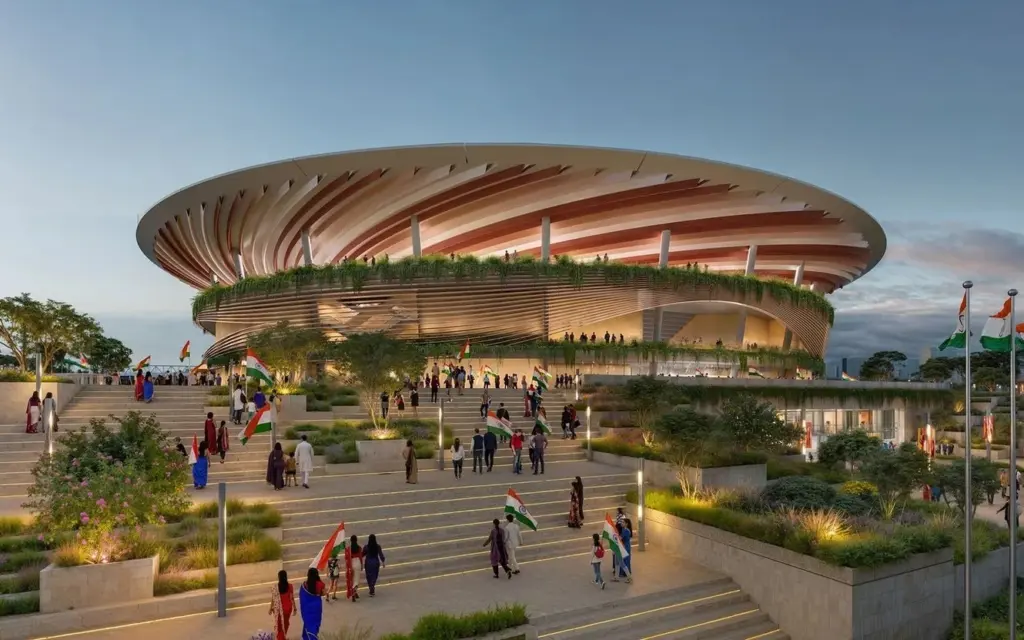
Climate Responsive Design Strategies for Different Climates
1. Hot and Dry Climate
Examples include desert regions.
Design Strategies:
- Thick walls with high thermal mass
- Small windows
- Courtyards
- Light-colored surfaces
- Compact building forms
These features reduce heat gain and maintain cooler interiors.
2. Warm and Humid Climate
Found in tropical regions.
Design Strategies:
- Large openings for ventilation
- Elevated structures
- Lightweight materials
- Shaded verandas
- Sloped roofs
The focus is on maximizing airflow and reducing humidity.
3. Cold Climate
Found in mountainous and polar regions.
Design Strategies:
- Compact forms
- South-facing windows
- High insulation
- Double-glazed windows
- Airtight construction
These measures help conserve heat and improve energy efficiency.
4. Composite Climate
Many Indian cities experience composite climates with hot summers, monsoons, and cool winters.
Design Strategies:
- Adjustable shading
- Courtyards
- Mixed ventilation systems
- Insulated roofs
- Landscape integration
Buildings must adapt to changing seasonal conditions.
Role of Building Materials in Climate Responsive Architecture
Material selection plays a major role in environmental performance.
Sustainable Materials Include:
- Bamboo
- Recycled steel
- Fly ash bricks
- Rammed earth
- Reclaimed wood
- Low-carbon concrete
These materials reduce embodied energy and improve sustainability.
Locally sourced materials are also preferred because they reduce transportation emissions and are often suited to regional climatic conditions.
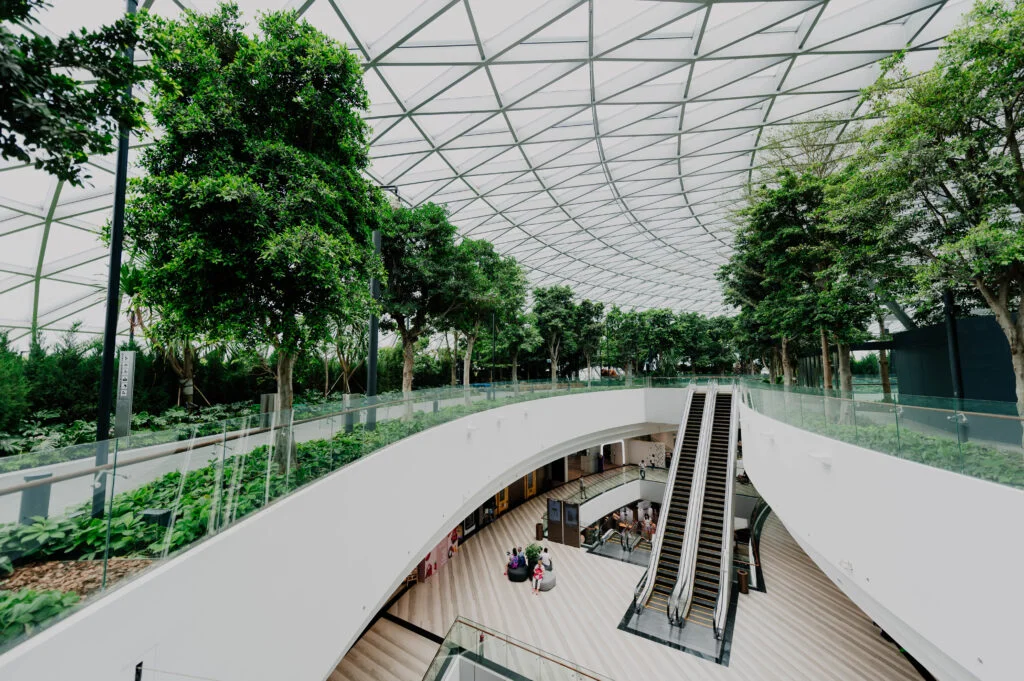
Green Roofs and Vertical Gardens
Green roofs and vertical gardens are increasingly used in climate responsive architecture.
Benefits:
- Reduce urban heat island effect
- Improve insulation
- Absorb rainwater
- Enhance biodiversity
- Improve air quality
Vegetation also creates visually appealing environments and improves mental well-being.
Water Management in Climate Responsive Buildings
Water conservation is another critical aspect.
Strategies Include:
- Rainwater harvesting
- Greywater recycling
- Permeable pavements
- Efficient plumbing fixtures
- Landscape irrigation systems
These systems help conserve water and reduce pressure on urban infrastructure.
Smart Technologies in Climate Responsive Architecture
Modern buildings combine passive design with smart technologies.
Examples:
- Smart sensors
- Automated shading systems
- Energy management systems
- Solar panels
- Smart lighting controls
- Intelligent HVAC systems
Technology improves efficiency while maintaining occupant comfort.
Renewable Energy Integration
Climate responsive buildings increasingly use renewable energy sources.
Common Renewable Systems:
- Solar photovoltaic panels
- Solar water heaters
- Wind turbines
- Geothermal systems
These technologies reduce dependence on fossil fuels and lower operating costs.
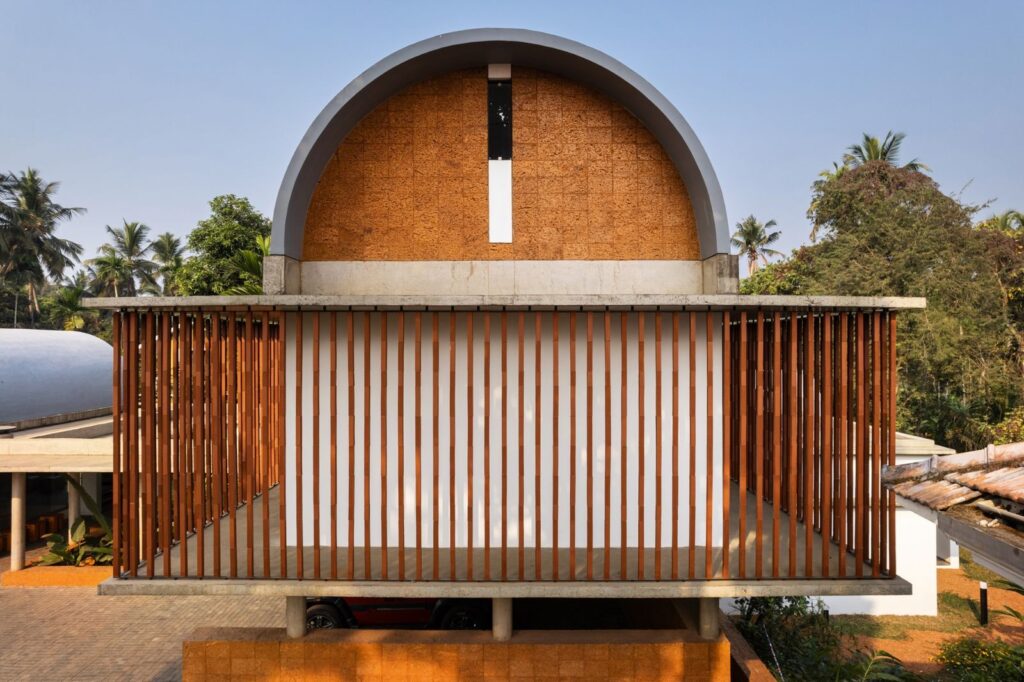
Importance of Landscaping
Landscape design significantly influences building performance.
Climate Responsive Landscaping:
- Trees provide natural shading
- Water bodies cool surrounding areas
- Native plants reduce water usage
- Green buffers reduce dust and noise
Strategic landscaping improves microclimates and enhances environmental quality.
Climate Responsive Architecture in India
India has a rich history of climate responsive architecture.
Traditional Examples:
- Stepwells in Rajasthan
- Courtyard houses in Gujarat
- Kerala’s sloped-roof homes
- Jaisalmer’s sandstone buildings
These structures were naturally adapted to local climatic conditions.
Today, India is witnessing growing adoption of sustainable building practices through:
- Green building certifications
- Net-zero energy buildings
- Smart city projects
- Eco-friendly residential developments
Organizations such as the Indian Green Building Council (IGBC) and GRIHA promote sustainable construction across the country.
Future of Climate Responsive Architecture
The future of architecture lies in sustainable and climate-adaptive design. As environmental concerns grow, governments, developers, and architects are increasingly prioritizing green construction practices.
Emerging trends include:
- Net-zero energy buildings
- Carbon-neutral construction
- AI-driven building management
- Biophilic design
- Circular construction methods
- 3D-printed sustainable structures
Climate responsive architecture will play a critical role in creating resilient cities and reducing the environmental impact of the built environment.
Conclusion
Climate responsive architecture is a vital approach to modern building design that harmonizes human comfort with environmental sustainability. By responding intelligently to local climatic conditions, architects can create buildings that consume less energy, reduce carbon emissions, and provide healthier living environments. The growing emphasis on green buildings, sustainable materials, and environmentally responsible urban planning indicates that climate responsive architecture will become a defining feature of future construction worldwide.
Image Credit:, parametric-architecture.com, aiacincinnati.org, tkmsa.ac.in, architecturaldigest.in






