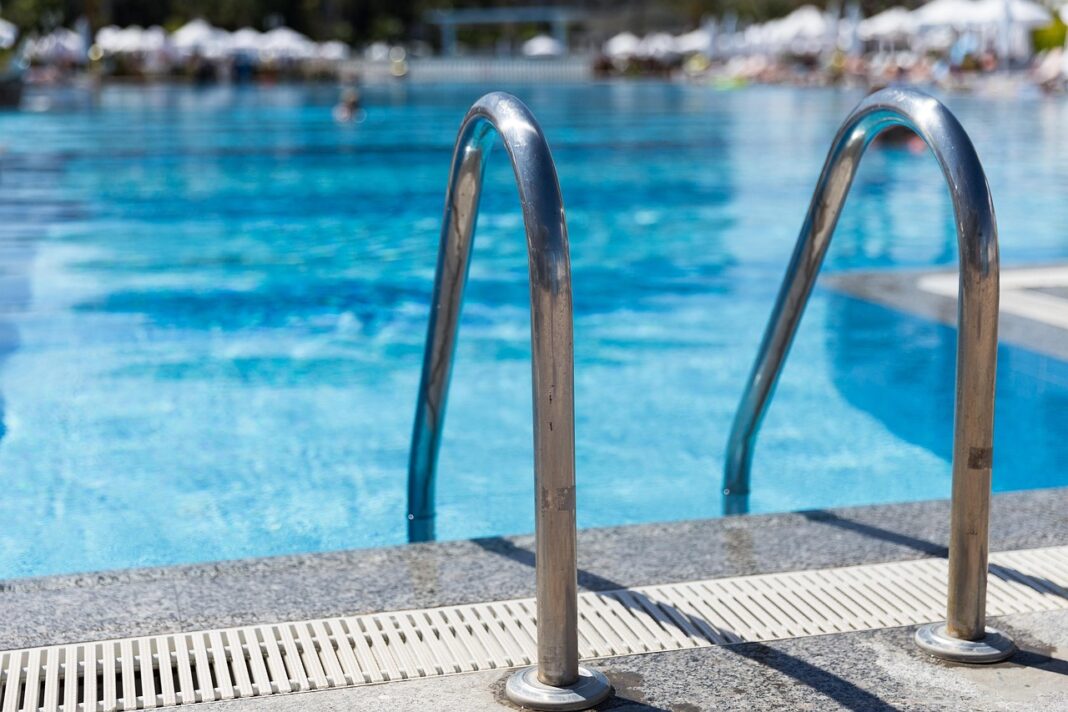
A swimming pool rarely succeeds as a stand-alone feature. The best projects feel settled into the property, as if the pool, patio, planting, grade, lighting, and outdoor living areas were planned together from the beginning. That result comes from treating the pool as part of the landscape architecture, not as a separate construction item dropped into the yard.
For homeowners, this shift makes the planning process more practical. A pool changes how people move through the yard. It affects drainage, shade, privacy, safety, views from inside the home, and the way patios or walkways are used every day. When those details are considered early, the finished space feels calmer, easier to maintain, and more natural.
Here are eight design details that help connect pool installation with a stronger landscape plan.
1. Start With the Site, Not the Pool Shape
When a homeowner searches for swimming pool installation near me, the first decision should not be the pool model. It should be the site. A pool that looks beautiful in a catalog still needs to fit the actual yard, including slope, sun exposure, soil conditions, access for equipment, and the location of existing utilities.
A thoughtful site evaluation studies where water moves after heavy rain, where afternoon shade falls, and how people will travel from the house to the pool. In regions with clay soil, freeze and thaw cycles, and varying elevations, these details influence excavation, base preparation, drainage, backfilling, and long-term stability.
This is where an experienced installation team brings real value. The pool is not simply placed in the yard. It is coordinated with the existing landscape so the final layout feels intentional.
2. Plan the Pool as Part of the Outdoor Living Layout
A pool creates a destination, but the space around it determines how people use it. Families need room for chairs, towels, shade, food, conversation, and quiet. A narrow strip of concrete around the water works for access, but it does not create a comfortable outdoor living area.
The stronger approach is to map activity zones before construction begins. A pool area often includes:
• A sunny lounge area for chairs and drying off
• A shaded seating area for meals or conversation
• A clear path from the house to the water
• A safe transition from patio to pool steps
• Storage space for pool tools, cushions, and toys
• Visual screening from nearby homes or streets
These decisions help the pool feel connected to daily life. A homeowner should not have to cross wet grass to reach the patio or carry food across an awkward corner. Good landscape architecture makes movement feel simple.
3. Use Hardscaping to Frame the Water
Hardscaping gives structure to a backyard. Around a pool, it also handles practical work. Patio pavers, walkways, retaining edges, and seating areas create the frame that supports the entire space.
The material choice matters. Poolside surfaces need to feel comfortable under bare feet, provide dependable traction, and hold up to weather and water exposure. The layout also needs to account for drainage and easy cleaning. A well-planned paver patio creates a finished look while helping guide water away from the pool and home.
Hardscaping also shapes the mood of the backyard. A clean rectangular pool with simple pavers has a crisp, modern feel. A freeform pool with curved planting beds and textured stone feels softer and more garden driven. The right choice depends on the home, the lot, and how the homeowner wants the space to feel.
4. Make Drainage Part of the Design, Not an Afterthought
Drainage is one of the quiet details that separates a polished pool project from a problem project. When a homeowner searches for a swimming pool installation near me, the visible features usually get the most attention. Yet drainage has a larger impact on long-term comfort and performance.
Pool construction changes the yard’s surface. Excavation, patios, retaining walls, and new planting beds all affect how water moves. If runoff is not managed properly, water can collect near the patio, wash mulch into the pool, soften the soil around hardscapes, or move toward the house.
A good plan studies grade from the start. It uses proper slope, drainage channels, strategic plant beds, and stable base preparation to direct water where it belongs. After a storm, the pool area should recover cleanly without puddles, erosion, or muddy edges.
5. Coordinate Plants With Pool Use and Maintenance
Plants soften a pool area and help it feel connected to the broader yard. They bring color, texture, shade, and privacy. They also create maintenance issues when chosen without care.
Near a pool, plant selection should be practical. Messy trees, heavy leaf drop, thorny shrubs, aggressive roots, and plants that attract too many insects create frustration. Better choices provide structure without constant cleanup. Ornamental grasses, tidy evergreens, flowering shrubs, and native plantings often work well when placed with enough distance from the water.
Planting beds also help manage scale. A large pool in an open yard can feel exposed. Layered greenery gives the space edges and makes the water feel more settled. The best designs use plants to guide the eye, soften hard surfaces, and create privacy without blocking airflow or light.
6. Build Lighting Into the Landscape Plan
Lighting changes how a pool area feels after sunset. It also improves safety around steps, walkways, edges, and seating areas. Good lighting does not flood the yard with brightness. It creates layers.
Pool lights, path lights, wall lights, and soft landscape lighting each serve a purpose. Together, they help people move comfortably through the space and highlight important design features. A few well-placed lights can make water shimmer, bring out the texture of pavers, and give planting beds depth.
Lighting should be planned early because it affects electrical work, fixture placement, automation, and patio layout. Adding it later is possible, but it usually becomes more complicated once hardscaping and planting are finished.
7. Match the Pool Type to the Landscape Goals
Different pool materials support different design priorities. Concrete offers broad customization. Vinyl often appeals to homeowners focused on a lower initial cost. Fiberglass is popular for homeowners who value a smooth surface, lower maintenance, and a more streamlined installation timeline.
For many homeowners comparing the swimming pool installation near me, fiberglass becomes attractive because the shell arrives as a finished structure with built-in shapes, steps, ledges, and seating options. That makes planning more predictable. The design work then focuses on choosing the right model, placing it correctly, and connecting it with patios, pavers, lighting, landscaping, and any spa features.
The main point is not that every yard needs the same pool type. The pool type should support the broader landscape plan. A family that wants a clean, modern patio with a manageable maintenance routine has different needs than a property owner designing a highly custom resort-style environment.
8. Keep Budget Planning Connected to the Full Backyard
A pool budget should include more than the pool shell and basic installation. The finished project often involves excavation, electrical work, plumbing, water delivery, permitting, patio surfaces, fencing, grading, planting, lighting, covers, and equipment. When these pieces are discussed separately, homeowners struggle to compare quotes or plan in phases. A practical budget breaks the project into clear categories:
• Pool installation and equipment
• Site preparation and excavation
• Electrical, plumbing, and inspections
• Patio pavers or concrete areas
• Fencing, covers, and safety features
• Landscaping, lighting, and finishing details
• Future upgrades such as automation or expanded seating
This approach helps homeowners make better decisions. Some features need to happen during installation. Others can be phased in later without weakening the overall plan. A reliable contractor should explain these choices clearly so the homeowner understands what is essential now and what can wait.
Final Thought
The best pool projects begin with a bigger question than where the water should go. They ask how the entire backyard should work. A search for a swimming pool installer is often the first step, but the better outcome comes from choosing a team that thinks beyond installation alone. When pool planning, hardscaping, drainage, lighting, planting, and outdoor living are coordinated from the beginning, the finished space feels less like an addition and more like a natural extension of the home.