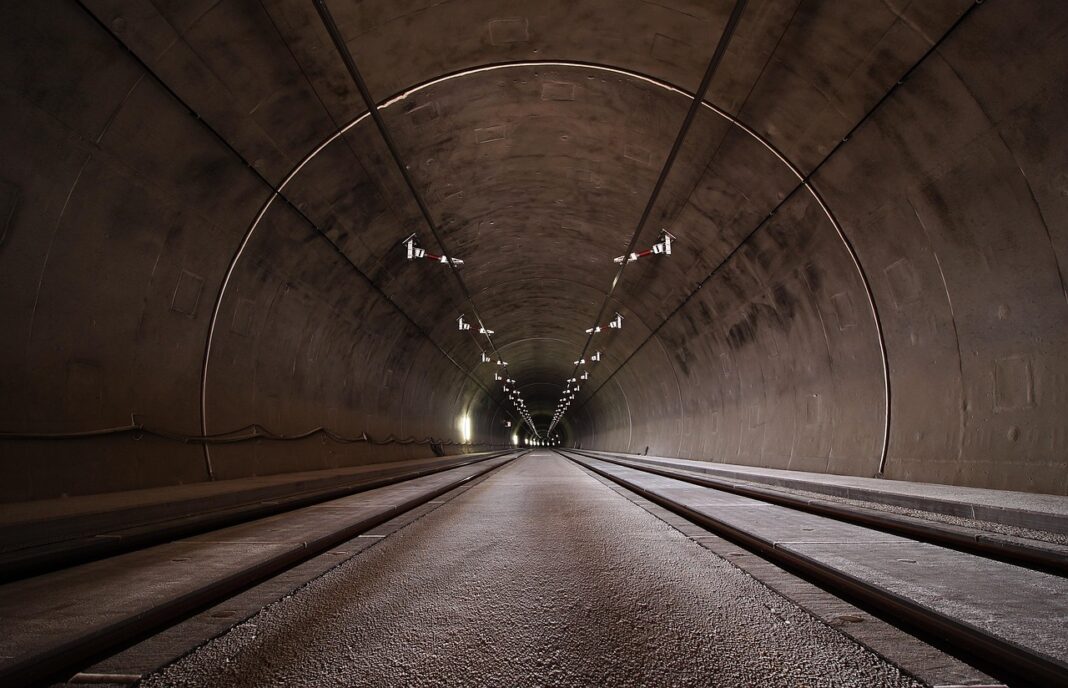
The Rishikesh–Karnaprayag Rail Line Project has reached a major construction milestone, with 101 km of the planned 104 km mainline tunnels completed. The progress was shared by Railway Minister Ashwini Vaishnaw in a written reply in the Lok Sabha on July 29, reflecting steady advancement of one of Uttarakhand’s most significant railway infrastructure projects.
The 125-km broad-gauge railway line is being developed to provide reliable, all-weather rail connectivity to the Garhwal Himalayan region. The project is expected to significantly improve transportation in the state by connecting Rishikesh with Devprayag and Karnaprayag, while strengthening access to remote and strategically important border areas. The new railway line will offer an alternative to the existing road network, which is often affected by landslides, heavy rainfall and adverse weather conditions.
The alignment of the project passes through the districts of Dehradun, Tehri Garhwal, Pauri Garhwal, Rudraprayag and Chamoli, serving several important religious and tourist destinations. Once operational, the railway will enhance connectivity for pilgrims visiting the Char Dham region and improve access for local residents, businesses and tourists throughout the year.
The project presents significant engineering challenges due to the Himalayan terrain. More than 85% of the railway alignment passes through tunnels, making it one of India’s most tunnel-intensive railway projects. According to the Ministry of Railways, the project includes the construction of 16 mainline tunnels with a combined length of 104 km and 12 escape tunnels extending approximately 98 km.
Construction has progressed substantially, with 101 km of the mainline tunnels already excavated. Work on the safety infrastructure has also advanced, with over 95 km of escape tunnels completed. These escape tunnels are an essential component of the project, providing emergency evacuation routes and improving operational safety for passengers and railway personnel.
Apart from tunnelling, the project involves the construction of multiple bridges, ventilation systems, cross passages, track infrastructure and other safety installations along the Alaknanda valley. These engineering works are designed to ensure safe and efficient train operations in the mountainous landscape while meeting modern railway standards.
The Rishikesh–Karnaprayag rail line is expected to deliver significant economic and social benefits. Improved rail connectivity will facilitate tourism, support local businesses, improve access to healthcare and education, and reduce travel time for residents living in the hill districts. Better transportation infrastructure is also expected to encourage investment and generate employment opportunities during both the construction and operational phases.
From a strategic perspective, the railway corridor will strengthen connectivity to Uttarakhand’s border regions, supporting faster movement of essential supplies and improving regional accessibility. The project is also expected to improve disaster response capabilities by providing an alternative transport corridor during emergencies when road connectivity is disrupted.
With tunnel construction nearing completion, the project is entering an important phase of development. The remaining works, including track laying, bridge construction, signalling, electrification and station infrastructure, will move the project closer to commissioning. Once completed, the Rishikesh–Karnaprayag Rail Line is expected to transform rail connectivity in Uttarakhand by providing a safe, reliable and all-weather transportation link to the Garhwal Himalayas while supporting tourism, regional development and strategic infrastructure objectives.