What Are Micropiles?
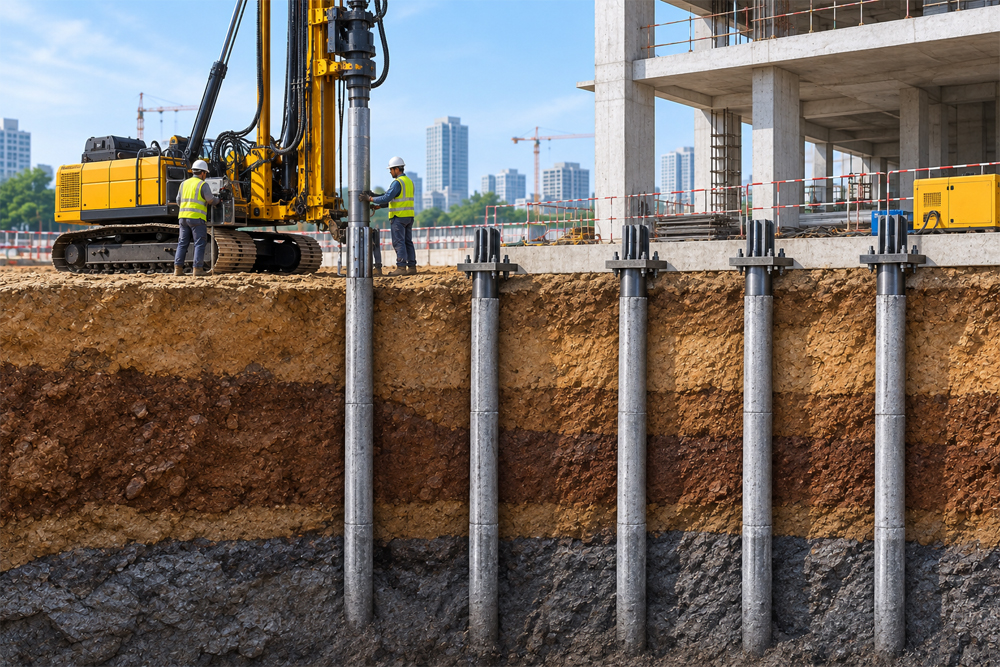
A micropile is a small-diameter drilled and grouted pile containing a high-strength steel reinforcement element. The reinforcement may consist of a central bar, casing, threaded bar or other steel arrangement depending on the design.
The pile is installed by drilling into the ground and subsequently placing reinforcement and grout. In many systems, temporary or permanent steel casing is used to maintain bore stability, particularly in loose, fractured or unstable ground.
The load-carrying mechanism is predominantly developed through the bond between the grout and surrounding ground. This makes micropiles particularly suitable where conventional large-diameter piles may be difficult or impractical to install.
Micropiles can be installed at different angles rather than only vertically. Inclined micropiles can be useful for underpinning, retaining structures and foundations where the available working area is limited.
Why Micropiles Are Used in Restricted Sites
One of the main advantages of micropiles is their adaptability to constrained construction environments.
Urban redevelopment projects often involve narrow plots surrounded by existing buildings, roads and utilities. Conventional piling rigs may require substantial working space and access for equipment. Micropile rigs, in comparison, can be configured for confined working conditions.
They are particularly suited to:
- Buildings requiring foundation strengthening
- Basement construction in developed areas
- Sites with restricted access
- Projects with limited headroom
- Foundations close to existing structures
- Bridge and infrastructure strengthening
- Industrial plant modifications
- Railway and metro projects
- Slope stabilisation
- Foundations requiring low-vibration construction
The ability to operate with compact equipment can reduce the need for extensive site modification before foundation work begins.
Micropiles for Foundation Underpinning
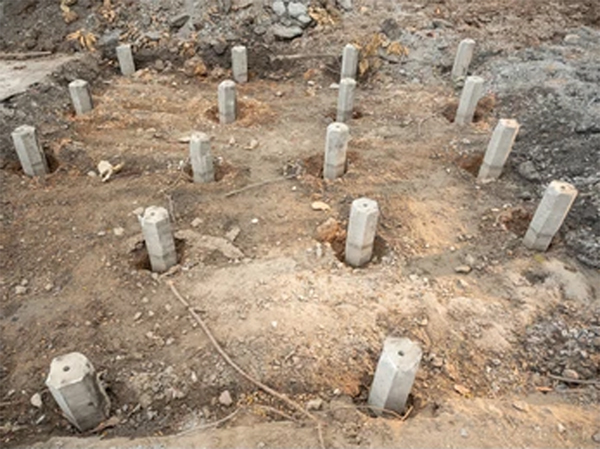
Underpinning is one of the established applications of micropiles. Existing structures may require underpinning when additional floors are proposed, foundation capacity needs to be increased, settlement has occurred or adjacent excavation could affect the existing foundation system.
Micropiles can be installed adjacent to or through existing foundations. Depending on the design, the micropiles can be connected to the existing foundation through reinforced concrete needle beams, pile caps or other structural elements.
The installation sequence is particularly important in underpinning projects. Work is generally carried out in a controlled sequence to avoid sudden changes in load distribution or excessive movement of the existing structure.
Before installation, engineers need to assess the existing foundation geometry, structural condition, soil profile, groundwater conditions and expected loads.
Installation Process
Micropile installation typically involves several stages.
Site Investigation and Design
The first step is understanding the ground and structural conditions. A geotechnical investigation provides information on soil and rock layers, groundwater and potential obstructions.
For underpinning projects, structural investigations are also required to determine existing foundation dimensions and load paths.
Micropile diameter, length, reinforcement, grout properties and spacing are then established based on design loads and ground conditions.
Drilling
A compact drilling rig creates the micropile bore. Rotary, rotary-percussive or other drilling methods may be selected depending on the soil and rock.
Drilling can be performed vertically or at an angle where the design requires inclined piles.
The drilling method must account for the risk of borehole collapse, groundwater inflow and interaction with nearby foundations.
Casing Installation
Temporary or permanent casing may be installed during drilling.
Casing provides support to unstable ground and helps maintain the required bore diameter. Permanent casing may also form part of the structural reinforcement system.
The decision between temporary and permanent casing depends on ground conditions, design requirements, corrosion considerations and construction methodology.
Reinforcement Placement
After the required drilling depth has been reached, the reinforcement system is placed inside the bore.
Depending on the design, this can involve high-strength steel bars, threaded bars or reinforcement cages.
The reinforcement must be positioned correctly to maintain the required grout cover and load-transfer characteristics.
Grouting
Cementitious grout is injected into the micropile bore. Grouting fills the annular space between the reinforcement and surrounding ground and forms the primary load-transfer interface.
Different grouting procedures can be adopted depending on the micropile system and ground conditions. Controlled pressure grouting may be used where improved ground-grout interaction and higher capacity are required.
The grout quality and injection process are important aspects of quality control because the grout provides the connection between the reinforcement and surrounding ground.
Load Testing
Testing is used to verify micropile performance and construction quality.
Depending on project requirements, compression, tension or lateral load testing may be carried out. Proof tests may be performed on production piles, while preliminary tests can help establish design parameters before full-scale construction.
Test results provide information on pile capacity, deformation and load-transfer behaviour.
Micropiles in Difficult Ground Conditions
Micropiles can be adapted to a wide range of ground conditions.
In loose granular soils, casing can help maintain bore stability during drilling. In fractured rock, grouting can help establish the required connection between the pile and surrounding formation.
Micropiles can also be used where conventional pile installation is affected by underground obstructions. However, the presence of large boulders, buried foundations, old piles or other obstructions needs to be identified during investigation wherever possible.
Ground conditions should not be treated as uniform across a site. Variations in soil layers can affect drilling rates, grout consumption and pile capacity.
Working Under Limited Headroom
Limited headroom is a major challenge in many renovation, basement and industrial projects.
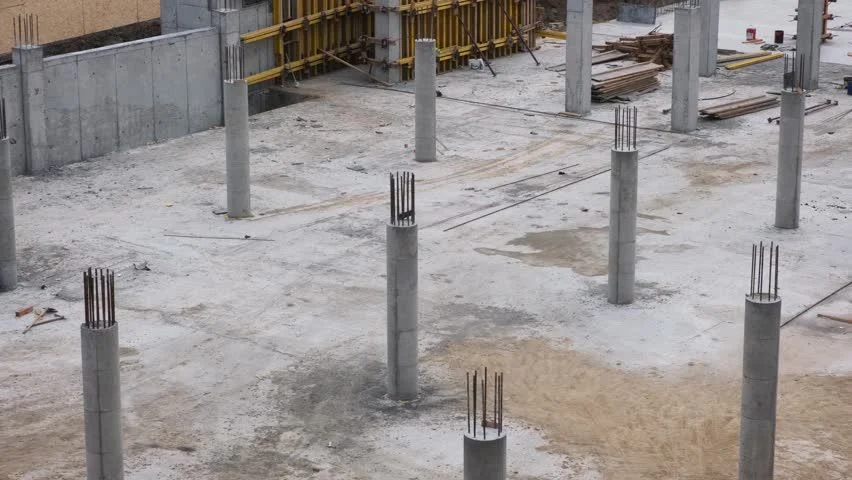
Large piling equipment may not fit below existing slabs or structures. Compact micropile rigs can be configured for low-headroom applications, allowing drilling to take place beneath existing structures.
This makes micropiles particularly relevant for:
- Basement strengthening
- Factory modifications
- Bridge rehabilitation
- Underground structures
- Existing building extensions
- Foundation repair
The rig configuration, drilling method and reinforcement installation procedure need to be selected according to the available clearance.
Low-Vibration Construction
Another consideration in dense urban environments is vibration.
Driven piles can generate significant vibration depending on the installation method and ground conditions. Micropiles are generally installed using drilling and grouting processes, which can make them suitable for projects where vibration needs to be controlled.
This is particularly relevant when construction takes place close to sensitive buildings, historical structures, operating facilities or precision equipment.
Low vibration does not mean that the installation is free from ground movement or construction risk. Drilling can still cause ground disturbance, particularly where groundwater, loose soil or existing voids are present. Monitoring remains important near sensitive structures.
Advantages of Micropiles
Micropiles offer several practical advantages for difficult foundation projects.
- Small working footprint: Compact equipment can operate in restricted areas.
- Low headroom capability: Specialised rigs can work beneath existing structures.
- Flexible installation: Piles can be installed vertically or at an angle.
- Reduced vibration: Drilling-based installation can be suitable near sensitive structures.
- Adaptability: Micropiles can be designed for different soil and rock conditions.
- Underpinning capability: They can strengthen existing foundations with limited structural disruption.
- High load capacity relative to diameter: Load transfer through grout-ground interaction allows relatively small pile diameters to support substantial loads.
- Access flexibility: Components can often be transported through narrow access routes.
Limitations and Design Considerations
Micropiles are not automatically the preferred foundation system for every project.
Installation can be relatively slow when a large number of micropiles are required. Drilling may also generate spoil that needs to be collected and removed, which can be challenging on highly constrained sites.
Groundwater can affect drilling and grouting operations. Unexpected obstructions can also increase drilling time and cost.
The design must therefore consider:
- Structural loads
- Soil and rock characteristics
- Groundwater
- Pile length
- Bond strength
- Reinforcement capacity
- Corrosion protection
- Pile spacing
- Group effects
- Settlement
- Lateral loads
- Construction access
- Testing requirements
Micropile design should be based on site-specific geotechnical information rather than simply adopting standard capacities.
Corrosion Protection
Where micropiles are exposed to potentially aggressive ground or groundwater conditions, corrosion protection of steel reinforcement becomes an important design consideration.
The protection method may include appropriate grout cover, permanent casing, corrosion-resistant reinforcement systems or other measures specified by the design.
The expected service life of the foundation, environmental exposure and relevant design standards should be considered when selecting the protection system.
Quality Control During Installation
Micropile performance depends heavily on construction quality.
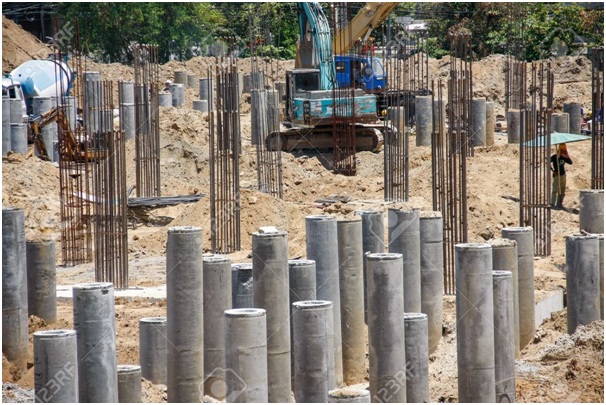
Important quality-control parameters include drilling depth, bore diameter, casing installation, reinforcement placement, grout properties, grout volume and injection pressure where applicable.
Records should be maintained for each pile, including drilling conditions and deviations from the planned installation procedure.
Grout testing can verify whether the required material properties have been achieved. Load testing provides an additional means of assessing the performance of the completed foundation system.
Continuous documentation becomes particularly valuable when ground conditions differ from those anticipated during design.
Micropiles for Urban Infrastructure
Urban infrastructure projects frequently require foundations to be installed around existing roads, buildings, utilities and operating facilities.
Micropiles can be incorporated into foundation strengthening and support systems without requiring the extensive working areas associated with some conventional piling equipment.
For transport projects, applications can include bridge strengthening, retaining structures, station modifications and foundation works near existing infrastructure.
However, utility mapping and structural monitoring are essential before drilling begins. The small diameter of a micropile does not eliminate the risk associated with drilling near underground services.
Role of Ground Investigation
The effectiveness of micropiles begins with a reliable ground investigation.
Information on soil stratification, rock quality, groundwater and existing foundations helps engineers determine the appropriate drilling and grouting approach.
For difficult sites, investigation should also consider buried obstructions and previous construction activities. Historical drawings, utility records and previous geotechnical reports can supplement new site investigations.
Where conditions are uncertain, trial piles and preliminary load tests can help establish realistic design and construction parameters.
Micropiles and Conventional Piles
The selection between micropiles and conventional piles depends on project-specific conditions.
Conventional bored or driven piles may be more efficient where there is sufficient working space and unrestricted access. Micropiles become particularly relevant when access, headroom, vibration, existing structures or difficult ground conditions constrain conventional piling.
The comparison should therefore consider the complete construction process rather than only pile diameter or individual pile cost.
Factors such as equipment mobilisation, temporary works, access preparation, installation rate, spoil handling, vibration control and the consequences of working around existing structures can all affect the overall project economics.
Future Applications
As redevelopment increasingly takes place within already developed urban areas, foundation systems capable of working around existing structures are becoming more relevant. Micropiles provide one option for projects where conventional foundation construction is constrained by access, headroom or surrounding infrastructure.
Their use is also supported by improvements in compact drilling equipment, instrumentation, grouting methods and construction monitoring.
The key to successful micropile construction remains the integration of geotechnical investigation, structural design, drilling methodology, reinforcement, grouting and quality control.
Conclusion
Micropiles provide a flexible foundation option for restricted and difficult construction sites. Their small diameter, adaptable drilling arrangements and ability to operate in limited spaces make them suitable for underpinning, foundation strengthening, new construction and infrastructure projects where conventional piling systems face practical constraints.
However, successful application depends on more than selecting a small-diameter pile. Ground conditions, structural loads, drilling methods, grout behaviour, reinforcement, groundwater, corrosion protection and testing must be considered together.
For constrained projects, a well-planned micropile system can allow foundation work to proceed while reducing the need for extensive access arrangements and limiting disturbance to surrounding structures.