
Every June, as the southwest monsoon sweeps across the country, thousands of outdoor sports courts, from school playgrounds in Delhi to academies in Kerala, turn into temporary lakes. Training sessions come to a standstill, tournaments are indefinitely postponed, and kids are deprived of much-needed training time. This annual disruption is far from an annoyance but directly undermines India’s ambitious push to build a world-class sporting ecosystem.
With schemes such as Khelo India pumping in thousands of crores of rupees in terms of infrastructure, more academies springing up, and various real estate group township schemes providing sport courts in different games, infrastructure development is in top gear. Yet, in high-rainfall zones across North, West, and South India, a major disconnect appears between high aspirations and ‘weather-proof’ reality!
Understanding the core vulnerabilities
Conventional concrete, as a foundation, as well as basic coatings, were never designed for the harsh cyclic weatherings of India’s monsoons. There’s water accumulation on the surfaces due to their relative flatness, cracking due to expansion, the humidity favoring the onset of fungal and algae growth, as well as the intense UV exposure damaging the color quickly. The grip of a surface deteriorates as it stays damp, significantly enhancing the risk of injury.
The fallout is substantial: courts can remain unplayable for weeks, training consistency suffers, maintenance costs spiral, and overall facility lifespan shortens dramatically. As thousands of new courts come up annually in schools, municipal projects, and residential complexes, failing to address these systemic weaknesses risks stalling the nation’s broader sporting goals.
Engineering true resilience
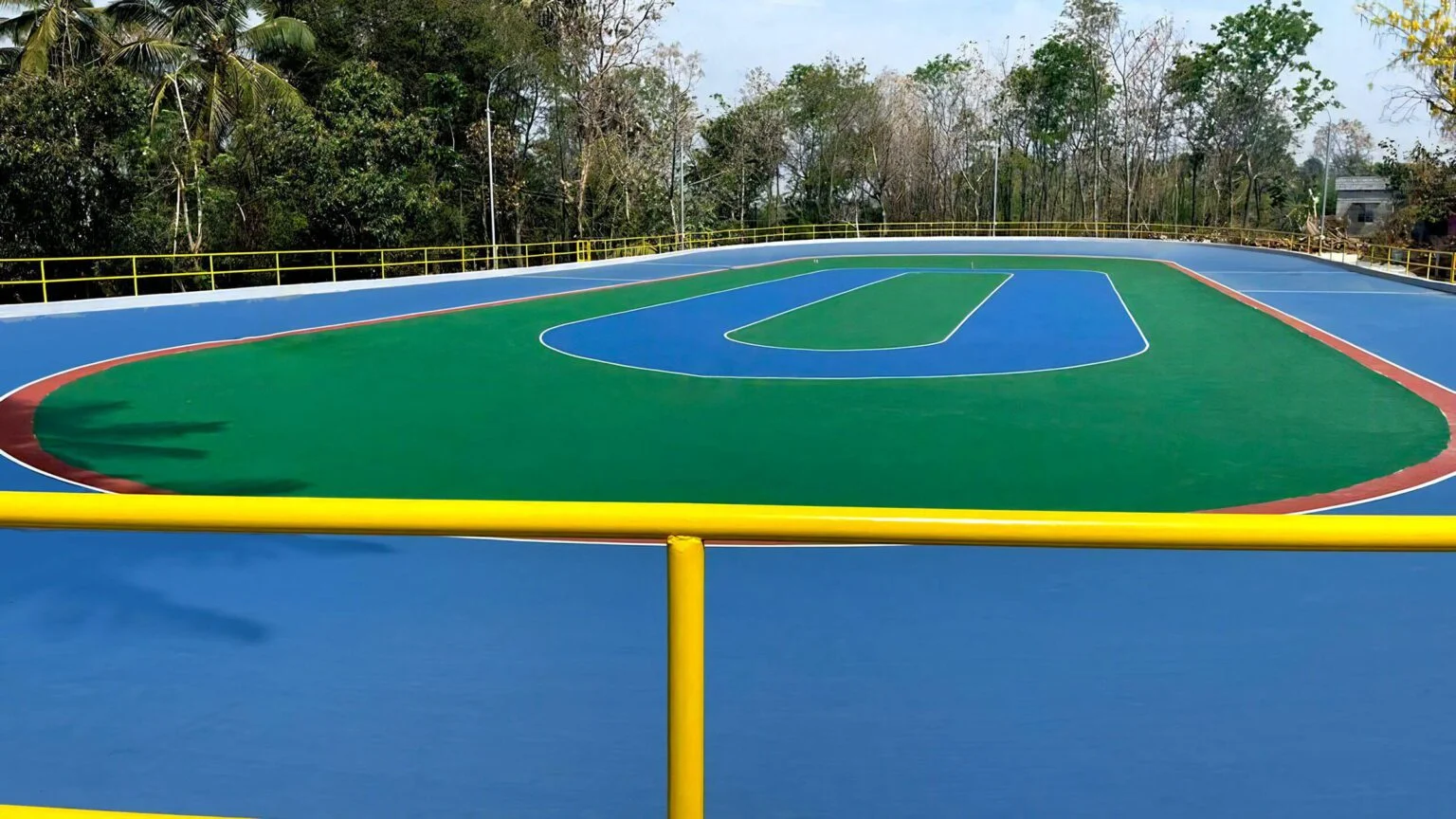
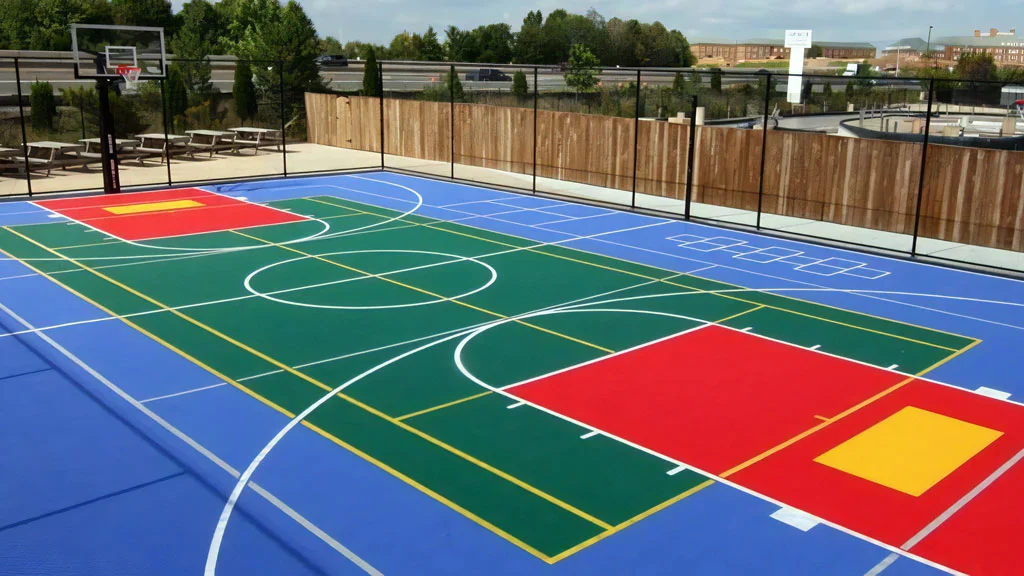
The solution lies in ITF-approved synthetic acrylic surfacing, which is particularly engineered for harsh tropical environments. These synthetic multilayer surfaces come with cushioned gel-like coatings that provide excellent shock absorption and ball rebound. At the same time, premium acrylic resins and reinforced fillers prevent the occurrence of cracks and delamination even after repeated wet-dry cycles.
UV-stabilised oxide pigments ensure long-lasting colour retention, fungicides combat mould in high-humidity environments, and permeable formulations allow rapid water drainage. They typically achieve dry, playable conditions within hours after heavy rain. The result is reliable grip on damp surfaces, lower injury potential, and uniform playing characteristics that support serious training year-round.
Scaling through specialised ecosystems
Making such systems commercially viable on a national scale is necessary but cannot be done with superior materials alone as efficient models are also necessary. Companies that specialise solely in the manufacture and supply of the requisite materials, as opposed to the product itself, maintain a high standard while working through an expansive dealer network for localised application.
These aspects enable quick logistics across the country, competitive pricing, and customization. They make resilient surfacing accessible to different categories of stakeholders, including government bodies, educational institutions, real estate developers, and individual clubs, among others. Compliance is ensured through well-trained applicators during installation, allowing thousands of projects to move forward across Tier 1, Tier 2, and emerging markets without compromising performance.
A resilient foundation for the future
As India prepares for greater global sporting success targeting the 2036 Olympics and beyond, monsoon-resilient infrastructure is no longer optional. As the sports facilities market is growing at a robust pace, policy frameworks are increasingly favouring all-weather designs by prioritising engineered, climate-specific solutions. They offer clear rewards such as dramatically reduced downtime, extended asset life, lower long-term costs, and consistent training environments
By embracing these advancements at scale, the country can finally build outdoor sports facilities that stay active 365 days a year, rain or shine – creating the durable foundation needed to nurture the next generation of Indian athletes.
About the Author
The author is the Head of Business at PaceCourt, where he leads growth and partnerships for the company’s synthetic acrylic sports flooring solutions across India. With hands-on experience in sports infrastructure and market development, he works closely with schools, academies, developers, and community stakeholders to deliver durable, performance-led outdoor courts. Deepak brings a practical, on-ground perspective on sports flooring, surface engineering, and long-term infrastructure planning, with a focus on building safe, consistent, and climate-suited sports facilities that support grassroots participation and sustained usage






