
Few machines take more punishment than the equipment working a quarry face or a construction site. Dust, vibration, sudden shock loads, extreme temperature swings: these conditions would destroy standard industrial components within weeks. Yet the gears inside excavators, crushers, draglines, and haul trucks are expected to keep turning for years, often under loads that would make an engineer wince.
Gears are, in a sense, the unglamorous heart of these machines. Nobody photographs a gear for a brochure the way they photograph a 200-ton excavator bucket tearing into rock. But without properly engineered gearing transmitting torque from engine to wheel, track, or hoist drum, none of that heavy iron moves an inch.
Why Standard Gears Fall Short in This Environment
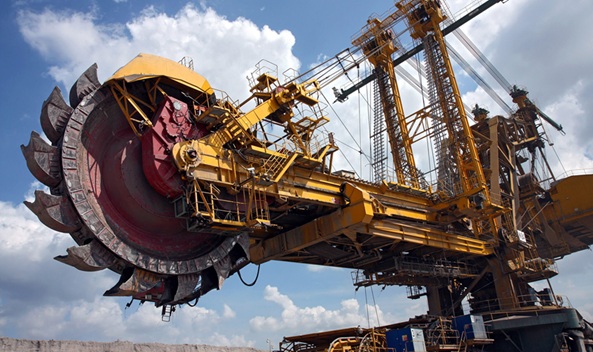
Mining and construction applications generate loads that differ sharply from typical industrial machinery. A conveyor gearbox running at a steady speed in a factory experiences predictable, repetitive stress. A gear inside a rock crusher or a bucket-wheel excavator experiences the opposite: irregular shock loading, contamination from abrasive particulate, and torque spikes that arrive without warning when the cutting edge hits an unexpectedly hard seam.
This is where off-the-shelf gearing runs into trouble. Catalog gears are designed around average conditions, not worst-case scenarios. A tooth profile that handles smooth, continuous loading just fine can crack or spall prematurely once shock loading enters the picture. Metallurgy matters here too. Case-hardened alloy steels, properly tempered and stress-relieved, resist the fatigue cracking that plagues gears subjected to repeated impact. Get the heat treatment wrong, even slightly, and a gear that should last five years might fail in five months.
Size compounds the challenge. Draglines and large haul trucks often require gears measured in feet rather than inches, with tooth loads running into the hundreds of thousands of pounds. Manufacturing gears at that scale demands equipment most machine shops simply don’t have on the floor: large-diameter hobbing machines, broaching setups capable of handling oversized bores, and gear shapers built for components that dwarf standard automotive or aerospace parts.
Precision Still Matters, Even at Massive Scale
It’s tempting to assume that bigger gears mean looser tolerances. The opposite is often true. A misaligned tooth profile on a gear the size of a dinner table generates forces large enough to shake an entire gearbox housing loose over time. Tooth grinding after hobbing or shaping corrects for the minor distortions introduced during heat treatment, bringing the profile back within the precision window the application demands.
This combination (extreme durability requirements paired with tight dimensional control) is exactly why mining and construction operators tend to work with manufacturers who specialize in custom work rather than standard catalog parts. A custom gear manufacturer with hobbing, broaching, gear shaping, and tooth grinding capability under one roof can adjust tooth geometry, material selection, and hardening processes specifically around the load profile of a given machine rather than forcing the application to compromise around a stock design. That kind of flexibility matters when a single gear failure can shut down a production line generating tens of thousands of dollars in output per hour.
Reverse Engineering: Solving the Obsolete Parts Problem
Heavy equipment often outlives the manufacturer’s ability, or willingness, to supply replacement parts. A dragline purchased in the 1990s might still be running strong, but good luck finding the original gearbox manufacturer, let alone an exact replacement gear from them. This is a common headache across the industry, and it’s one reason reverse engineering has become such a valuable service among gear manufacturers.
Reverse engineering a worn or damaged gear involves measuring the existing part precisely, often using coordinate measuring machines and tooth-profile scanning, then producing manufacturing drawings that replicate (and sometimes improve upon) the original design. Metallurgical analysis of the failed part helps determine whether the original material specification was adequate or whether an upgrade is warranted. Sometimes the smartest fix isn’t an identical replacement but a slightly tougher alloy or a revised tooth profile that addresses whatever caused the original failure in the first place.
Planning for Downtime Before It Happens
Unplanned downtime on a mining or construction site carries a cost that dwarfs the price of the gear itself. Every hour a crusher or excavator sits idle waiting on a part translates directly into lost production. This reality pushes many operators toward emergency service arrangements with their gear suppliers, along with scheduled inspection programs that catch wear patterns before they progress to catastrophic failure.
Vibration analysis, oil sampling, and visual borescope inspection during routine maintenance windows can flag a gearbox trending toward failure months before it actually breaks. Catching that trend early gives maintenance planners the option to schedule a repair or replacement during a planned outage rather than scrambling during an unplanned one. It’s the difference between a controlled, budgeted repair and a middle-of-the-night phone call to whoever answers first.
The Long View on Gear Selection
Choosing the right gearing for mining and construction equipment isn’t just a procurement decision. It’s an engineering decision with consequences that ripple through years of operation. The upfront cost of a properly engineered custom gear, built from the right alloy, heat treated correctly, and ground to precise tolerances, almost always pencils out cheaper than the cycle of premature failures and emergency replacements that follow a cut-rate substitute. In an industry where equipment uptime translates directly into revenue, that math is hard to argue with.






