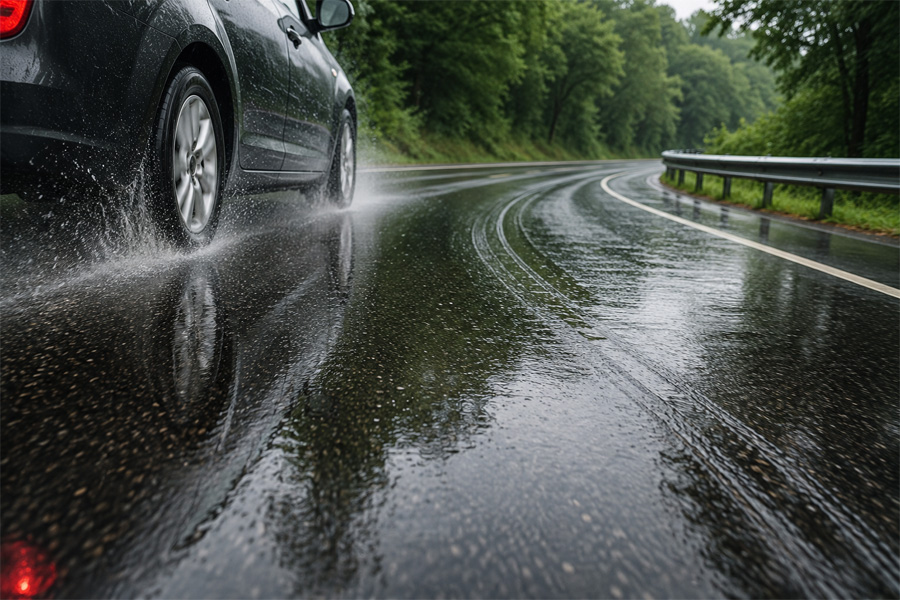
Road infrastructure is designed to withstand years of traffic loading and changing weather conditions. However, roads are constantly exposed to environmental stresses, heavy vehicle movement, temperature variations, and water infiltration. One form of pavement distress that has gained attention in recent years is road surface slippage. Unlike structural pavement failures that affect the foundation of a road, surface slippage primarily involves the movement or displacement of the asphalt surface layer over the layer beneath it.
Surface slippage can develop suddenly, especially after heavy rainfall or under repeated braking and acceleration by vehicles. Understanding the causes, identifying early warning signs, and implementing preventive measures are essential for highway authorities, contractors, and pavement engineers.
What is Road Surface Slippage?
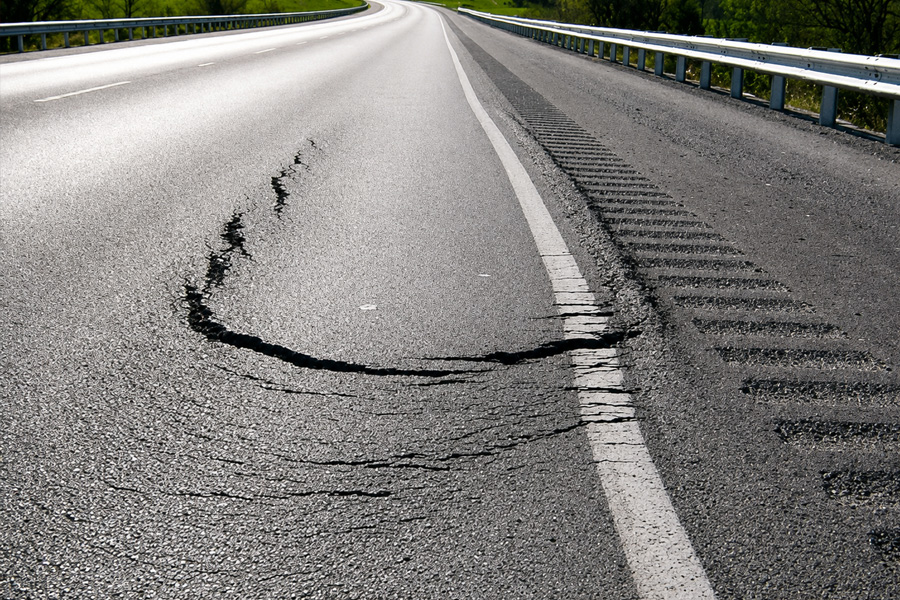
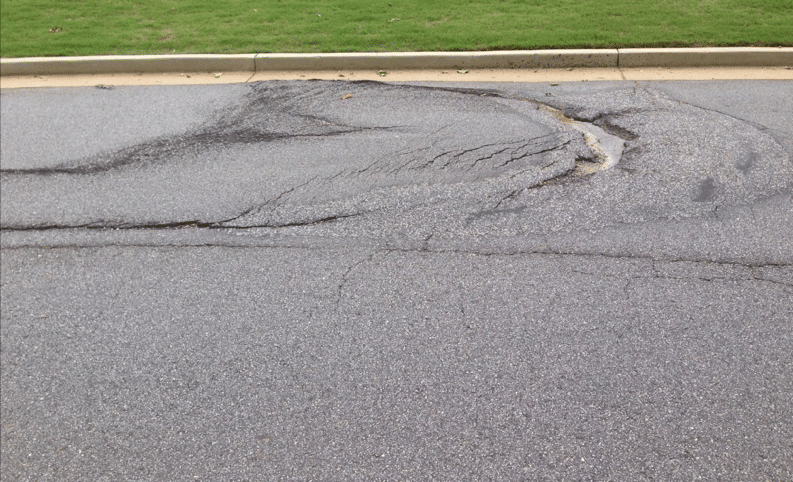
Road surface slippage is the movement of the upper asphalt layer relative to the underlying pavement layer due to inadequate bonding between them. Instead of remaining firmly attached, the surface course shifts under traffic loads, resulting in visible deformations such as wrinkles, waves, bulges, or crescent-shaped cracks.
Unlike potholes, which result from material loss, or rutting, which develops due to permanent deformation under wheel loads, surface slippage occurs because the asphalt layers no longer act as a single integrated pavement.
The problem typically affects flexible pavements constructed using asphalt or bituminous materials and is commonly observed at:
- Road intersections
- Traffic signals
- Bus stops
- Toll plazas
- Roundabouts
- Sharp curves
- Steep gradients
- Highway acceleration and deceleration lanes
These locations experience frequent braking, turning, or acceleration, generating high horizontal shear forces that can displace poorly bonded asphalt layers.
How Surface Slippage Develops?
Flexible pavements consist of multiple layers, each serving a specific structural function. These generally include:
- Surface course (wearing course)
- Binder course
- Base course
- Sub-base
- Compacted subgrade
A tack coat is applied between asphalt layers to ensure proper adhesion. This thin bituminous layer enables the pavement courses to behave as a monolithic structure.
Surface slippage occurs when this bond is weakened or fails completely. Under repeated traffic loading, especially from heavy vehicles, the upper layer gradually shifts in the direction of wheel movement. Over time, visible pavement distortions appear.
The failure usually begins at the interface between asphalt layers rather than within the asphalt itself.

Common Causes of Road Surface Slippage
Poor Tack Coat Application
The tack coat plays a crucial role in bonding successive asphalt layers. Inadequate application is among the most common causes of slippage.
Problems include:
- Insufficient tack coat quantity
- Uneven spraying
- Incorrect application temperature
- Delayed paving after spraying
- Contamination before overlay placement
Without adequate bonding, the pavement layers can move independently.
Dust and Surface Contamination
Before placing a new asphalt overlay, the existing pavement must be thoroughly cleaned.
Contaminants such as:
- Dust
- Loose aggregates
- Mud
- Oil
- Construction debris
- Moisture
prevent proper adhesion between layers and create weak interfaces that encourage slippage.
Moisture Infiltration
Water is one of the most damaging factors affecting asphalt pavements.
Moisture may enter through:
- Surface cracks
- Open joints
- Edge failures
- Inadequate drainage
- Damaged shoulders
Water reduces adhesion between bitumen and aggregates while weakening the tack coat bond.
Heavy monsoon rainfall often accelerates this process.
Excessive Horizontal Traffic Forces
Unlike vertical wheel loads that compress pavement layers, braking and acceleration generate horizontal shear stresses.
These stresses are particularly high at:
- Signalized intersections
- Bus terminals
- Freight corridors
- Mountain roads
- Industrial access roads
Repeated shear loading gradually overcomes weak interlayer bonds.
Improper Asphalt Mix Design
Asphalt mixtures with excessive binder content or poor aggregate interlock may become unstable under traffic.
Common issues include:
- High asphalt content
- Rounded aggregates
- Poor gradation
- Low internal friction
- Inadequate compaction characteristics
Such mixtures deform more easily under shear forces.
Inadequate Compaction
Proper compaction increases asphalt density and improves layer stability.
Poor compaction leaves excessive air voids that:
- Reduce strength
- Increase permeability
- Encourage moisture ingress
- Lower interlayer bonding
Insufficient rolling during construction often contributes to premature slippage.
Temperature Effects
High temperatures soften bitumen, reducing pavement stiffness.
During hot weather:
- Asphalt becomes more flexible.
- Resistance to shear decreases.
- Heavy traffic causes greater surface movement.
Temperature effects become more severe when combined with poor construction practices.
Heavy Axle Loads
Modern highways carry increasingly heavy commercial vehicles.
Repeated loading from:
- Multi-axle trucks
- Container transporters
- Mining vehicles
- Construction equipment
accelerates pavement deterioration, especially where interlayer bonding is already weak.
Typical Signs of Surface Slippage
Early identification allows timely maintenance before larger failures develop.
Common indicators include:
- Crescent-shaped cracks
- Surface wrinkles
- Asphalt waves
- Bulging pavement
- Localized uplift
- Surface displacement
- Asphalt shoving
- Small ridges across traffic lanes
These defects are usually confined to the wearing course.
Difference Between Surface Slippage and Other Pavement Distresses
Understanding the distinction between different pavement failures helps in selecting appropriate repair methods.
| Distress Type | Primary Cause | Typical Appearance |
| Surface slippage | Poor interlayer bond | Crescent cracks, wrinkles |
| Rutting | Permanent deformation | Wheel-path depressions |
| Potholes | Material loss | Circular holes |
| Fatigue cracking | Repeated structural loading | Alligator cracking |
| Bleeding | Excess bitumen | Shiny asphalt surface |
| Ravelling | Aggregate loss | Rough surface texture |
Correct diagnosis prevents unnecessary reconstruction.
Safety Implications
Although surface slippage may initially appear cosmetic, it presents several safety concerns.
Reduced Vehicle Stability
Surface irregularities affect tire contact, particularly for motorcycles and small vehicles.
Increased Skidding Risk
Wrinkled pavement reduces traction during wet conditions.
Driver Discomfort
Uneven surfaces create vibrations that reduce ride quality.
Water Ponding
Surface deformation encourages localized water accumulation, increasing hydroplaning risk.
Accelerated Pavement Damage
Once slippage begins, additional cracking permits greater water infiltration, leading to more extensive deterioration.

Inspection and Assessment
Modern pavement evaluation combines visual inspections with engineering investigations.
Visual Surveys
Engineers examine:
- Crack patterns
- Surface displacement
- Wrinkles
- Deformation extent
Core Sampling
Pavement cores help determine:
- Layer thickness
- Bond quality
- Asphalt density
- Moisture penetration
Bond Strength Testing
Interlayer shear testing evaluates the effectiveness of the tack coat and determines whether adequate bonding exists.
Ground Penetrating Radar
Ground Penetrating Radar (GPR) identifies:
- Layer thickness
- Moisture pockets
- Delamination zones
without damaging the pavement.
Falling Weight Deflectometer
This equipment evaluates the structural capacity of the pavement and distinguishes between surface problems and deeper structural failures.
Repair Methods
The repair strategy depends on the severity and extent of slippage.
Localized Milling and Replacement
Small affected areas can be repaired by:
- Milling the damaged asphalt
- Cleaning the exposed surface
- Applying fresh tack coat
- Placing new asphalt
- Proper compaction
This is the most common repair approach.
Full Surface Replacement
Where slippage affects large sections, the entire wearing course may require replacement.
This ensures consistent pavement performance and restores ride quality.
Reconstruction
If investigations reveal structural weakness beneath the surface, reconstruction of multiple pavement layers becomes necessary.

Preventive Measures
Preventing surface slippage begins during pavement construction.
Proper Surface Preparation
Before overlay placement:
- Remove dust
- Eliminate loose materials
- Clean oil contamination
- Repair cracks
- Ensure dry pavement
Correct Tack Coat Application
Engineers should ensure:
- Uniform spraying
- Correct application rate
- Appropriate temperature
- Full curing
- Protection from contamination
Quality Asphalt Mix Design
Stable asphalt mixtures should provide:
- Good aggregate interlock
- Proper binder content
- High shear resistance
- Adequate workability
Effective Compaction
Proper rolling should achieve:
- Target density
- Low air voids
- Uniform compaction
- Strong layer integrity
Improved Drainage
Good drainage minimizes moisture damage by preventing water accumulation on or within the pavement structure.
Construction Quality Control
Routine quality checks should include:
- Tack coat coverage
- Asphalt temperature
- Layer thickness
- Density testing
- Surface smoothness
- Material quality
The Role of Maintenance
Routine maintenance extends pavement service life and reduces repair costs.
Preventive maintenance activities include:
- Crack sealing
- Surface drainage improvements
- Shoulder repairs
- Timely resurfacing
- Pavement condition monitoring
Addressing minor defects early prevents moisture intrusion and preserves interlayer bonding.
Equipment Used for Detecting and Repairing Road Surface Slippage
- Road Surface Inspection Vehicles – Capture pavement images and identify cracks, wrinkles, and surface deformation.
- Ground Penetrating Radar (GPR) – Detects layer thickness, moisture intrusion, voids, and delamination without damaging the pavement.
- Falling Weight Deflectometer (FWD) – Evaluates pavement structural capacity by measuring deflection under simulated wheel loads.
- Pavement Core Drilling Machine – Extracts asphalt cores to assess layer thickness, density, and interlayer bonding.
- Dynamic Cone Penetrometer (DCP) – Measures the strength of the pavement foundation and subgrade.
- Infrared Thermography Camera – Identifies temperature variations, asphalt segregation, and compaction issues.
- Asphalt Milling Machine (Cold Planer) – Removes damaged asphalt layers prior to resurfacing.
- Bitumen Pressure Distributor (Tack Coat Sprayer) – Applies a uniform tack coat to ensure strong bonding between asphalt layers.
- Asphalt Paver – Places asphalt evenly to achieve the required thickness and surface profile.
- Vibratory Tandem Roller – Compacts asphalt to improve density and pavement stability.
- Pneumatic Tyre Roller – Provides kneading compaction for better asphalt consolidation and surface sealing.
- Static Steel Drum Roller – Performs final compaction and smoothens the pavement surface.
- Intelligent Compaction Roller – Monitors compaction quality in real time using GPS and onboard sensors.
- Unmanned Aerial Vehicles (Drones) – Conduct rapid aerial inspections and monitor pavement condition over large areas.
- Laser Profilometer – Measures pavement smoothness, rutting, and surface profile with high accuracy.
- Marshall Stability Testing Machine – Evaluates the strength and stability of asphalt mixtures.
- Wheel Tracking Machine – Assesses asphalt resistance to rutting and permanent deformation.
- Interlayer Shear Testing Equipment – Measures the bonding strength between asphalt pavement layers.
- Asphalt Binder Testing Equipment – Determines the performance characteristics of bitumen under different conditions.
Climate Change and Surface Slippage
Changing climate patterns are placing greater demands on road infrastructure. More frequent intense rainfall events increase the risk of water infiltration, while prolonged heatwaves soften asphalt binders and reduce resistance to shear forces. In regions experiencing alternating heavy rain and high temperatures, pavements face combined moisture and thermal stresses that accelerate the likelihood of surface slippage. Road agencies are therefore adopting more resilient pavement materials, improving drainage design, and updating maintenance strategies to cope with these evolving conditions.
Conclusion
Road surface slippage is a pavement distress caused primarily by the loss of bond between asphalt layers rather than by structural failure of the entire roadway. Poor tack coat application, moisture infiltration, inadequate construction practices, excessive traffic shear forces, and temperature variations are among its leading causes. Although often localized, untreated slippage can reduce ride quality, compromise safety, and accelerate broader pavement deterioration.
Effective prevention relies on sound engineering practices, including meticulous surface preparation, correct tack coat application, quality asphalt mix design, proper compaction, and efficient drainage. Regular inspections and timely maintenance help identify early signs of distress before they evolve into larger failures. As traffic volumes increase and climate conditions become more demanding, integrating advanced materials, intelligent construction methods, and digital monitoring technologies will be essential to delivering longer-lasting, safer, and more resilient road networks.