
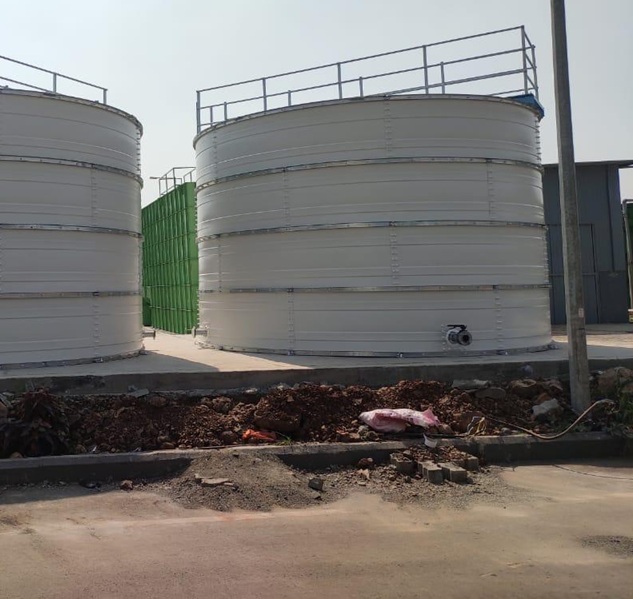
It is essential to precisely calculate wastewater storage requirements as a basic step toward maintaining a sanitary, functional new-age construction site. Large-scale projects typically operate in remote areas without direct access to local drainage systems or municipal sewer lines.
If there is insufficient containment, it can lead to messy overflows, disrupt work schedules, and pose severe environmental hazards. Project managers can assess daily water-use patterns to ensure the containment system remains reliable throughout the building process.
What are some of the crucial calculation factors?
The ideal tank size can be determined by calculating the total number of shifts. It includes the average number of employees working and how often each of them can work a full shift in a day. Today, leading names like Western Site Services offer many tanks in low-profile models that can be used beneath office trailer units or portable sanitation units.
The number and type of facilities to be connected to the system are important considerations. On average, a worker in a fast-paced environment typically produces several gallons of waste in 8 hours.
Daily waste volumes and use patterns
A thorough knowledge of your workers’ use of on-site hygiene and break room facilities is necessary for estimating volume. Your crew will have more water for hydration. They can also use it to wash their hands after exposure to heavy industrial dust, given the high-volume nature of the labor. Hence, you’ll need to account for the additional water used for specific tasks, such as cleaning equipment and mixing small amounts of concrete. Also, be sure to consider peak usage periods to avoid unexpected increases in pressure on the storage system.
Advantages of high-end storage units
When you invest in large holding tanks, you can gain significant operational benefits that minimize long-term site management costs and save time. Other benefits include:
- Fewer pump visits can reduce the percentage of heavy truck traffic moving through the congested construction site entry zones.
- A heightened capacity provides a security buffer when there are unexpected delays in expert waste servicing or removal services.
- The larger tanks enable easier placement of transient office trailers throughout the multi-level, sprawling site.
Finally, high-end systems ensure your company complies with the local health department’s guidelines for commercial wastewater disposal and containment.
Conclusion: Tank maintenance and service interval logistics
Therefore, a large tank will work effectively, provided you develop a professional, consistent, and reliable waste pumping schedule. If you want your service provider to have access to your tank, you must also work with them so that any critical device does not block their access. You should check the level of liquids in your tank regularly to identify any unusual increases in use that may indicate a leak or malfunctioning equipment.
By taking care of your tank on time, you can prevent problems. You can prevent the accumulation of solid waste. Additionally, it will also ensure that your internal sensors continue to function correctly. Today, there are leading service providers who offer holding tanks that you can check out and choose as per your requirement and budget capacity.




