
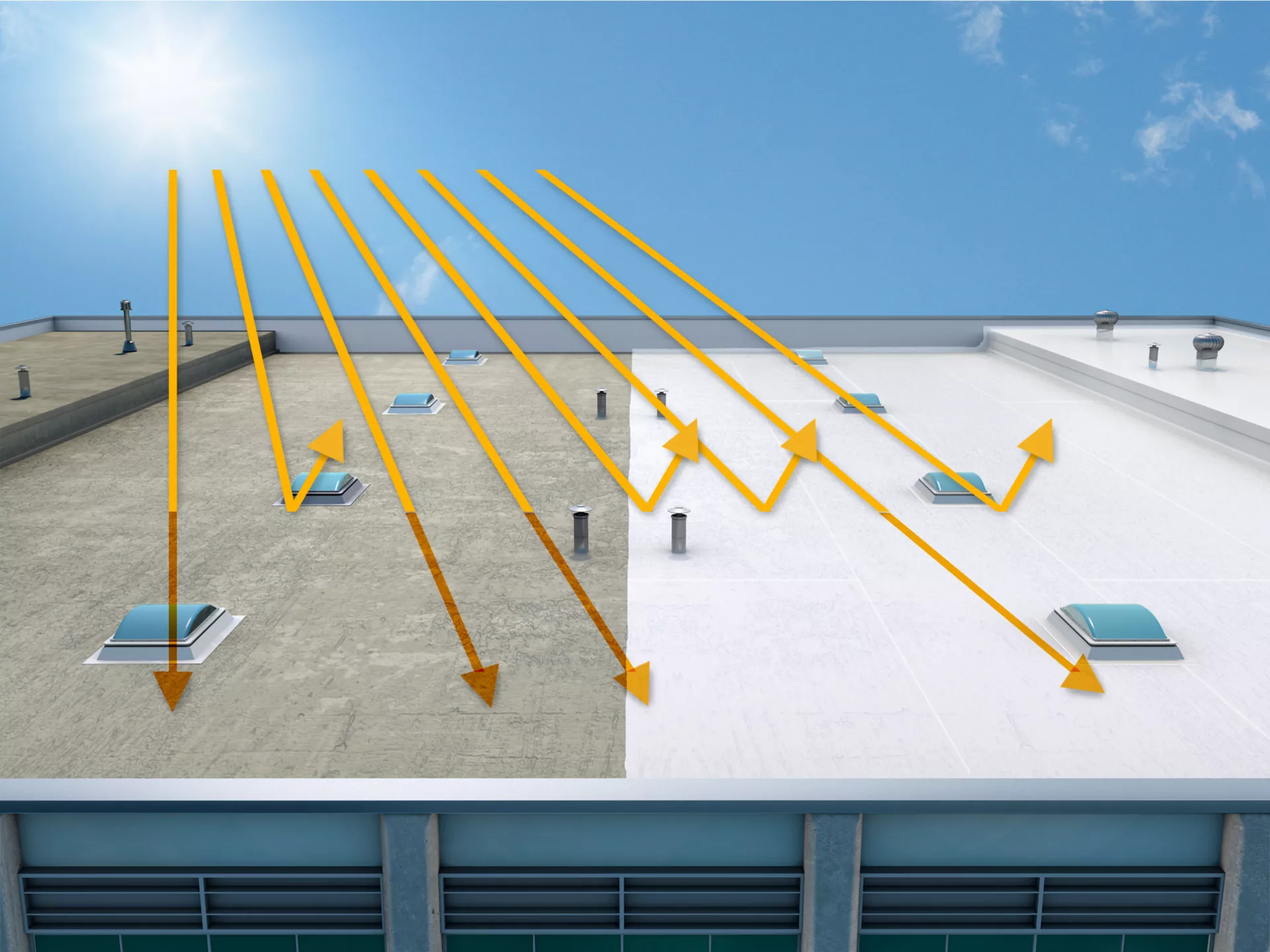
Reflective roofing materials are engineered to minimize solar heat absorption by reflecting a significant portion of sunlight away from building surfaces. These roofs use high-albedo coatings, membranes, and tiles designed to reduce heat gain, lower cooling loads, and enhance thermal comfort. In hot climates, especially regions with intense solar exposure, reflective roofing systems contribute significantly to energy efficiency, HVAC cost reduction, and improved indoor temperatures.
Applications of Reflective Roofing Materials
- Residential buildings – Ideal for sloped or flat roofs to keep homes cooler and reduce air-conditioning needs during peak summer months.
- Commercial complexes – Commonly used on large flat roofs to improve thermal performance, lower operational costs, and extend membrane lifespan.
- Industrial warehouses – Reduce internal heat build-up, ensuring safer working conditions and lowering equipment cooling costs.
- Educational buildings – Maintain stable indoor temperatures in classrooms, reducing HVAC energy consumption.
- Hospitals and institutional facilities – Support controlled indoor environments where comfort and hygiene are critical.
- Retail malls and shopping centres – Enhance shopper comfort and reduce energy overheads in large enclosed spaces.
- High-rise towers – Reflective coatings help manage heat load on exposed rooftops, reducing mechanical cooling demands.
- Public infrastructure buildings – Offer durability and long-term thermal benefits for transport hubs, community centres, and government structures.
- Pre-engineered and prefabricated buildings – Provide lightweight, fast-install reflective solutions for modern modular constructions.
Advantages of Reflective Roofing Materials
- Reduces roof surface temperatures by up to 30–40°C during peak heat.
- Lowers annual cooling energy use by 11–27% depending on climate and building type.
- Mitigates urban heat island effect by reducing rooftop heat absorption
- Enhances indoor comfort by maintaining cooler internal temperatures
- Extends roofing material life by reducing thermal expansion-related stress
- Provides UV resistance and protects underlying membranes from degradation
- Reduces HVAC operating load, minimizing long-term maintenance
- Helps buildings comply with green building codes such as LEED and IGBC
- Decreases carbon footprint by reducing electricity consumption
- Enhances fire and weather resistance when using advanced cool roof coatings
- Suitable for both new constructions and retrofit roofing systems
- Offers eco-friendly formulations with low VOC reflective coatings
- Improves overall building envelope performance
Types of Reflective Roofing Materials
Cool Roof Coatings
These are reflective acrylic, silicone, or elastomeric coatings applied directly to roof surfaces to improve solar reflectance. They reduce surface temperatures and protect against UV, moisture, and dust accumulation. Cool roof coatings are commonly used for concrete roofs, metal sheets, and bitumen membranes.
Reflective Metal Roofs
Metal roofs with factory-applied reflective pigments offer excellent thermal emissivity. Their high durability and recyclability make them suitable for industrial and commercial applications. Reflective metal sheets maintain performance even in extreme heat.
White or High-Albedo Membranes
Single-ply PVC and TPO membranes are designed with high reflectance and emissivity values, making them effective for large flat roofs. They offer strong waterproofing, chemical resistance, and quick installation benefits.
Reflective Clay and Concrete Tiles
Clay and cement tiles coated with reflective pigments reduce heat gain in sloped roofs. These systems combine aesthetics with thermal efficiency and are ideal for residential buildings.
Bituminous Cool Roof Sheets
Modified bitumen sheets with reflective surface layers provide flexibility, waterproofing, and heat-reflective properties for commercial rooftops.
Solar-Reflective Asphalt Shingles
These shingles use specialized granules engineered to reflect infrared radiation, making them suitable for residential applications.
Green Roof with Reflective Layers
While primarily designed for insulation, green roofs integrated with reflective base layers significantly reduce heat transfer into the building.
Application Methods for Reflective Roofing Systems
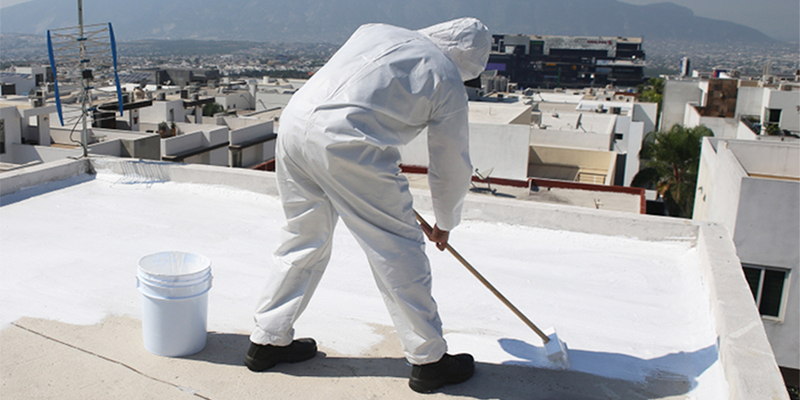
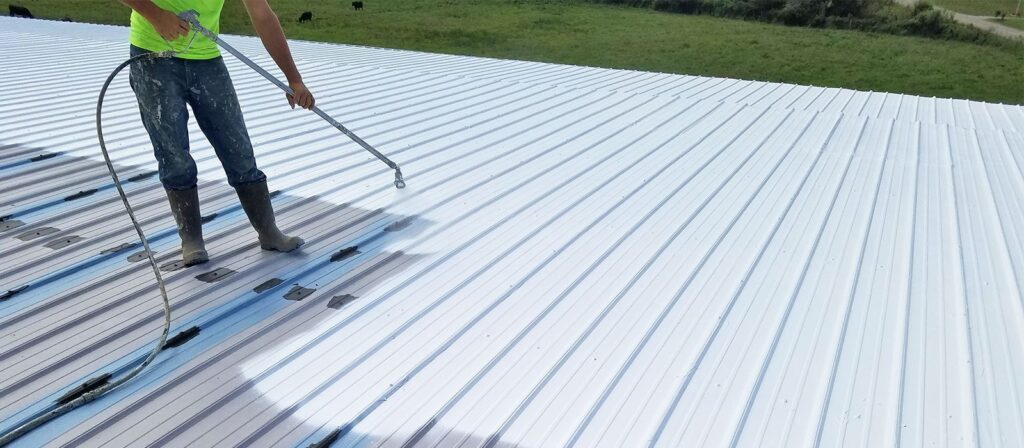
- Roller or Spray Coating Application – Used for cool roof coatings and elastomeric layers
- Mechanical Fastening – Essential for large membrane sheets like TPO and PVC
- Torch-applied Systems – Ideal for reflective bitumen membranes
- Adhesive Bonding – Used for tiles, shingles, and prefabricated reflective panels
- Modular Panel Installation – Common for metal reflective sheets and prefab systems
Conclusion
Reflective roofing materials play a crucial role in reducing heat gain, enhancing energy efficiency, and improving occupant comfort—especially in hot climates. With the combined benefits of durability, cost savings, and environmental performance, reflective roofs are increasingly integral to sustainable construction practices. Whether in residential, commercial, or industrial buildings, these systems deliver measurable performance improvements and support long-term climate adaptation strategies.
REFERENCES:
https://www.energy.gov/, https://www.epa.gov/






