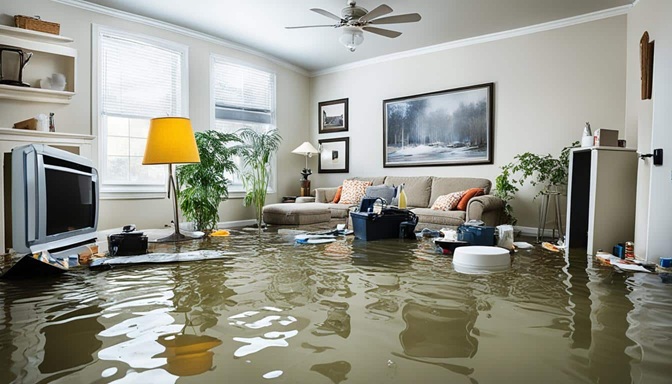
Immediate Safety Steps
When you face sudden water damage, first turn off the main water supply and electricity in affected areas. Wear gloves and boots for your safety. Check back to learn about other important steps you can take.
Shut off the main water source.
Act fast to limit water damage. Cut the flow at the source.
- Locate the main shutoff valve, usually by the water meter or where the main line enters the house.
- Turn the valve clockwise until it stops to stop water flow.
- Shut off power to flooded rooms to reduce electrocution risk.
- Open faucets and drain pipes to release trapped water and lower pressure.
- Call a licensed plumber if the valve leaks or feels stuck, or if you face major plumbing failure.
- Document the exact shutoff time and take photos for homeowners insurance and filing a claim.
- Notify others in the home so no one runs water or uses appliances during the shutdown.
Turn off electricity in affected areas.
Cut power to wet rooms right away. Call an electrician if you are unsure about the panel.
For effective recovery, many homeowners seek professional water damage restoration in New York.
- Turn off the main breaker for affected circuits to stop current flow and reduce fire risk.
- Shut individual circuit breakers if you can reach the box safely and isolate only the wet areas.
- Keep your feet dry and avoid standing in water while touching switches to lower shock risk.
- Put on insulated gloves and nonconductive boots before handling any electrical equipment for your safety.
- Record breaker positions and take photos to support homeowners insurance, filing a claim, and damage assessment.
Then document the damage for insurance claims and restoration planning.
Wear protective gear, such as gloves and boots.
Put on gloves and boots before you enter wet areas. Use heavy rubber gloves and waterproof boots for safety.
- Choose gloves rated for water and chemical exposure, such as nitrile or neoprene, to protect your skin from contaminated flood water and cleaning agents.
- Select boots with non-slip soles and at least ankle height to keep feet dry and reduce the risk of falls on wet floors during cleanup.
- Wear a washable long-sleeve shirt and pants to limit skin contact with dirty water, mold spores, and sewage that can cause illness.
- Add eye protection, such as safety goggles, to shield eyes from splashes during water restoration and moisture removal tasks.
- Use a respirator rated N95 or higher when you expect mold or heavy dust, to lower inhalation risk during mold remediation and demolition.
- Put on disposable coveralls or washable work clothes to prevent damaged items from contaminating your everyday wardrobe while you perform cleanup.
- Carry a flashlight and wear a headlamp to keep hands free while you inspect damage in dark, flooded rooms or near tripped breakers.
- Remove jewelry and loose accessories so they do not trap water, raise contamination risk, or get lost during emergency services and cleanup.
Document the Damage
Take clear photos and videos of all affected areas. Make a list of damaged items for your records and insurance claim.
Take photos and videos of the affected areas.
Document damage as soon as the scene is safe. Use clear photos and steady video to prove the loss.
- Shoot wide shots of each room to show the full scope of water damage and flooding, including walls, floors, and ceilings.
- Capture close-ups of damaged items, like furniture, appliances, and personal property, to support your insurance claim.
- Record the water line or stain marks on walls with a timestamp to show how high the water rose during the incident.
- Film running meters, like the water meter or sump pump, and any visible plumbing leaks for use in damage assessment.
- Photograph serial numbers, model tags, and receipts for major items to help with replacement estimates and coverage.
- Narrate brief video clips that state the date, time, and room name to create clear evidence for filing a claim.
- Back up all files to cloud storage and to a separate hard drive so you keep copies for the insurance provider and for your records.
- Label each photo and video with a brief note, such as room, item name, and damage type, to speed up the claims process.
- Send initial documentation to your homeowners insurance agent as soon as possible and keep proof of the transmission.
- Preserve originals of damaged items when safe, and photograph any repairs or cleanup receipts to support restoration and mold remediation claims.
Create an inventory list of damaged items.
Make a list of items that got damaged. This helps with your insurance claim and cleanup process.
- Start by listing all affected furniture. Write down chairs, tables, or sofas that were harmed.
- Include personal items like clothes, shoes, and electronics. These may also be impacted by water damage.
- Don’t forget appliances such as refrigerators, microwaves, or washers. List anything that may need repair or replacement.
- Record the condition of each item. Note if it is ruined, repairable, or just needs cleaning.
- Take clear photos of each item you listed. These images will support your claim with your insurance provider.
- Make copies of your inventory list for yourself and your insurance company. Keeping backups ensures you have all necessary documents.
Contact your insurance provider promptly.
Contact your insurance provider as soon as possible. They can guide you through the claims process for water damage. Have details ready, such as when the damage occurred and a list of damaged items.
Taking clear photos will help support your claim. Be honest about what happened to avoid issues with coverage later.
Filing a claim quickly gives you better chances for approval. Insurance may cover repairs, cleanup costs, and even mold remediation if it is included in your policy. Keep records of all conversations with the insurer.
This information may be helpful if there are disputes later on about your claim or coverage limits.
Mitigation and Cleanup
Mitigation and cleanup are crucial after water damage. Start by removing standing water as quickly as possible to prevent further harm.
Remove standing water with mops or a wet/dry vacuum.
Water can cause a lot of damage in your home. Acting fast helps reduce risks.
- Start by using mops to soak up smaller amounts of standing water. This step is simple and requires minimal equipment.
- A wet/dry vacuum is useful for larger areas. It quickly removes more water and speeds up the cleanup process.
- Work in sections, focusing on the worst-hit spots first. Clear one area before moving to the next to make the job easier.
- Check that you have a steady power source for your vacuum if it uses electricity. Safety should always come first when dealing with water damage.
- Dispose of any soggy materials, like rugs or cardboard boxes, responsibly. Leaving them can lead to more issues later, such as mold growth.
- Dry out remaining moisture after removing water. Use fans and dehumidifiers to speed up the drying process effectively.
- Keep an eye on damp areas for a few days after cleanup. This vigilance helps catch any signs of mold or further damage early.
Move furniture and place protective materials under their legs.
Moving furniture is key to protecting your belongings from water damage. Placing protective materials under their legs can help prevent further harm.
- Lift furniture carefully to avoid injury. This keeps you safe while moving heavy items.
- Shift couches, tables, and chairs to a dry area. This helps safeguard them from exposure to moisture.
- Use plastic sheeting or foam pads under the legs of furniture. These materials act as a barrier against water.
- Consider using wood blocks or bricks for added support. They create space between the legs and wet floors.
- Ensure that all furniture is elevated off the ground properly. This can reduce damage and deterioration from flooding.
- Check for any items that need immediate drying or cleaning in your home repairs plan. Make sure to address them quickly for better results.
- Keep an eye on anything that might still be in contact with water after moving furniture. Prompt action can help prevent mold growth.
Taking these steps helps with cleanup and protects what you own during this tough time with unexpected water damage situations.
Use fans and dehumidifiers to dry the area quickly.
Fans and dehumidifiers help dry wet areas fast. Place fans around the room to circulate air. This helps move moisture out of your home quickly. Use a dehumidifier to pull extra water from the air.
Set it up in a central spot for best results.
Drying the area reduces mold growth chances. Mold can start within 24 to 48 hours after water damage occurs. Keeping the space dry is crucial for preventing deterioration of your belongings and structure.
Check on these machines every few hours to ensure they are running properly and empty any collected water as needed.
Work With Professionals
4. Work With Professionals: Get help from experts if the damage is serious. They know how to fix water problems and prevent mold. Don’t wait too long to call for help; acting fast can save you money and stress.
Learn more about choosing the right team for your needs.
Hire a water damage restoration company for severe cases.
Hire a water damage restoration company for severe cases. These experts know how to handle serious flooding and extensive damage. They work fast to remove water and prevent mold growth.
Their tools help dry your home quickly. This can save you money in repairs later on.
Don’t try to fix everything yourself if the situation is too big or dangerous. Professionals assess the damage thoroughly before starting cleanup. You can rely on their experience with insurance claims, too.
They ensure that all necessary steps are followed properly, making it easier for you during this stressful time. Next comes ensuring proper documentation of the damage done to your home.
Consult experts for mold prevention and remediation.
Mold can grow quickly after water damage. It thrives in damp areas. Consulting experts helps prevent mold problems before they start. Professionals know how to assess the situation properly and can offer solutions customized to your home.
They use specialized tools for mold testing and removal. This ensures that all mold is found and eliminated safely. Experts also provide advice on keeping your home dry, reducing future risks of mold growth.
Following their guidance is crucial for a safe living environment, especially after flooding or other water issues in your home.
Conclusion
Water damage can happen fast. Follow the steps in this guide to stay safe and protect your home. Act quickly to clean up and document the damage. Don’t hesitate to reach out for professional help if needed.
Taking these actions can save you time, money, and stress later on.