
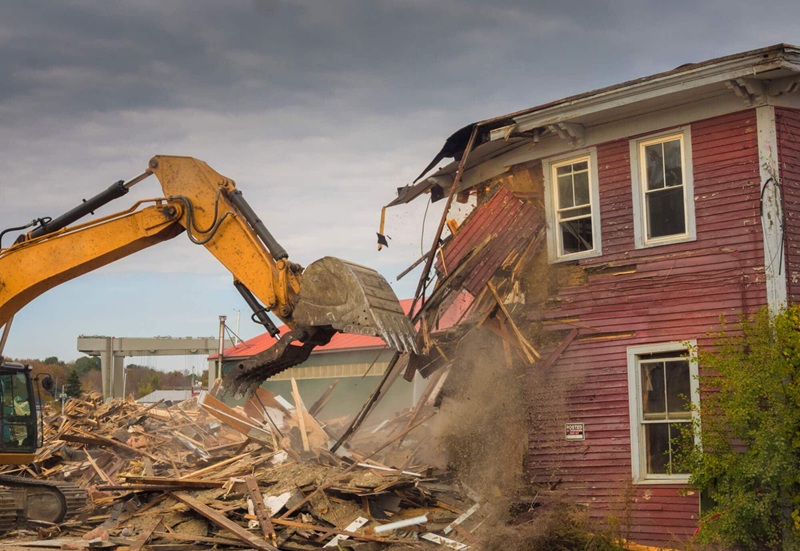
A house demolition can feel like a fast decision from the outside, but anyone who has been through it knows there is a lot to settle before machinery turns up. The building may be old, damaged, badly placed on the block, or simply no longer worth renovating. Still, pulling it down is only one part of the bigger plan.
Brisbane homes can come with their own surprises. Some blocks have tight side access. Some older houses hide asbestos in places people rarely check. Some streets make truck movement awkward, especially when neighbours park close to the kerb.
If you are planning house demolition in Brisbane, it helps to think less about the day the house comes down and more about the condition the block needs to be in afterwards. That shift makes the whole process easier to manage.
Begin With the New Build in Mind
Demolition should not be planned as a stand-alone job. It is usually the first step toward something else, such as a new home, a subdivision, a major rebuild, or preparing the land for sale.
That next step should shape the demolition plan.
A builder may need the site cleared to a certain level. A surveyor may need access after the structure is gone. Engineers may want certain areas left undisturbed until they inspect the block. If these details are missed, the homeowner may end up paying for extra clean-up or site work later.
It is worth asking early:
- Does the slab need to be removed?
- Are sheds, pools, fences, trees, or retaining walls part of the job?
- Will the driveway stay for builder access?
- Should any bricks, timber, fixtures, or pavers be saved?
- What condition should the site be left in before the next trade arrives?
This is the kind of planning that does not look exciting, but it prevents confusion. A demolition crew can do a better job when the end goal is clear.
The Paperwork Is Boring Until It Holds Everything Up
Nobody enjoys chasing service providers or waiting on approvals. Yet this is often where demolition timelines get stuck.
Electricity, gas, water, sewerage, phone lines, internet, and solar systems all need to be checked before work begins. Live services on a demolition site are not a small issue. They can stop the job immediately.
Some homeowners assume the contractor handles every disconnection. Sometimes they do help with the process, but the owner may still need to contact utility companies or confirm final disconnection dates.
The safest approach is to start this part early. Even a simple delay with one provider can push the demolition date back, which then affects the builder, the finance timeline, or the settlement plan.
A short email trail is useful here. Keep records of what has been disconnected, who confirmed it, and when. It saves those awkward last-minute calls where everyone thought someone else had handled it.
Older Houses Need a Slower Look
Many Brisbane homes were built or renovated during periods when asbestos-containing materials were common. That does not mean every old home is unsafe, but it does mean demolition should not begin with guesswork.
Asbestos may be found in wall sheeting, eaves, roofing, vinyl flooring, wet areas, fencing, insulation, or old outbuildings. The problem is not always obvious at first glance.
This is why an asbestos check matters before heavy demolition starts. Once hazardous material is disturbed, the job becomes more serious. Removal needs the right process, the right people, and proper disposal.
It is also better for the homeowner’s peace of mind. Nobody wants to start a rebuild with questions about whether the old site was cleared properly.
A careful contractor will not treat asbestos as a side note. They will want it identified and handled before the main structure comes down.
Access Can Change the Whole Job
A small block does not always mean a small demolition. Access can make the work harder than the size of the house suggests.
A narrow driveway, steep block, low trees, nearby powerlines, tight boundary, soft lawn, or busy street can affect how machinery enters and how waste leaves. Even the location of the skip or truck loading point can matter.
This is where a site visit becomes useful. Photos help, but they do not always show turning space, slope, ground firmness, or how close neighbouring fences sit to the work area.
Good access planning keeps the job cleaner. Trucks are not waiting in the wrong spot. Machinery is not forced through spaces that were never suitable. Waste can be removed in a steady order instead of piling up across the block.
It also helps protect nearby property. Fences, driveways, gardens, footpaths, and kerbs can all become part of the discussion when access is tight.
Neighbours Should Not Hear About It From the Excavator
Demolition is noisy. It creates dust, truck movement, and a few days of disruption. Even when the work is handled properly, neighbours will notice.
A simple heads-up can make the process easier for everyone. It does not need to be dramatic. A short conversation or note with the expected dates is usually enough.
This is especially helpful when:
- Trucks may need street space
- Shared fences are close to the house
- Work may begin early
- Dust control will be needed
- Neighbours have pets, children, or elderly family members at home
Good communication will not remove every complaint, but it can prevent avoidable tension. People tend to respond better when they are warned before the noise starts.
Conclusion
A full house demolition feels smoother when the homeowner sorts out the quiet details early. The big machine work is only one part of the job. The real preparation sits in service disconnections, asbestos checks, access planning, neighbour communication, and knowing how the block should be left.
When those pieces are handled properly, demolition becomes less stressful. The old house comes down, the site is cleared with purpose, and the next stage can begin without unnecessary backtracking.






