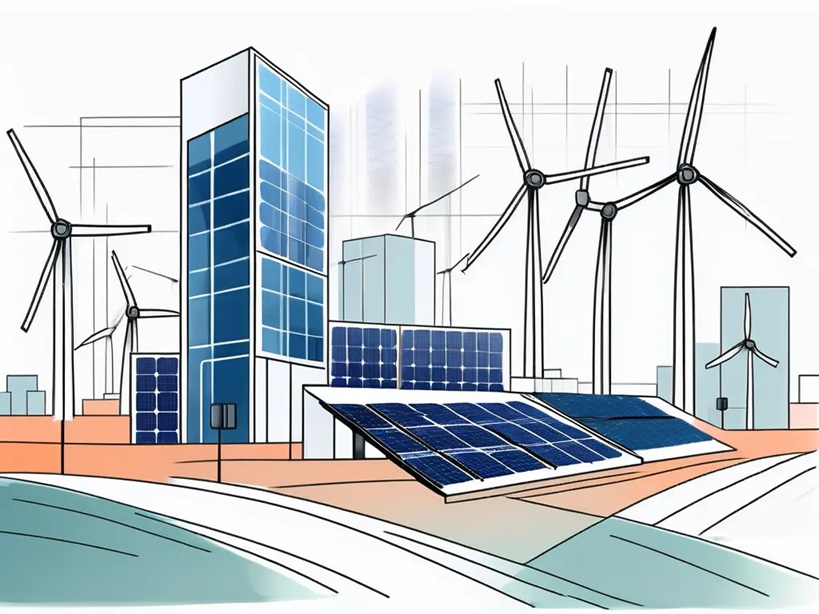
The construction industry is going through a quiet but powerful shift. What was once considered an optional “green upgrade” is now becoming a central part of how buildings are designed, funded, and valued. Renewable energy is not just influencing construction. It is redefining it.
So the question is not whether renewable energy will change modern construction projects. It is how far will that change go?
From Add-On to Foundation
For years, renewable technologies like solar panels or heat pumps were added at the end of a project. Now, they are being built into designs from the very beginning.
Developers are increasingly integrating renewable systems at the planning stage to meet regulations, improve efficiency, and avoid costly retrofits later, while also evaluating long-term solar integration strategies for modern construction projects.
This shift changes how projects are approached. Energy is no longer a commodity that a building consumes; it is one that a building generates and manages.
A Fundamental Shift in Property Value
Renewable energy is changing what makes a building valuable. It is no longer just about location, size, or design. Energy performance is becoming a key factor.
Buildings with integrated renewable systems:
- Reduce operational costs
- Improve resilience
- Increase long-term asset value
In fact, renewable energy is now seen as a defining feature of future property quality, not just an added benefit.
This means construction decisions are increasingly tied to long-term energy performance rather than short-term build costs.
Driving the Move Toward Net Zero
Construction plays a major role in global carbon emissions, which is why renewable energy is central to achieving net zero targets.
By replacing fossil fuel reliance with clean energy sources, projects can significantly reduce their carbon footprint and environmental impact.
Governments are also tightening regulations, making renewable integration less of a choice and more of a requirement.
This regulatory pressure is accelerating adoption across both residential and commercial developments.
Changing How Buildings Function
Renewable energy is not just about sustainability. It is changing how buildings operate on a daily basis.
Modern developments are increasingly:
- Generating their own electricity
- Storing energy through battery systems
- Integrating EV charging infrastructure
- Operating with greater independence from the grid
This creates buildings that are more resilient, less exposed to energy price fluctuations, and better prepared for future energy demands.
In some cases, buildings are moving toward partial or full energy autonomy.
Creating New Opportunities and Challenges
While the benefits are clear, the shift also introduces new complexities.
Construction projects must now consider:
- Energy system design alongside structural design
- Integration between technologies such as solar, storage, and heating
- Long-term maintenance and performance
There are also challenges around cost, access to renewable resources, and regional differences in infrastructure.
This means expertise is becoming more important than ever. Developers and contractors need guidance to navigate both the opportunities and the risks.
Working with specialists such as Renewables First can help ensure projects are designed with the right balance of efficiency, compliance, and long-term value.
A More Sustainable Construction Model
Renewable energy is also driving a broader shift toward sustainable construction practices.
This includes:
- Reducing waste and energy consumption
- Using eco-friendly materials
- Improving indoor air quality
- Designing for long-term efficiency
These changes create buildings that are not only better for the environment but also healthier and more cost-effective for occupants.
Sustainability is becoming a standard expectation rather than a differentiator.
The Long-Term Industry Impact
The influence of renewable energy is not limited to individual projects. It is reshaping the entire construction ecosystem.
Across the UK and globally:
- Renewable energy is becoming central to future energy systems
- Demand for sustainable buildings is increasing
- New skills and supply chains are emerging
The industry is adapting to a future where clean energy is the default, not the exception.
This transformation is likely to accelerate as technology improves and costs continue to fall.
So, Will It Change Construction Forever?
All signs point to yes.
Renewable energy is already influencing how buildings are designed, how projects are funded, and how value is measured. It is pushing the industry toward smarter, more efficient, and more sustainable practices.
The real shift is not just technological. It is cultural. Construction is moving from a model focused on immediate delivery to one focused on long-term performance.
And once that shift takes hold, it does not go back.